
Beautiful Plants For Your Interior
Beautiful Plants For Your Interior
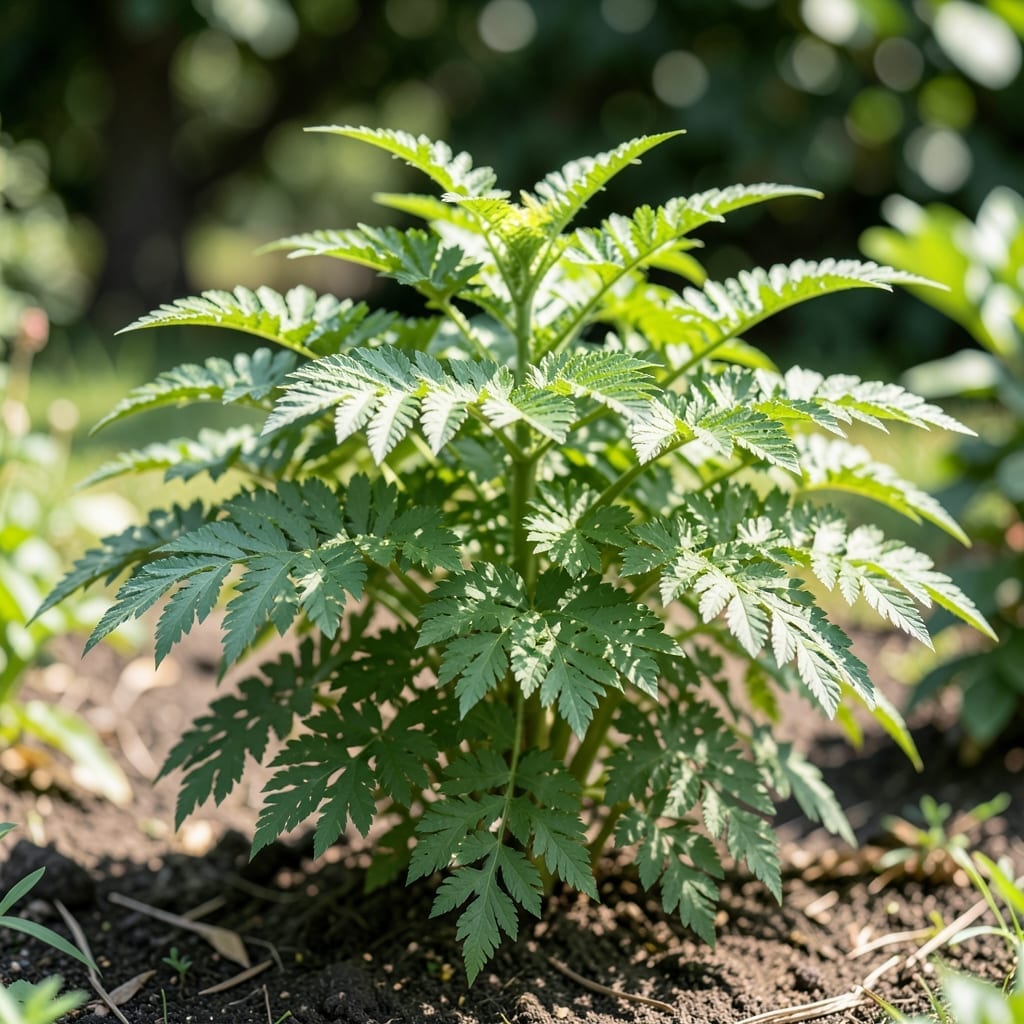
Fern leaf buckhorn transformed my shady garden spots from bare to lush. This underrated native thrives where other plants struggle, creating layers of fine, fern-like foliage that sway in the slightest breeze.
I’ve grown it in everything from dry clay to rich loam, and it adapts surprisingly well. The key is consistent moisture the first season, then it handles drought like a pro. You’ll get 3-4 feet of textured green that needs almost no maintenance.
📚 In This Guide
Here’s the technique I’ve refined to keep these elegant plants vigorous and disease-free season after season.
Choose a location with partial to full shade, as direct afternoon sun will scorch the delicate fronds. Fern leaf buckhorn thrives in areas with dappled light, such as under a canopy of taller trees or along the north side of a building. The soil should be rich in organic matter and well-draining—avoid heavy clay or compacted areas where water pools.
Test the soil pH; this plant prefers a slightly acidic to neutral range of 6.0-7.0. If your soil is too alkaline, amend it with peat moss or compost before planting. I always dig a hole twice as wide as the root ball but only as deep, ensuring the crown sits slightly above the soil line to prevent rot.
Gently remove the plant from its container and loosen the roots if they’re tightly bound. Place it in the prepared hole, backfilling with native soil mixed with 50% compost to encourage root growth. Press the soil lightly around the base to eliminate air pockets, but avoid compacting it too tightly.
Water thoroughly after planting to settle the soil and hydrate the roots. I use a soaker hose or drip irrigation to keep the foliage dry, which helps prevent fungal diseases. Mulch with 2-3 inches of organic matter like shredded bark to retain moisture and suppress weeds, but keep the mulch a few inches away from the crown.
Fern leaf buckhorn requires consistently moist but not waterlogged soil. Water deeply whenever the top 1 inch of soil feels dry to the touch. In hot, dry climates, this may mean watering every 2-3 days, while cooler, humid areas may only need weekly watering.
This plant appreciates high humidity, so consider misting the fronds in the morning if your air is dry. Avoid overhead watering in the evening, as prolonged moisture on the leaves can invite fungal issues. I’ve found that grouping plants together can create a microclimate with higher humidity, benefiting all of them.
Apply a balanced, slow-release fertilizer in early spring, following the package instructions for dosage. Avoid high-nitrogen fertilizers, as they can promote leggy growth at the expense of the plant’s natural form. I prefer organic options like fish emulsion or compost tea, applied every 4-6 weeks during the growing season.
Prune back any dead or damaged fronds at the base using clean, sharp shears. This not only improves the plant’s appearance but also encourages new, healthy growth. Late winter is the best time for a more thorough pruning, cutting back the previous year’s growth to make way for fresh shoots.
Keep an eye out for common pests like aphids or spider mites, which can be dislodged with a strong spray of water or treated with insecticidal soap. Fern leaf buckhorn is generally resistant to most diseases, but overwatering or poor drainage can lead to root rot or fungal issues.
If you notice yellowing fronds or stunted growth, it’s often a sign of improper watering or nutrient deficiencies. Adjust your care routine accordingly, and remove any affected foliage to prevent the spread of disease. Regularly inspecting your plants allows you to catch problems early and address them effectively.
These insights will help you avoid the most common pitfalls when growing this elegant plant.
Soil Preparation: Don’t skip testing your soil pH—this plant thrives in that 6.0-7.0 range. If your soil is too alkaline, amending with peat moss or compost before planting makes a noticeable difference in vigor. I learned this the hard way after losing a few plants to poor soil conditions.
Watering Wisdom: The rule about watering when the top 1 inch of soil feels dry is non-negotiable. In hot climates, that 2-3 day interval is crucial, but always check the soil first. Overwatering is just as harmful as underwatering, and this plant won’t tolerate soggy roots.
Mulching Technique: That 2-3 inches of organic mulch is a game-changer for moisture retention, but keep it away from the crown. I’ve seen too many gardeners smother their plants by piling mulch right up against the base, which leads to rot. Shredded bark works beautifully here.
Fertilizing Schedule: Stick to that 4-6 week interval for organic fertilizers during the growing season. High-nitrogen options might give you quick growth, but they’ll ruin the plant’s natural form. Fish emulsion or compost tea are my top choices for healthy, balanced development.
Fern leaf buckhorn is a fungal disease causing yellow or brown lesions on leaves, resembling a “burnt” appearance. It weakens plants by reducing photosynthesis, leading to stunted growth or leaf drop.
Treat at the first sign of symptoms, typically in early spring or fall when conditions are cool and moist. Early intervention prevents spreading and severe damage.
Yes! Neem oil, baking soda sprays, or copper-based treatments can help. Remove infected leaves and improve airflow to reduce humidity, which discourages fungal growth.
Recurring infections often stem from poor drainage, overcrowding, or contaminated soil. Rotate crops, sanitize tools, and avoid overhead watering to break the cycle.