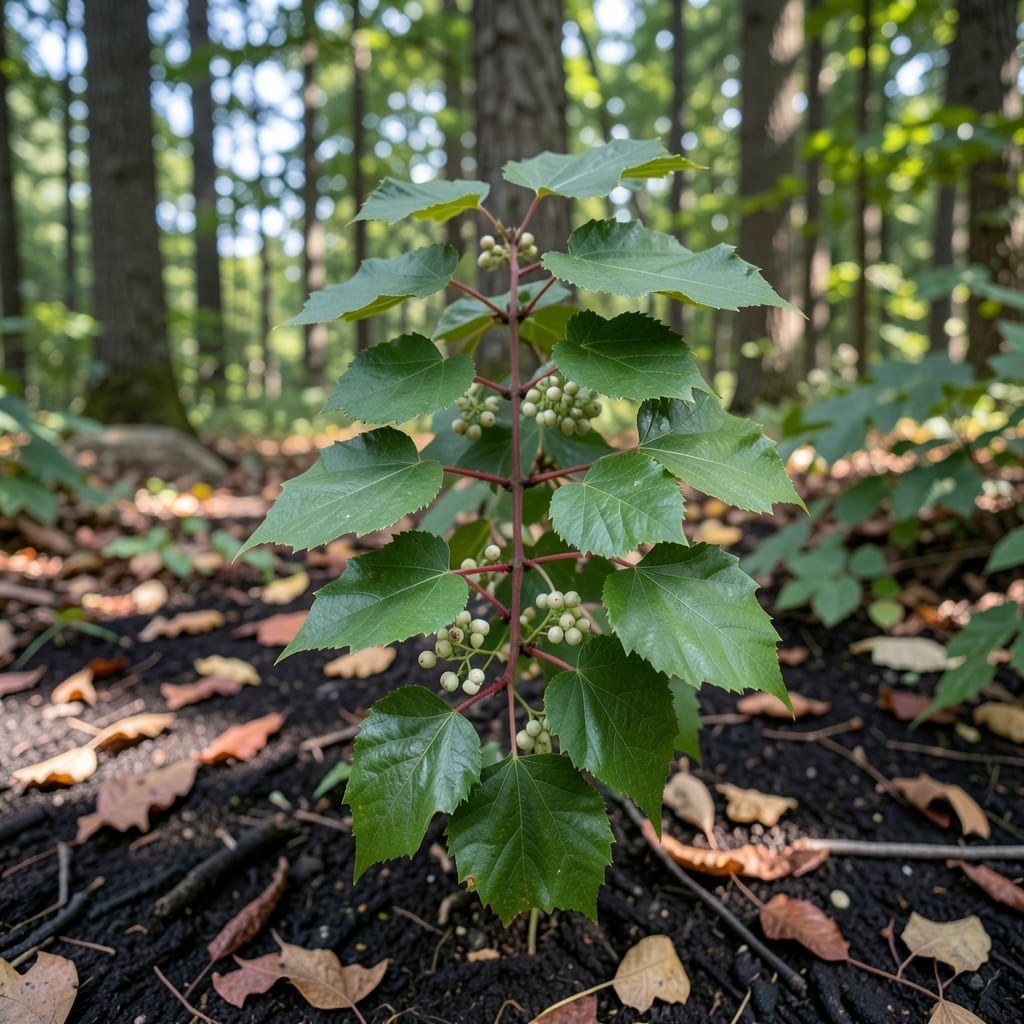
I spotted my first extreme poison ivy patch last summer—thick vines climbing 20 feet up a tree like some kind of green monster. It was terrifying, honestly.
This stuff doesn’t just cause rashes; it can take over your yard if left unchecked. The glossy leaves and white berries look innocent enough, but I learned the hard way that even brushing against it can ruin your week.
Here’s the thing—removal isn’t just about pulling plants. You need the right gear, the right timing, and a plan to keep it from coming back. I’ve tested methods that actually work without making things worse.
With the proper approach, you can reclaim your space safely and for good. No more itchy surprises when you’re just trying to enjoy your garden.
What Triggers Extreme Reactions
Extreme reactions to poison ivy occur due to a combination of plant chemistry, individual sensitivity, and environmental factors. Here’s why it happens:
🔬 Urushiol Oil Potency
The primary culprit is urushiol, a potent allergen found in poison ivy’s leaves, stems, and roots. This oily resin binds to skin proteins, triggering an immune response. In extreme cases, the concentration of urushiol is higher due to:
Plant maturity: Older plants produce more urushiol.
Seasonal variations: Oil levels peak in late summer and early fall.
🧬 Immune System Overreaction
Some people develop severe allergic contact dermatitis because their immune systems overreact to urushiol. Factors that amplify this include:
Prior exposure: Repeated contact can heighten sensitivity.
Genetics: A family history of allergies may increase susceptibility.
🌍 Environmental Exposure
Extreme reactions often result from prolonged or widespread contact, such as:
Inhalation: Burning poison ivy releases urushiol particles into the air, which can cause lung irritation or systemic reactions.
Contaminated surfaces: Touching tools, pets, or clothing that carry urushiol can spread the oil.
Understanding these triggers helps in prevention and prompt treatment.
How to Treat and Prevent It
Dealing with severe poison ivy reactions or overgrowth in your yard? Here’s how to tackle both the rash and the plant itself, with practical fixes for every scenario.
🩹 For the Rash: Immediate Relief
Wash the area with cool water and mild soap (like dish soap) within 10–15 minutes of exposure to remove the oils (urushiol). ⚠️ Never use hot water—it opens pores and spreads the oil!
Apply calamine lotion or a hydrocortisone cream to reduce itching and inflammation.
Take oral antihistamines (like Benadryl) for severe itching or swelling. For extreme cases, see a doctor for prescription steroids.
🌿 For the Plant: Safe Removal
Wear protective gear: Long sleeves, gloves, and closed-toe shoes. 💡 Pro tip: Use disposable gloves or wash reusable ones with soap and water afterward.
Pull by hand (for small patches): Use a shovel to dig up roots, then dispose of plants in sealed bags—never burn them (inhaling smoke can cause lung irritation).
Use herbivores: Goats or sheep can safely eat poison ivy. Fence them into the area for a natural solution.
Apply herbicide (for large infestations): Use a glyphosate-based product carefully, following label instructions. Avoid skin contact.
🛡️ Prevention Tips
Learn to identify poison ivy: “Leaves of three, let it be!” Look for shiny or hairy leaves with a red stem in spring.
Create barriers: Lay thick mulch or landscape fabric in problem areas to suppress growth.
Wash tools and pets after yard work—urushiol can linger on surfaces for years.
Shower after outdoor activities and wash clothes in hot water with detergent.
Frequently Asked Questions
1
How long does a severe rash last?
A severe rash typically lasts 2-3 weeks without treatment. With proper care like hydrocortisone cream and antihistamines, it may resolve in 10-14 days.
2
Can pets spread the oil?
Yes! Pets can carry urushiol on their fur. Wash them with soap and water if they’ve been in infested areas.
3
Is burning the plants dangerous?
Burning releases urushiol particles into the air, which can cause severe lung irritation if inhaled. Never burn it!
4
What’s the best natural removal method?
Goats or sheep can safely eat poison ivy. Fence them into the area for a chemical-free solution.