
Beautiful Plants For Your Interior
Beautiful Plants For Your Interior
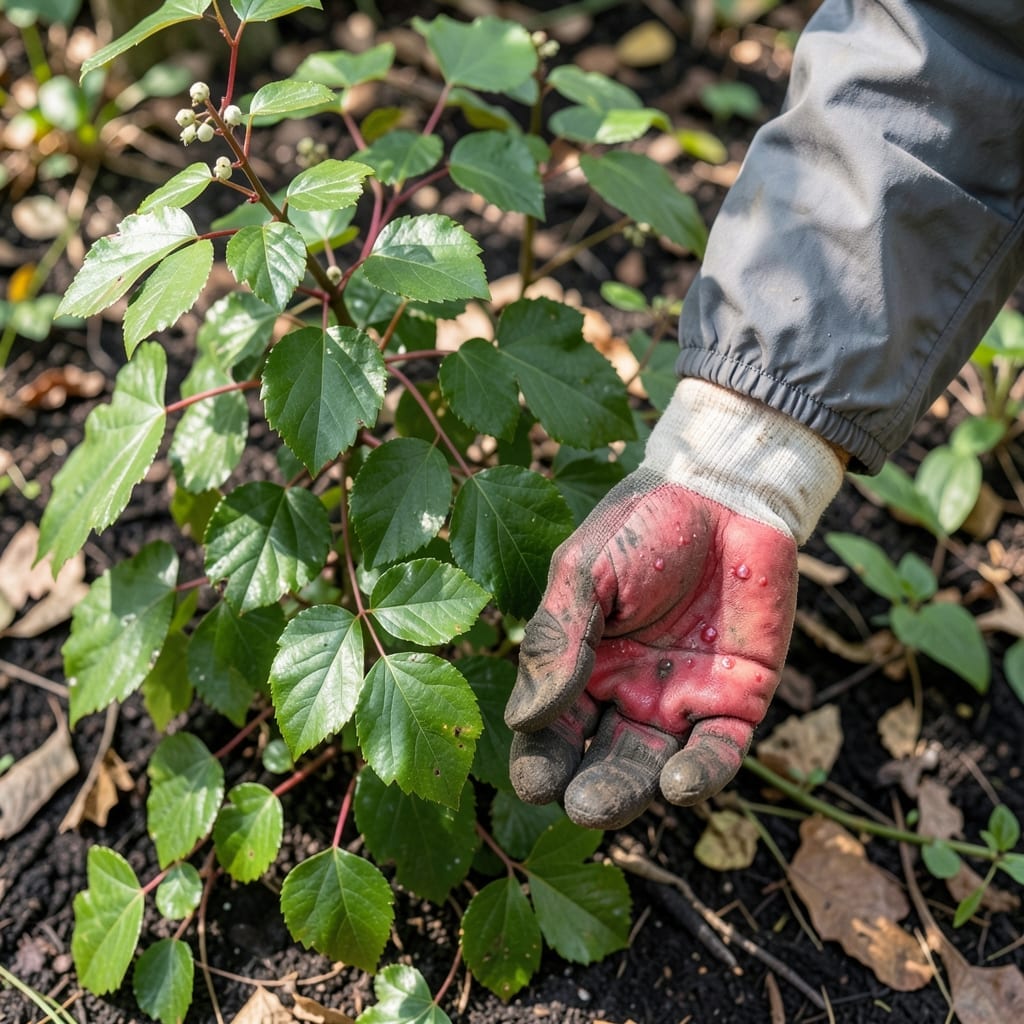
That itchy nightmare in your backyard might be worse than you think. I’ve seen poison ivy cases that looked like bad sunburns—blistered, oozing, and covering entire arms within 48 hours.
Extreme reactions often start with severe swelling, then progress to painful rashes that spread fast. The oil from the plant, urushiol, can linger on tools, gloves, or even pet fur, causing flare-ups days later.
If the rash covers a large area, affects your face, or causes difficulty breathing, seek emergency care immediately. For milder cases, cool compresses and calamine lotion can provide temporary relief.
Prevention is key—learn to spot the “leaves of three” and always wear long sleeves and gloves when working in areas where poison ivy might grow.
Extreme cases of poison ivy often stem from a combination of factors that intensify the body’s immune response. Here’s why some people experience severe symptoms while others escape with mild irritation:
The primary culprit is urushiol, the oily resin in poison ivy, oak, and sumac. In extreme cases, exposure is prolonged or repeated—think brushing against the plant for hours while gardening or touching contaminated tools, pets, or clothing. The more urushiol penetrates the skin, the worse the reaction, as the immune system ramps up its defensive (and inflammatory) response.
Genetics play a role: about 10-15% of people are highly sensitive to urushiol, producing an exaggerated immune reaction. Their bodies recognize the compound as a threat and release histamines and cytokines, leading to intense itching, blistering, and swelling. Previous exposures can also prime the immune system, making subsequent reactions more severe.
Broken or thin skin (from cuts, eczema, or sunburn) allows urushiol to penetrate deeper, triggering a more aggressive response. Even sweating or scratching can spread the oil to larger areas, worsening the rash. Washing with soap immediately after exposure can help, but once the oil binds to skin proteins, the damage is done.
Burning poison ivy releases urushiol particles into the air, which can be inhaled, causing severe lung irritation or even anaphylaxis in rare cases. Similarly, ingesting the plant (accidentally or otherwise) can lead to systemic reactions, including swelling of the throat or digestive distress. Always avoid burning or eating unknown plants!
When dealing with severe poison ivy rashes, quick and effective action is key. Below are targeted solutions for different scenarios, along with prevention tips to avoid future flare-ups.
If blisters form or the rash is weeping, gently wash the area with cool water and mild soap to remove urushiol oil. Avoid scrubbing, as this can irritate the skin further. Apply a calamine lotion or hydrocortisone cream to reduce itching and inflammation. For severe cases, an oral antihistamine like diphenhydramine can provide relief.
Prevention tip: 💡 Wear long sleeves and gloves when working in areas where poison ivy grows.
To ease swelling and discomfort, apply a cool, damp compress to the affected area for 15–20 minutes, several times a day. Over-the-counter pain relievers like ibuprofen or acetaminophen can help manage pain. If swelling is extreme or spreads to the face, seek medical attention immediately.
Prevention tip: 🌿 Learn to identify poison ivy (remember: “Leaves of three, let it be”) and avoid contact.
If the rash is spreading, wash all clothing, tools, or pets that may have come into contact with the plant’s oil. Use rubbing alcohol or a specialized poison ivy cleanser to remove urushiol from the skin. Avoid scratching, as this can cause the rash to spread or lead to infection.
Prevention tip: ✨ Shower immediately after potential exposure, using lukewarm water and soap.
If the rash becomes infected (signs include pus, fever, or red streaks), visit a doctor. They may prescribe antibiotics or steroids to treat the infection and reduce inflammation. In extreme cases, oral or injectable steroids may be necessary.
Prevention tip: 🎯 Keep nails short and clean to avoid breaking the skin if you scratch.
Seek emergency care if you have difficulty breathing, swelling in your throat, or a rash covering a large area of your body. These are signs of a severe allergic reaction that needs immediate attention.
No, the fluid in blisters doesn’t contain urushiol, so scratching won’t spread the rash. However, it can cause infection or further skin irritation. Keep nails short and clean.
Extreme cases may take 2-3 weeks to heal completely. Blisters typically dry up within 7-10 days, but lingering itch and redness can persist. See a doctor if symptoms worsen.