
Beautiful Plants For Your Interior
Beautiful Plants For Your Interior
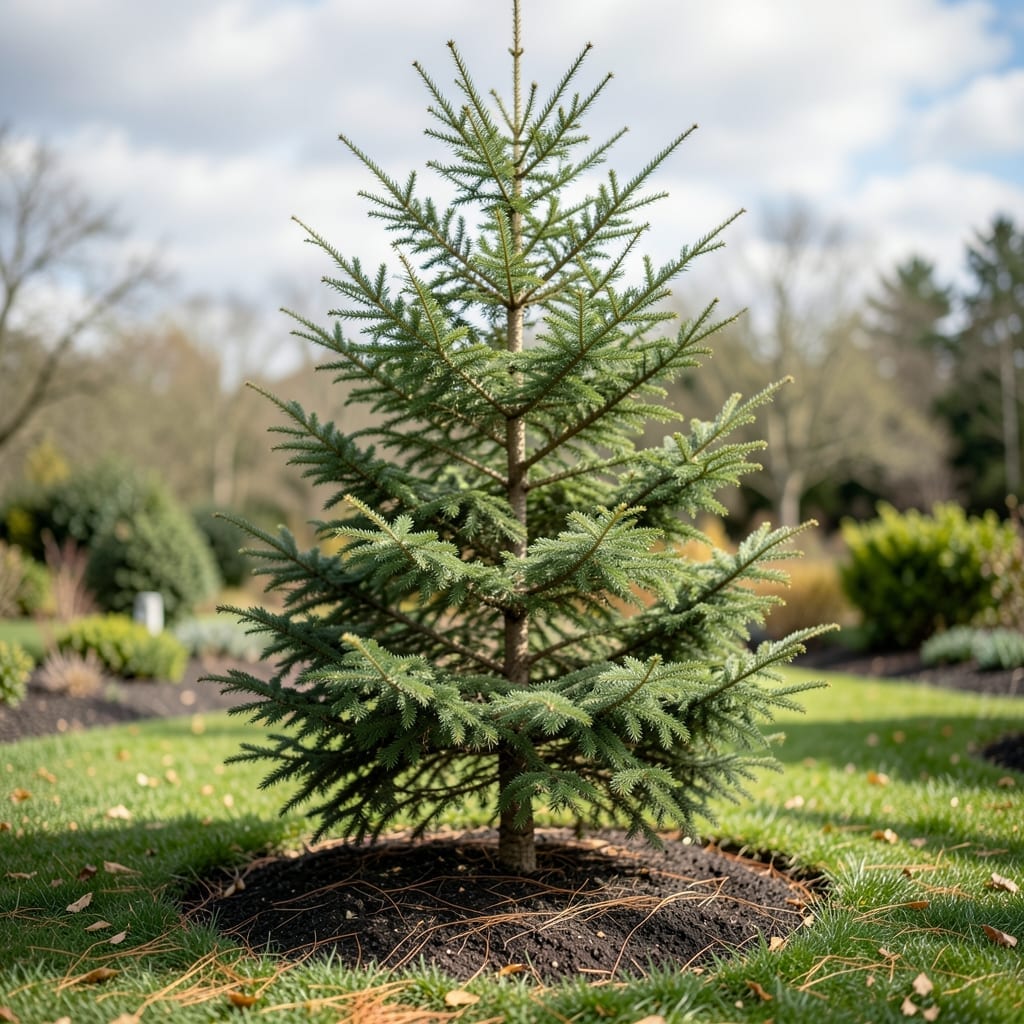
Sparse branches on an evergreen don’t mean it’s dying. I’ve seen these trees transform landscapes with their year-round structure and grace, offering something different from dense foliage.
What looks like a problem can actually be a feature. These trees provide unique visual interest, especially in winter when their open form stands out against the snow.
Most thrive in full sun and well-draining soil, and many are surprisingly low-maintenance once established. The key is choosing the right variety for your climate and space.
With a little care, you’ll have a striking focal point that stays beautiful through every season. Here’s how to make it work.
Several factors can cause an evergreen to develop sparse branches. Understanding these underlying issues helps you address them effectively.
Evergreens thrive in well-draining, nutrient-rich soil. Compacted or poorly aerated soil restricts root growth, limiting the tree’s ability to absorb water and nutrients. This stress often results in thinner foliage and sparse branching. A soil test can reveal deficiencies in nitrogen, phosphorus, or potassium—key elements for healthy growth.
Both overwatering and underwatering can lead to branch thinning. Too much water suffocates roots, while too little causes drought stress. Evergreens need consistent moisture, especially in their first few years. Drought conditions force the tree to prioritize survival over growth, shedding inner needles and branches to conserve energy.
Most evergreens require full sun to partial shade. Insufficient light weakens the tree, reducing photosynthesis and slowing growth. This often results in sparse, leggy branches as the tree stretches toward light sources. Pruning nearby plants or relocating the tree can improve exposure.
Insects like bark beetles or spider mites and diseases such as root rot or needle blight can damage foliage and branches. Pests often target stressed trees, exacerbating thinning. Regular inspections and targeted treatments (e.g., horticultural oils or fungicides) can prevent infestations from spreading.
If your evergreen tree is looking thin, don’t lose hope! With the right approach, you can encourage fuller growth and restore its lush appearance. Below are targeted fixes for common causes, along with prevention tips to keep your tree thriving.
Evergreens often suffer from nutrient deficiencies, especially in depleted soil. Use a slow-release, balanced fertilizer (10-10-10 or 12-6-6) formulated for evergreens. Apply in early spring or late fall, following package instructions. Prevention tip: 💡 Test your soil every 2–3 years to monitor pH (aim for 6.0–7.0) and adjust with lime or sulfur as needed.
Both overwatering and drought can lead to sparse branches. Water deeply but infrequently—about 1–2 inches per week, including rainfall. Use a soaker hose to deliver moisture directly to the roots. Prevention tip: 🌡️ Mulch around the base (2–4 inches deep) to retain moisture and regulate soil temperature.
Evergreens need at least 6 hours of sunlight daily. If your tree is shaded by buildings or larger plants, consider transplanting it to a sunnier spot in early spring. For established trees, prune nearby obstacles to improve light exposure. Prevention tip: ✨ Choose a planting location with full sun to partial shade from the start.
Avoid heavy pruning, which can stress the tree and reduce foliage density. Instead, lightly shape the tree in late winter or early spring, removing only dead or diseased branches. Prevention tip: 🎯 Use clean, sharp tools and never remove more than 25% of the canopy in one season.
Inspect branches for signs of pests (e.g., spider mites, bark beetles) or diseases (e.g., needle blight). Treat with horticultural oil or insecticidal soap for pests, or fungicide for diseases, following label instructions. Prevention tip: 🛡️ Keep the area around the tree clean and free of debris to discourage infestations.
Poor soil, inadequate watering, or insufficient sunlight often lead to sparse foliage. Pests and diseases can also stress the tree, causing branch thinning.
Yes! Improve soil nutrition with fertilizer, adjust watering, or relocate the tree for better light. Prune carefully and treat pests promptly to restore health.
Most evergreens thrive with at least 6 hours of sunlight daily. Without enough light, they may develop leggy, sparse branches as they stretch for exposure.
Prune in late winter or early spring before new growth starts. Avoid heavy pruning—remove only dead or diseased branches to prevent stress.