
Beautiful Plants For Your Interior
Beautiful Plants For Your Interior
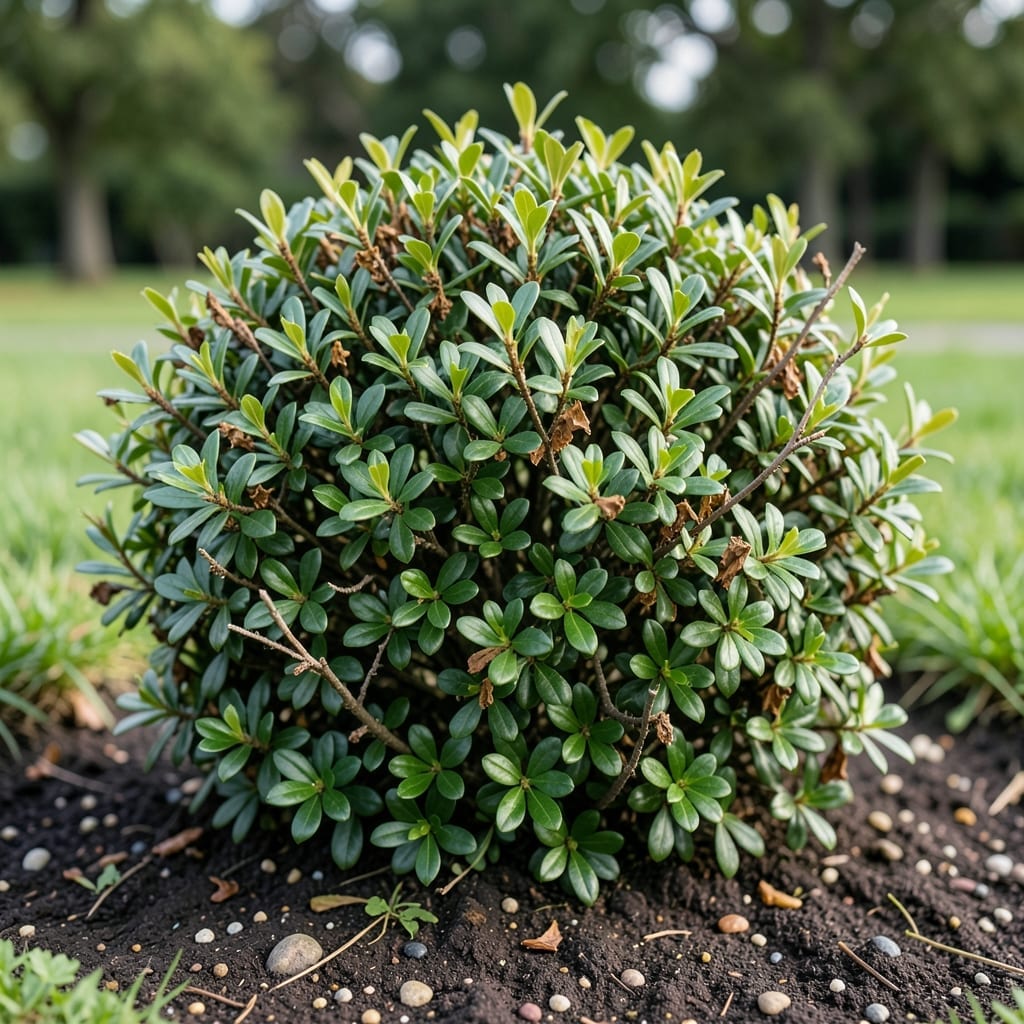
That sick feeling when your evergreens lose their color hits hard. I’ve watched too many shrubs turn crispy before realizing the fix was simpler than I thought.
Browning usually means one of three things: not enough water, too much water, or something chewing on the roots. The pattern tells you which—yellowing first, then brown, screams drought. Sudden browning overnight? Probably pests.
Most cases bounce back with a deep watering and some mulch. The ones that don’t usually have root rot from soggy soil. Catch it early and you’ll have healthy green foliage again within weeks.
Prevention is easier than cure. A 2-3 inch mulch layer and consistent watering schedule keeps most problems from starting. Works for boxwood, arborvitae, or any evergreen in your yard.
Evergreen shrubs lose their vibrant green color for several scientific reasons, often tied to environmental stress or cultural mismanagement. Below are the most common causes, each with actionable insights to diagnose the issue.
When soil moisture drops below 50% field capacity, evergreens cannot absorb enough water to replace what’s lost through transpiration. This triggers xylem cavitation—air bubbles form in the plant’s water-conducting vessels, blocking flow to the leaves. Needles or leaves turn brown from the tips inward as cells die from dehydration. Heat scorch exacerbates this, especially in broadleaf evergreens like rhododendrons, where direct sun causes photoinhibition (damage to photosynthetic machinery).
Excess moisture suffocates roots, starving them of oxygen and promoting Phytophthora or Pythium fungi. These pathogens attack the root cortex, reducing water uptake. Symptoms mimic drought: browning foliage, but the soil will feel soggy. Check for black, mushy roots—a telltale sign. Poor drainage or heavy clay soils are frequent culprits.
Road salt, herbicides, or excessive fertilizer (especially high-nitrogen blends) can cause osmotic stress. Salt ions pull water out of root cells, leading to dehydration. Herbicides like glyphosate disrupt amino acid synthesis, causing systemic browning within 7–14 days. Look for uniform browning on exposed sides (e.g., near driveways) or leaf margin burn.
Sap-sucking insects like spider mites or scale pierce plant cells, draining fluids and introducing toxins. This causes stippling (tiny yellow or brown spots) that coalesce into large brown patches. Thrips may also scratch leaf surfaces, leading to desiccation. Inspect the undersides of leaves for webbing, sticky residue (honeydew), or tiny moving dots.
Pathogens like Cercospora or Needle Cast fungi infect foliage during wet, humid conditions. Cercospora causes purple-brown lesions with yellow halos, while Needle Cast (e.g., Phomopsis) turns needles brown from the base upward. These fungi thrive in poor airflow or overhead irrigation, so improve circulation and avoid wetting foliage.
Reviving your evergreen shrubs starts with pinpointing the issue and applying targeted solutions. Here’s how to tackle the most common causes:
If dry soil or overwatering is the culprit, check moisture levels 2 inches deep. Water deeply once a week during dry spells, and ensure proper drainage to prevent root rot. Mulch with 2–3 inches of organic material to retain moisture. Prevention tip 💡: Use a soaker hose for slow, even watering at the base.
For fungal issues like Phomopsis or needle blight, prune infected branches immediately (sterilize tools with rubbing alcohol). Apply a copper-based fungicide or neem oil, following label instructions. Improve airflow by thinning dense growth. Prevention tip ✨: Space shrubs properly and avoid overhead watering.
Inspect for spider mites, scale, or borers. Blast pests off with a strong water spray, or use insecticidal soap or horticultural oil for severe cases. For borers, remove and destroy infested branches. Prevention tip 🎯: Encourage beneficial insects (like ladybugs) with companion plants.
Revive winter-damaged shrubs by pruning dead foliage in early spring. Water thoroughly before the ground freezes in fall, and apply an anti-desiccant spray to reduce moisture loss. Prevention tip 🌡️: Wrap vulnerable shrubs in burlap or use a windbreak.
If salt spray, pollution, or extreme sun is the issue, rinse foliage with fresh water after exposure. Plant salt-tolerant varieties near roads, and use shade cloth for intense sunlight. Prevention tip ✨: Choose shrubs suited to your local conditions.
With prompt action and consistent care, your evergreens can bounce back to their lush, green glory!
Water deeply once a week during dry spells, ensuring the soil stays moist 2 inches down. Overwatering can be just as harmful as drought, so always check soil moisture first.
Yes! Prune dead foliage in early spring and apply an anti-desiccant spray. Most shrubs recover with proper hydration and protection from harsh winds.
Improve airflow by spacing shrubs properly and avoid overhead watering. Apply a copper-based fungicide at the first sign of trouble.
Inspect the undersides of leaves for webbing, sticky residue, or tiny moving dots. Spider mites and scale are common culprits that leave stippling or brown patches.