
Beautiful Plants For Your Interior
Beautiful Plants For Your Interior
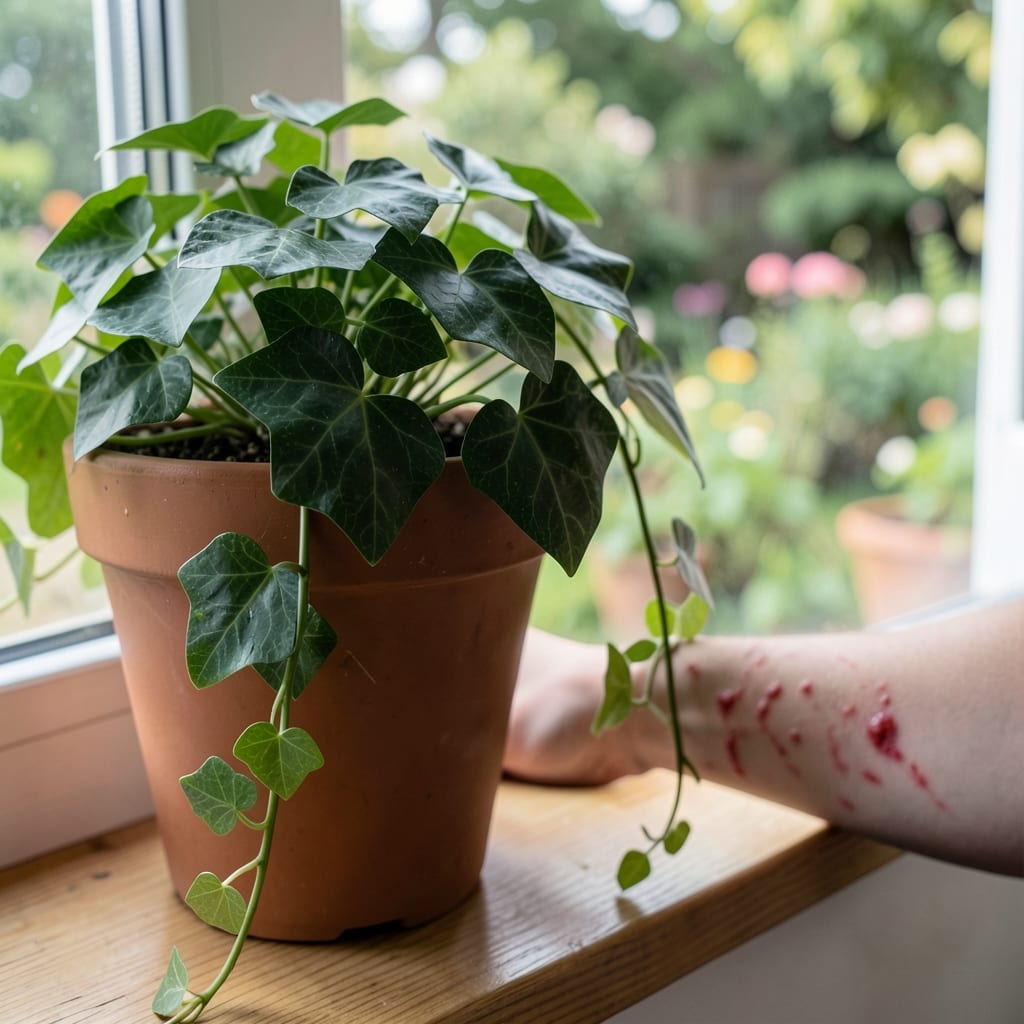
That itch came out of nowhere after trimming my English ivy last weekend. Turns out, the sap contains compounds that trigger contact dermatitis in many people, creating a red, blistering rash that’s hard to ignore.
I learned the hard way that identification is the first step to treatment. The rash typically appears within 12-48 hours of exposure, showing up as red streaks or patches where the plant touched your skin.
Immediate washing with soap and water helps, but once the rash appears, calamine lotion and cool compresses bring relief. Prevention is simpler than treatment—wear long sleeves and gloves when handling ivy.
This guide will help you recognize the rash and respond quickly. The sooner you act, the faster you’ll feel better.
English ivy rash, also known as contact dermatitis, occurs when your skin reacts to a substance in the plant called urushiol. This oily compound is found in the leaves, stems, and roots of English ivy and triggers an immune response in sensitive individuals. Below are the primary causes of the rash, explained in detail.
The most common cause of English ivy rash is direct skin contact with the plant. Urushiol binds to skin proteins, prompting your immune system to release histamines. This leads to redness, itching, and blistering. Even brushing against the plant or handling tools contaminated with its sap can transfer the oil.
Urushiol can linger on surfaces, including gardening tools, clothing, or pet fur. Touching these contaminated items can cause a delayed reaction, sometimes appearing 12 to 48 hours after exposure. Always wash hands and tools thoroughly after working near English ivy.
Less common but possible, burning English ivy releases urushiol particles into the air. Inhaling these can lead to a rash in the nasal passages or throat, as well as lung irritation. Avoid burning ivy or any plants you suspect may contain urushiol.
Understanding these triggers can help you take preventive measures, such as wearing gloves, long sleeves, and washing exposed skin immediately with soap and water.
Dealing with an English ivy rash starts with quick action. Here’s how to tackle it based on the cause:
If the rash appears after touching the plant, rinse the affected area with cool water and mild soap to remove the irritating oils (urushiol). Avoid hot water, as it can open pores and worsen absorption. Follow up with a calamine lotion or hydrocortisone cream to soothe itching. Prevention tip: Wear long sleeves, gloves, and pants when gardening near ivy. 💡
For severe itching or blisters, take an oral antihistamine (like Benadryl) to ease symptoms. Apply a cool compress for 15–20 minutes to calm the skin. If blisters form, do not pop them—this can lead to infection. Prevention tip: Learn to identify English ivy (Hedera helix) and avoid it altogether if you’re sensitive. ✨
If the rash oozes, crusts, or becomes painful, it may be infected. Clean the area gently, apply an antibacterial ointment, and cover with a bandage. See a doctor if symptoms persist. Prevention tip: Keep nails short to avoid scratching and spreading bacteria. 🎯
For all cases, avoid scratching, as this can worsen irritation or cause infection. If the rash spreads to your face, mouth, or genitals, or if you experience swelling/difficulty breathing, seek emergency care—this could signal a severe allergic reaction.
The rash typically develops within 12-48 hours after contact. The timing can vary based on your skin sensitivity and how much urushiol was transferred.
No, the rash itself isn’t contagious. However, urushiol oil can spread through touch. Always wash hands and contaminated items thoroughly to prevent indirect exposure.
Apply calamine lotion or hydrocortisone cream and use a cool compress for 15-20 minutes. Oral antihistamines can also help reduce discomfort.
Some find relief with oatmeal baths or baking soda pastes, but avoid vinegar or alcohol as they can irritate skin further. When in doubt, consult a healthcare provider.