
Beautiful Plants For Your Interior
Beautiful Plants For Your Interior
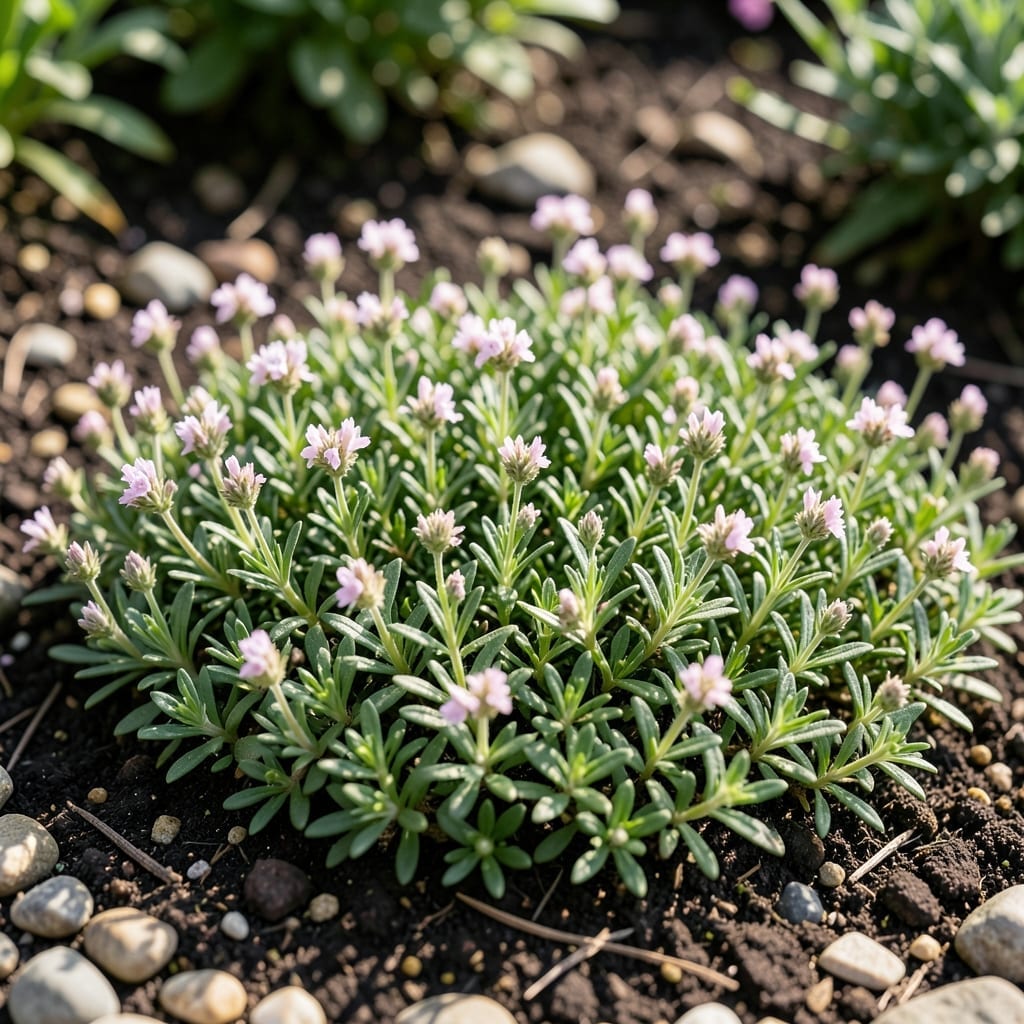
Tired of spending your weekends mowing and watering a traditional lawn? There’s a better way to achieve a lush, green space without the constant upkeep.
I discovered the magic of 🌿 Elfin Thyme as a ground cover that thrives with minimal care. This fragrant, drought-resistant alternative transforms your yard into a low-maintenance oasis.
Perfect for USDA zones 4-9, it spreads beautifully while requiring far less attention than grass. You’ll love how it handles foot traffic while releasing a pleasant aroma.
Discover how this tiny but mighty plant can give you the lawn of your dreams with a fraction of the effort. Let me show you exactly how to get started.
As a gardener who’s tried countless ground covers, I can confidently say Elfin Thyme stands out. This dwarf herb forms a dense, green mat that stays lush with minimal effort, unlike traditional grass.
It thrives in USDA zones 4-9, making it versatile for most climates. Plus, its fragrant foliage releases a pleasant scent when stepped on, turning your yard into a sensory experience. 🌿
One of the biggest advantages is its low water needs. Once established, Elfin Thyme requires weekly watering only during extreme drought, saving you time and money on irrigation.
Unlike grass, it never needs mowing, which means no more weekend chores tied to lawn maintenance. The 1-3 inch height stays perfectly manicured on its own.
I love how it attracts pollinators like bees and butterflies when it blooms with tiny pink or purple flowers in early summer. This makes it an eco-friendly choice for supporting local biodiversity.
For erosion control, Elfin Thyme’s dense root system holds soil in place better than many alternatives. It’s ideal for sloped areas where grass struggles to take root.
Another benefit is its natural pest resistance. Deer and rabbits typically avoid thyme, so you won’t need to worry about chemical deterrents or fencing.
If you’re in a hot climate, you’ll appreciate its heat tolerance. While grass browns in summer, Elfin Thyme stays vibrant green with proper establishment.
The aromatic experience is unmatched. Every step releases a fresh, herbal scent that grass simply can’t provide. It’s like having a living air freshener in your yard. 🌱
While the initial planting cost may be higher than sod, the long-term savings on water, fertilizer, and maintenance make it a smart investment for any eco-conscious gardener.
Planting an Elfin Thyme lawn is simpler than you might think. I recommend starting in spring or early fall when temperatures are mild, giving plants time to establish before extreme weather hits. 🌱
Begin by preparing your soil. Remove existing grass and weeds, then loosen the top 6 inches of soil. Mix in compost to improve drainage, as thyme dislikes soggy roots.
For sunlight requirements, aim for at least 6 hours of direct sun daily. While it tolerates partial shade, full sun yields the densest growth and best color.
Watering is minimal once established. During the first month, water weekly. After that, only water during prolonged dry spells. Overwatering is the most common mistake I see.
One of the best parts? No fertilization is needed. In fact, too much fertilizer can reduce the plant’s fragrance and compact growth habit. A light feeding in spring is sufficient.
For maintenance, weed regularly during establishment. Once mature, the dense thyme will choke out most weeds naturally. You may want to trim edges occasionally for a clean look. ✂️