
Beautiful Plants For Your Interior
Beautiful Plants For Your Interior
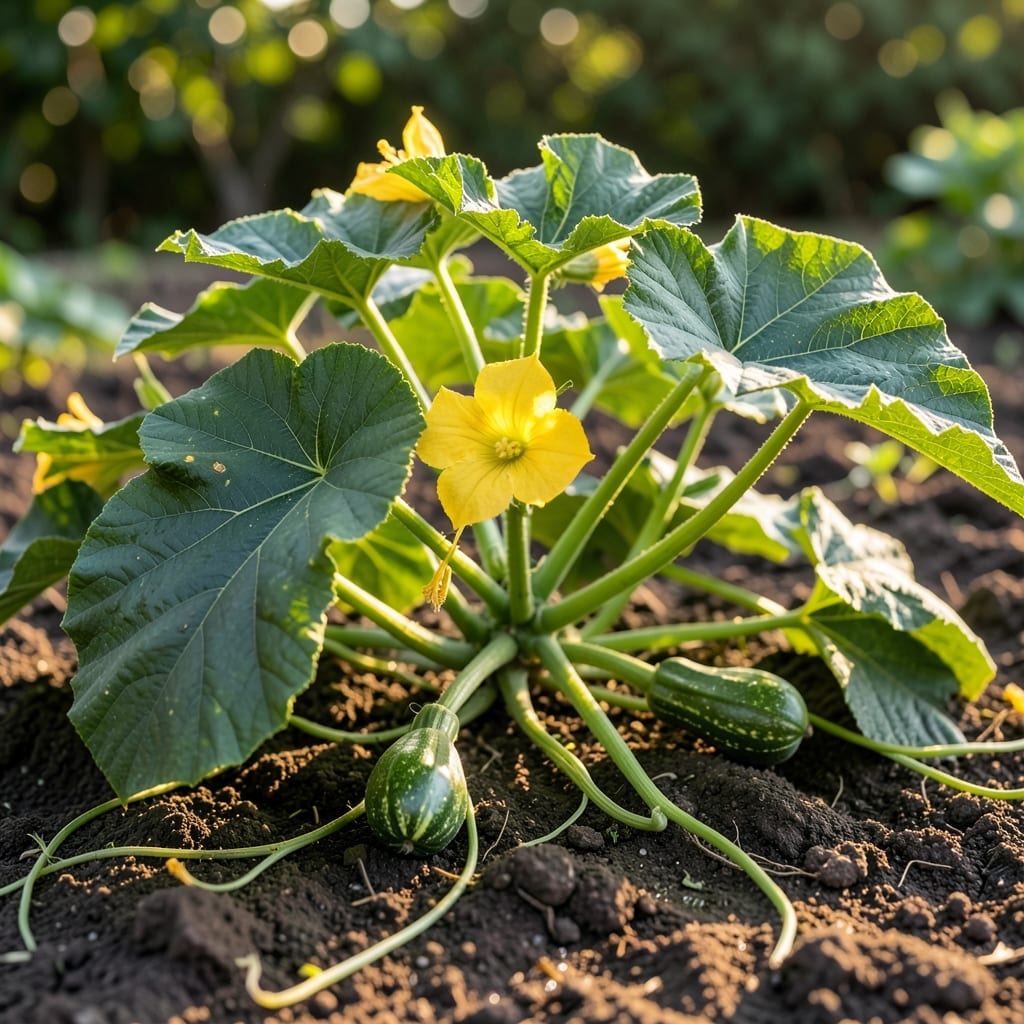
Yes, squash leaves are edible and rich in vitamins A and C. They have a mild, slightly spinach-like flavor and can be cooked like other leafy greens after proper preparation.
I love how these tender greens pack a nutritional punch with their high vitamin K content and antioxidant properties. Many cultures use them in traditional dishes, from soups to stir-fries. The key is picking young leaves for the best texture and flavor. ✨
Always wash them thoroughly to remove any dirt or pests before cooking. A quick sauté with garlic brings out their natural sweetness. 🔥
💡 In This Article
Squash leaves pack a remarkable nutrient profile per 100g serving. They deliver 5.2mg of iron (29% DV), 483mcg of vitamin K (402% DV), and 34mg of vitamin C (38% DV). The leaves also contain lutein and beta-carotene, antioxidants that support eye health and immune function. ✨
Compared to spinach, squash leaves have 3x more calcium and 2x more zinc, while matching its vitamin A content. Their fiber content (2.5g per serving) aids digestion and helps regulate blood sugar. The high chlorophyll levels may also help detoxify the body by binding to heavy metals.
Traditional medicine has long used these greens for their anti-inflammatory properties. In Mexican folk remedies, they’re brewed into teas to soothe respiratory issues. The mucilage in the leaves can help protect stomach lining, similar to how aloe vera works in digestive health. 🔥
What makes them stand out is their balanced ratio of omega-3 to omega-6 fatty acids. This rare combination in leafy greens supports heart health by reducing LDL cholesterol. The leaves also contain cucurbitacins, compounds being studied for their potential anti-cancer properties.
For maximum nutrient retention, light cooking methods work best. Steaming preserves 90% of vitamin C, while boiling can reduce it by 50%. The leaves’ mild flavor makes them perfect for absorbing spices and herbs during cooking.
Yes, but choose young, tender leaves for best flavor and texture. Older leaves may develop a tough texture or bitter taste. Always harvest from healthy, pesticide-free plants.
Blanch them in boiling water for 30 seconds, then shock in ice water. This removes most bitterness while keeping them tender. Cooking with acidic ingredients like lemon also helps.
Young, thoroughly washed leaves can be eaten raw in salads. Their mild flavor works well with light dressings. For older leaves, cooking is recommended.
Keep unwashed leaves in a sealed container in the fridge for up to 3 days. Store with a paper towel to absorb moisture and maintain freshness.