
Beautiful Plants For Your Interior
Beautiful Plants For Your Interior
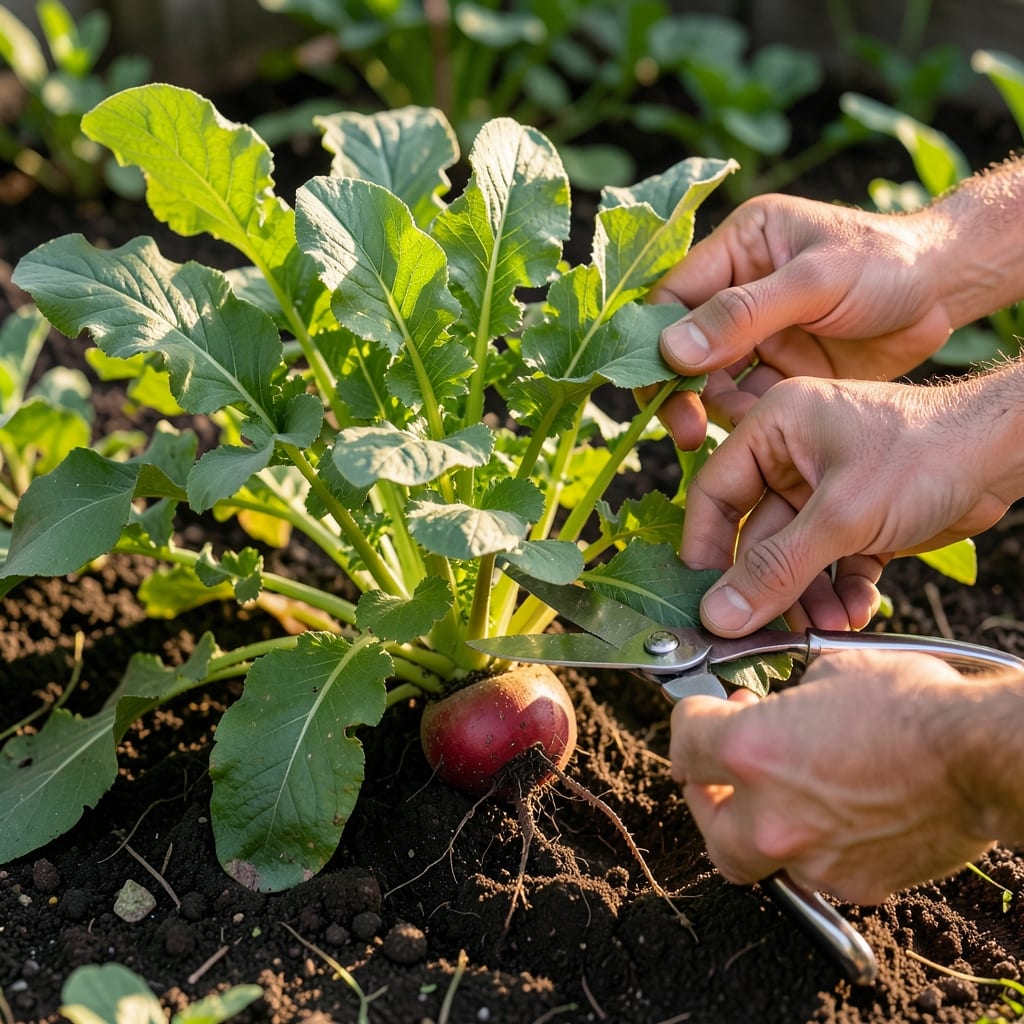
Radish leaves are edible and packed with nutrients like vitamin C, calcium, and antioxidants. They have a slightly peppery taste similar to arugula and can be eaten raw or cooked.
I love using these greens in the kitchen because they bring a unique zing to dishes that spinach or kale simply can’t match. The high vitamin C content makes them great for immune support, while the antioxidants help combat inflammation. Try them sautéed with garlic or blended into pestos for a nutrient-dense twist. ✨
💡 In This Article
Radish greens deliver an impressive nutritional punch per 100g serving. They contain 272mg of calcium (27% DV), 27mg of vitamin C (30% DV), and 2.5g of iron (14% DV). These levels rival or exceed spinach in many categories. The high calcium content supports bone health while the vitamin C boosts collagen production. 🌟
The leaves are also rich in antioxidants like anthocyanins and flavonoids. These compounds combat oxidative stress and inflammation in the body. Radish greens contain about 45mg of vitamin K per 100g, which is crucial for blood clotting and bone metabolism. Their fiber content (about 1.6g per 100g) aids digestion and promotes gut health.
Compared to other leafy greens, radish leaves have more vitamin C than kale and more calcium than lettuce. They’re particularly high in phosphorus and zinc as well. This nutrient density makes them a superfood contender that often gets discarded. The peppery flavor comes from glucosinolates, the same compounds that give radishes their characteristic bite. ✨
What makes these greens special is their balanced nutrient profile. While spinach is known for iron and kale for vitamin A, radish leaves offer a more diverse array of vitamins and minerals. They’re particularly beneficial for immune function due to their high vitamin C and zinc content.
The antioxidants in radish leaves may also help protect against chronic diseases. 💫
For those watching their intake, radish greens are very low in calories (about 23 kcal per 100g) while being nutrient-dense. This makes them an excellent addition to weight management diets. Their high water content (about 90%) also contributes to hydration. The leaves retain most of their nutrients when eaten raw or lightly cooked.
Yes, they’re completely safe when fresh and properly washed. Young leaves have a milder peppery taste, perfect for salads. Just remove tough stems first.
Blanch in boiling water for 30 seconds or sauté with garlic and olive oil. Older leaves develop more pungency but mellow beautifully when cooked.
They add a spicy kick to green juices. Combine with sweeter vegetables like carrots or apples to balance the flavor.
Store unwashed in an airtight container with a paper towel for up to 3 days in the fridge. Wash just before using.