
Beautiful Plants For Your Interior
Beautiful Plants For Your Interior
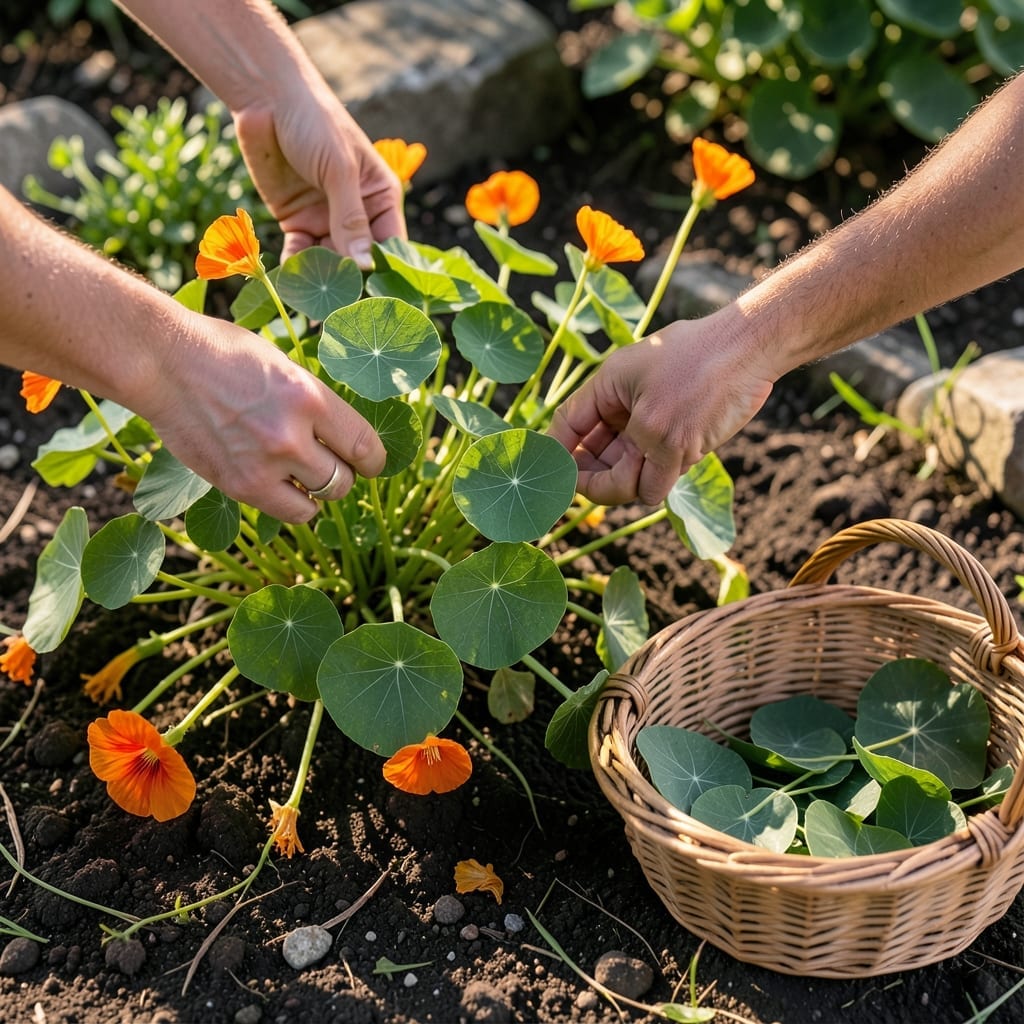
Nasturtium leaves are completely edible with a peppery, slightly tangy flavor similar to watercress. They’re safe to eat raw or cooked and packed with vitamin C and antioxidants.
I love adding these to salads for a spicy kick, as their bold taste can elevate simple dishes. 🔥 The high vitamin C content makes them a great immune booster, while their natural compounds support overall wellness. Many gardeners grow them specifically for culinary use rather than just ornamental purposes.
💡 In This Article
These leaves pack a remarkable 130mg of vitamin C per 100g, exceeding oranges by nearly 50%. This high concentration boosts collagen production, which is vital for skin elasticity and wound healing. The vitamin C also enhances iron absorption from plant-based foods, making them ideal for vegetarians.
The peppery kick comes from glucosinolates, sulfur-containing compounds that break down into isothiocyanates. These have been studied for their potential to support detoxification pathways in the liver. The leaves also contain lutein and zeaxanthin, carotenoids crucial for eye health that filter harmful blue light.
As a natural antibiotic, nasturtium leaves contain benzyl isothiocyanate, which research shows may help combat certain bacterial strains. Their antioxidant capacity measures ORAC 1,800-2,000 per 100g, comparable to blueberries. This helps neutralize free radicals that contribute to aging and chronic diseases. 🔥
For immune support, the leaves’ combination of vitamin C and zinc (about 0.2mg per 100g) creates a synergistic effect. Zinc is essential for immune cell function, while vitamin C protects those cells from oxidative stress during infection response. The leaves also provide small amounts of calcium and magnesium.
What makes them unique is their dual role as both food and medicine. Traditional herbalists have used nasturtium preparations for urinary tract health, thanks to compounds that may inhibit bacterial adhesion to bladder walls. Modern studies are exploring its potential as a natural preservative due to its antimicrobial properties.
They have a distinct peppery, slightly tangy flavor similar to watercress or arugula. The taste can vary from mild to spicy depending on the variety and growing conditions.
No, they’re completely safe to eat raw when properly washed. However, avoid consuming if they’ve been treated with pesticides. Always harvest from clean, chemical-free plants.
Yes, but add them at the end of cooking. Their delicate texture only needs 2-3 minutes of heat to wilt. This preserves their bright flavor and vibrant color.
Store unwashed leaves in a sealed container in the fridge for up to 3 days. For best quality, use immediately after harvesting when flavor and texture peak.