
Beautiful Plants For Your Interior
Beautiful Plants For Your Interior
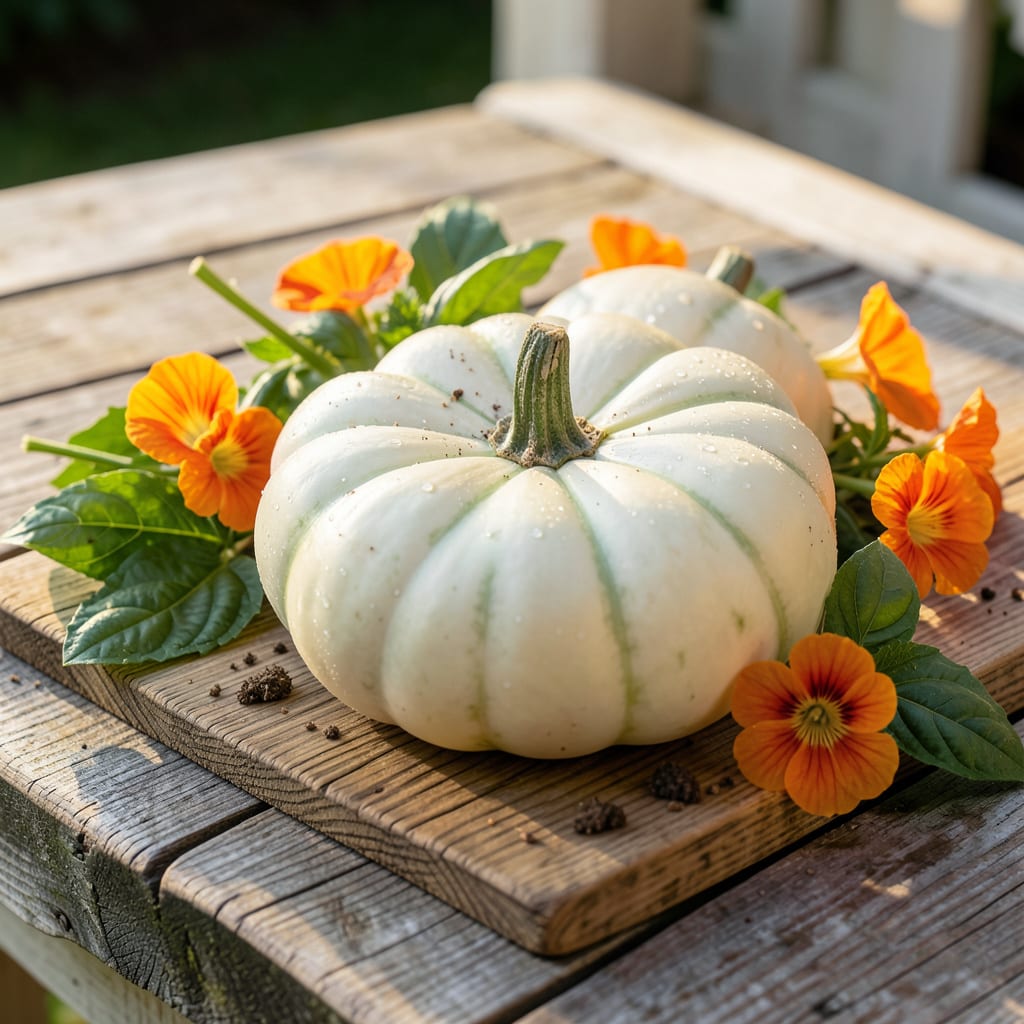
This variety changed my small garden game. Compact plants stay tidy while producing dozens of delicate white pattypan squash in just 50 days.
Perfect for containers or tight spaces, they thrive in full sun with consistent moisture. The bush habit means no sprawling vines, just easy access to harvest the tender, sweet fruits.
📚 In This Guide
This method delivers healthy plants and a bountiful harvest in minimal space.
Choose a location with full sun exposure, as these squash plants require at least 6-8 hours of direct sunlight daily. The soil should be well-draining and rich in organic matter. I always amend the planting area with compost or well-rotted manure to ensure fertility.
Work the soil to a depth of 12-15 inches, removing any large clumps or debris. This creates a loose, aerated bed that allows the roots to establish quickly. A slightly raised mound can improve drainage and warm the soil faster in cooler climates.
Sow seeds directly into the garden after the last frost date when soil temperatures reach 60°F. Plant seeds 1 inch deep and space them 2-3 feet apart in rows that are 4-5 feet apart. This spacing accommodates the bush habit while allowing airflow to reduce disease risk.
If using transplants, harden them off for 7-10 days before setting them into the prepared site. Dig a hole slightly larger than the root ball and plant at the same depth as the container. Water thoroughly after planting to settle the soil around the roots.
Water deeply at the base of the plants, delivering 1-1.5 inches of water per week, more during periods of drought or extreme heat. I check the soil by inserting my finger 1 inch deep—if it feels dry, it’s time to water. Avoid wetting the foliage to minimize the risk of fungal diseases.
Mulch around the plants with 2-3 inches of organic matter, such as straw or shredded leaves. This conserves moisture, suppresses weeds, and keeps the soil temperature stable. You’ll notice the mulch also prevents soil from splashing onto the leaves during watering.
Early White Bush Scallop Squash matures in 45-55 days, so keep an eye on the plants as they begin to flower. The squash are ready to harvest when they reach 2-3 inches in diameter and the rind is still tender enough to pierce with a fingernail.
Use a sharp knife or pruning shears to cut the squash from the vine, leaving a 1-inch stem attached. Harvesting regularly encourages the plant to produce more fruit. I like to check the plants every 2-3 days during peak production to avoid missing the optimal harvest window.
Inspect the plants regularly for signs of pests like squash bugs or cucumber beetles. Handpick any visible pests and drop them into a bucket of soapy water. I’ve found that row covers can be effective early in the season to prevent insect damage while allowing pollination once flowers appear.
Remove any yellowing or diseased leaves promptly to prevent the spread of issues like powdery mildew. At the end of the season, clear away all plant debris to reduce the risk of overwintering pests or diseases in the soil.
Small adjustments in technique lead to significantly better harvests with this variety.
The Sunlight Factor: Those 6-8 hours of direct sunlight daily aren’t just a suggestion—they’re critical for fruit production. I learned this the hard way when my first planting in partial shade produced leafy plants but almost no squash. Position your bed where it gets unobstructed morning and afternoon sun.
Soil Temperature Matters: The 60°F soil temperature requirement is non-negotiable for seed germination. Cold soil causes seeds to rot before they sprout. Use a soil thermometer to check, or wait until two weeks after your last frost date when the earth has had time to warm properly.
Watering Wisdom: Delivering 1-1.5 inches of water per week means deep, infrequent watering rather than daily light sprinkles. I water at soil level in the early morning, using a rain gauge to track weekly totals. The 1-inch finger test for moisture is more reliable than any schedule.
Harvest Discipline: Checking plants every 2-3 days during peak production seems excessive until you realize how quickly these squash grow from optimal to overmature. The 2-3 inch diameter window is brief—once the rind hardens, the quality drops dramatically. Keep pruners handy for quick harvesting.
This fast-growing variety typically matures in 50-60 days from planting. Harvest when the rind is still tender for the best flavor and texture.
Yes! Its compact bush habit makes it ideal for containers. Use a 5-gallon pot with well-draining soil and full sun for best results.
Watch for squash bugs, cucumber beetles, and powdery mildew. Use row covers early and ensure good airflow to prevent issues.
Store in a cool, dry place (around 50°F) for up to 1-2 weeks. For longer storage, refrigerate unwashed squash in a breathable container.
Try ‘Pattypan’ or ‘Benning’s Green Tint’ scallop squash—both offer similar compact growth and excellent flavor.
