
Beautiful Plants For Your Interior
Beautiful Plants For Your Interior
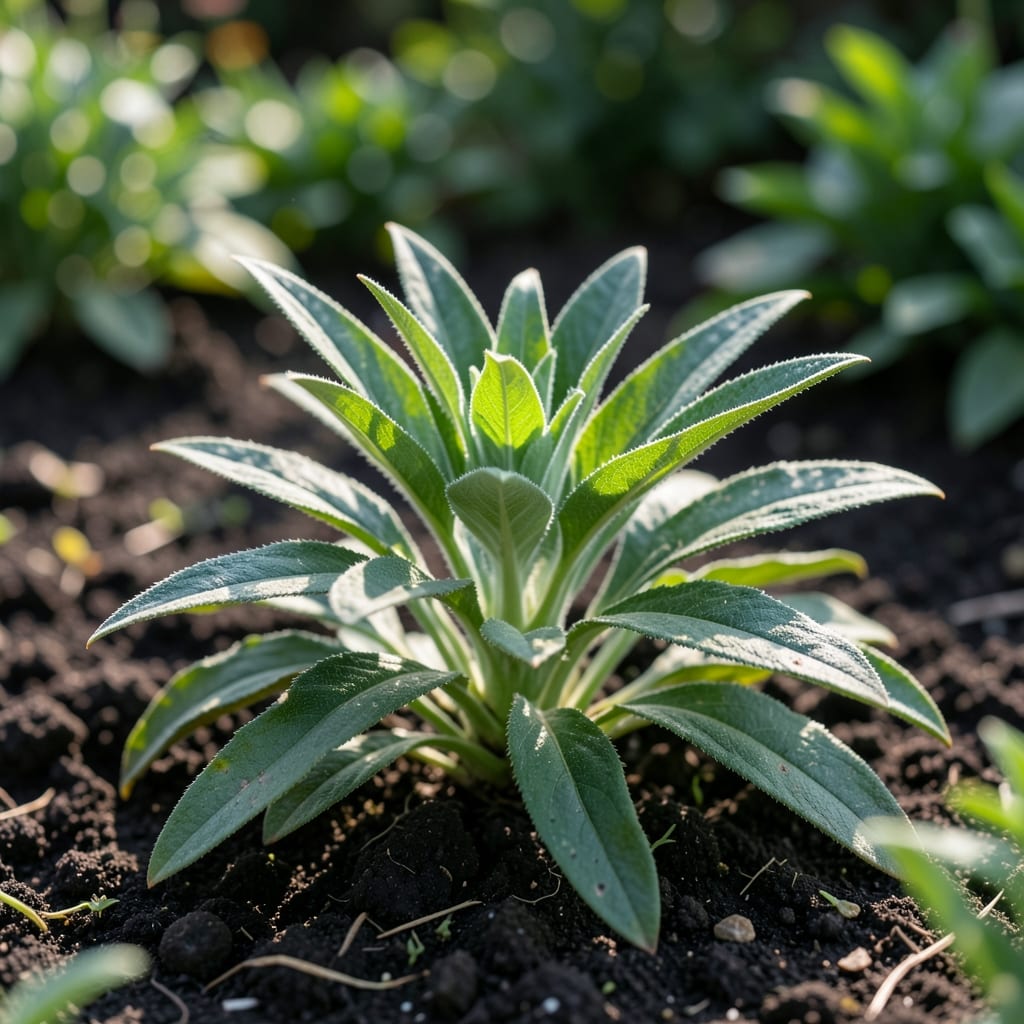
Those first echinacea leaves peeking through the soil signal the start of something special. I’ve learned to watch for them in early spring, when the plant shifts from dormancy to active growth.
They’re tender at this stage, so I hold off on heavy watering and let the soil warm up naturally. This is when the plant builds its foundation for summer blooms, and a little patience now means bigger, healthier purple cones later.
📚 In This Guide
Here’s the method I trust for harvesting and caring for young echinacea foliage at the right time.
Look for leaves that have reached 3-4 inches in length with a deep green color and firm texture. Early echinacea leaves will appear in clusters at the base of the plant before the flower stems emerge. The edges should be slightly serrated, and the surface will have a faint, pleasant herbal aroma when crushed.
I always check the plant’s center first—this is where the newest growth appears. Avoid picking leaves that are still pale or translucent, as these haven’t developed their full potency. You’ll notice the mature leaves have a slightly rough texture on the upper surface, which is normal for this plant.
Real talk: If you see any leaves with brown spots or holes, leave them be. These are likely damaged by pests or disease and won’t provide the quality you want.
With clean, sharp scissors or pruning shears, cut individual leaves at their base where they meet the stem. Never pull leaves directly off the plant, as this can damage the crown. I like to harvest in the early morning after the dew has dried but before the heat of the day sets in.
Take no more than one-third of the foliage from any single plant at one time. This ensures the echinacea maintains enough leaf surface to continue photosynthesizing and growing strongly. Space your harvests 2-3 weeks apart to allow for regrowth.
Here’s the thing—you’ll get the best flavor and medicinal properties from leaves harvested before the plant puts energy into flower production. Once buds form, the leaves become tougher and less desirable for most uses.
Rinse the leaves gently under cool water to remove any dirt or insects, then pat them dry with a clean towel. For fresh use, you can chop them immediately. For drying, spread the leaves in a single layer on a clean, dry surface away from direct sunlight.
I’ve found that leaves dry best in a well-ventilated area with temperatures around 70°F. They’ll be ready when they crumble easily between your fingers, which typically takes 5-7 days. Store dried leaves in an airtight container in a dark, cool place.
Water your echinacea plants deeply after harvesting to help them recover. They prefer 1 inch of water per week, either from rainfall or supplemental irrigation. Avoid wetting the foliage when watering to prevent fungal issues.
Apply a balanced organic fertilizer lightly around the base of the plant to encourage new growth. I always pull back any mulch before fertilizing, then replace it afterward to maintain consistent soil moisture and temperature.
Watch for new leaves to emerge within 7-10 days. This is your sign the plant is recovering well. If growth seems slow, check that the plant is getting full sun for at least 6-8 hours daily.
Small details make a big difference when harvesting and processing these delicate leaves.
Harvest Timing: Step 2 emphasizes harvesting in the early morning after dew dries, and here’s why—this is when the leaves contain the highest concentration of essential oils. The cooler temperatures also help preserve their potency during processing.
Leaf Selection: In Step 1, you’re looking for that 3-4 inch length with deep green color. Confession: I used to harvest smaller leaves thinking they’d be more tender, but they lack the full medicinal properties that develop in properly matured foliage.
Drying Conditions: The 70°F temperature mentioned in Step 3 isn’t arbitrary. Higher temperatures can degrade the volatile compounds, while cooler spots may encourage mold growth. A well-ventilated area at this exact temperature ensures optimal drying without quality loss.
Plant Recovery: After harvesting, the 1 inch of water per week in Step 4 is crucial. Echinacea has deep roots, so shallow watering won’t reach where it’s needed. I learned this the hard way after losing a plant to drought stress following a harvest.
Harvest leaves in early spring when they’re young and tender, typically before the plant flowers. This ensures the highest concentration of beneficial compounds.
Yes! Fresh or dried early leaves make a mild, immune-boosting tea. Steep 1-2 teaspoons of dried leaves in hot water for 5-10 minutes.
Try elderberry, goldenseal, or astragalus for similar immune support. Always check with a healthcare provider before substituting.
Yellowing may indicate overwatering, poor drainage, or nutrient deficiency. Check soil moisture and ensure proper drainage to revive the plant.