
Beautiful Plants For Your Interior
Beautiful Plants For Your Interior
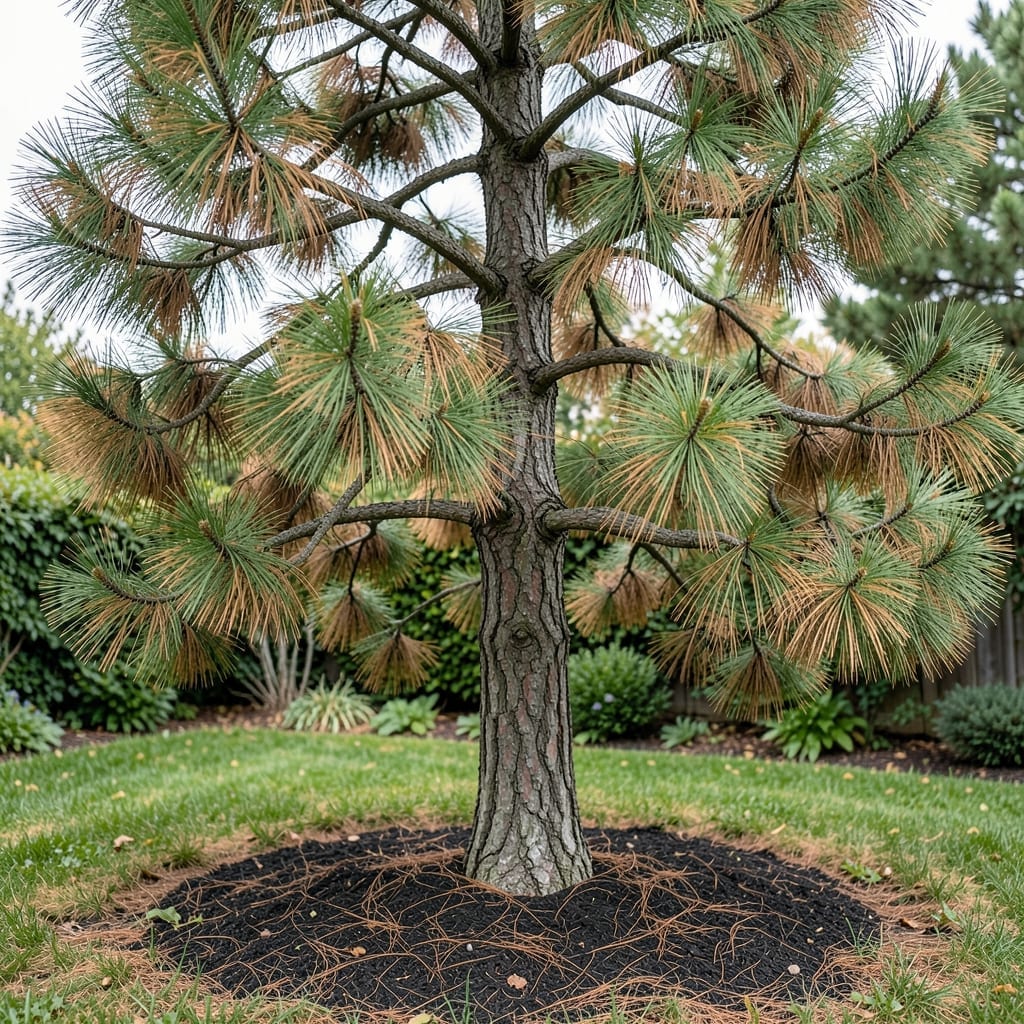
My heart sinks every time I see a pine tree‘s needles turning brown. It happened to me last summer, and I learned the hard way that early symptoms are often subtle—yellowing, dropping needles, or bark changes you might overlook.
Between you and me, most pine tree problems stem from stress: drought, pests, or root issues. The good news? Catching these signs early means you can often save your tree with the right care and intervention.
I’ll be real with you: prevention is easier than cure. Regular checks for discoloration, unusual growths, or pest activity can make all the difference. A healthy pine should have vibrant green needles and firm bark.
Works for all pine varieties, whether in your backyard or community space. Here’s how to spot trouble before it’s too late.
Several factors can trigger pine tree decline, often working in combination. Understanding these causes helps you address the root problem before it’s too late. Below are the most common culprits behind a struggling or dying pine.
Insects like bark beetles, pine weevils, and sawyer beetles bore into the tree, disrupting its vascular system. These pests often target stressed trees, laying eggs under the bark. Their larvae feed on the tree’s inner tissues, cutting off nutrient and water flow. Look for tiny exit holes, sawdust-like frass, or pitch tubes on the bark—clear signs of an active infestation.
Fungi such as armillaria root rot, pine wilt nematode (carried by beetles), and dothistroma needle blight attack pines in different ways. Root rot decays the roots, while nematodes block water transport, causing rapid wilting. Needle blight turns needles brown or black in patches. Fungal spores thrive in wet, poorly drained soil, so improving drainage can help prevent outbreaks.
Extreme weather—drought, heatwaves, or waterlogged soil—weakens pines, making them vulnerable to pests and disease. Drought stress reduces resin production (a natural defense), while overwatering suffocates roots. Pines in urban areas often suffer from compacted soil or pollution, further limiting their ability to absorb water and nutrients.
Pines require acidic, well-draining soil and specific nutrients like nitrogen, magnesium, and iron. Poor soil pH or compacted earth restricts root growth, while nutrient deficiencies manifest as yellowing needles (chlorosis), stunted growth, or premature needle drop. A soil test can pinpoint imbalances, allowing for targeted amendments like lime (to raise pH) or iron supplements.
Once you’ve spotted the warning signs, acting fast can save your pine. Below are targeted fixes for the most common issues, plus prevention tips to keep your tree thriving long-term.
For bark beetles or pine wilt nematodes, remove heavily infested branches or trees to stop the spread. Apply insecticidal soap or horticultural oil for smaller infestations. For fungal diseases like pine rust, prune affected areas and use a copper-based fungicide. Prevention tip: 💡 Keep your tree healthy with proper watering and mulching to deter pests naturally.
If your pine is overwatered, improve drainage by amending the soil with sand or organic matter. For underwatered trees, deep-water slowly (1–2 inches per week) at the drip line, not the base. Prevention tip: ✨ Use a moisture meter to avoid guesswork—pines prefer slightly dry soil over soggy conditions.
Yellowing needles often signal a lack of nitrogen, iron, or magnesium. Use a slow-release, acid-loving plant fertilizer (10-10-10 or 12-4-8 blend) in early spring. For iron deficiency, apply chelated iron to the soil. Prevention tip: 🎯 Test your soil every 2–3 years to adjust nutrients proactively.
Trim broken branches with clean, sharp pruners (disinfect between cuts!) to prevent disease entry. If the trunk is wounded, cover it with tree wound dressing only if the cut is large. Prevention tip: 🌡️ Avoid lawnmower or weed-whacker damage by maintaining a mulch ring around the base.
For drought stress, mulch heavily (2–4 inches deep) to retain moisture. If poor sunlight is the issue, thin nearby trees to improve exposure. Prevention tip: 🌲 Choose native pine species for your climate to reduce long-term stress.
With the right approach, even a struggling pine can bounce back—consistency is key!
Early signs like needle discoloration can show within 2-4 weeks of stress. Severe symptoms, such as extensive browning or bark peeling, may take several months to develop.
Yes, if caught early. Remove infested branches and apply horticultural oil. Severe cases may require professional treatment. Prevention is key—keep trees healthy to deter pests.
Yellowing needles and wilting are early clues. Check for mushrooms at the base or soft, dark roots. Improve drainage immediately to save the tree.
No, some seasonal shedding is normal. However, excessive drop—especially green needles—signals stress. Investigate water, pests, or soil issues if it’s widespread.