
Beautiful Plants For Your Interior
Beautiful Plants For Your Interior
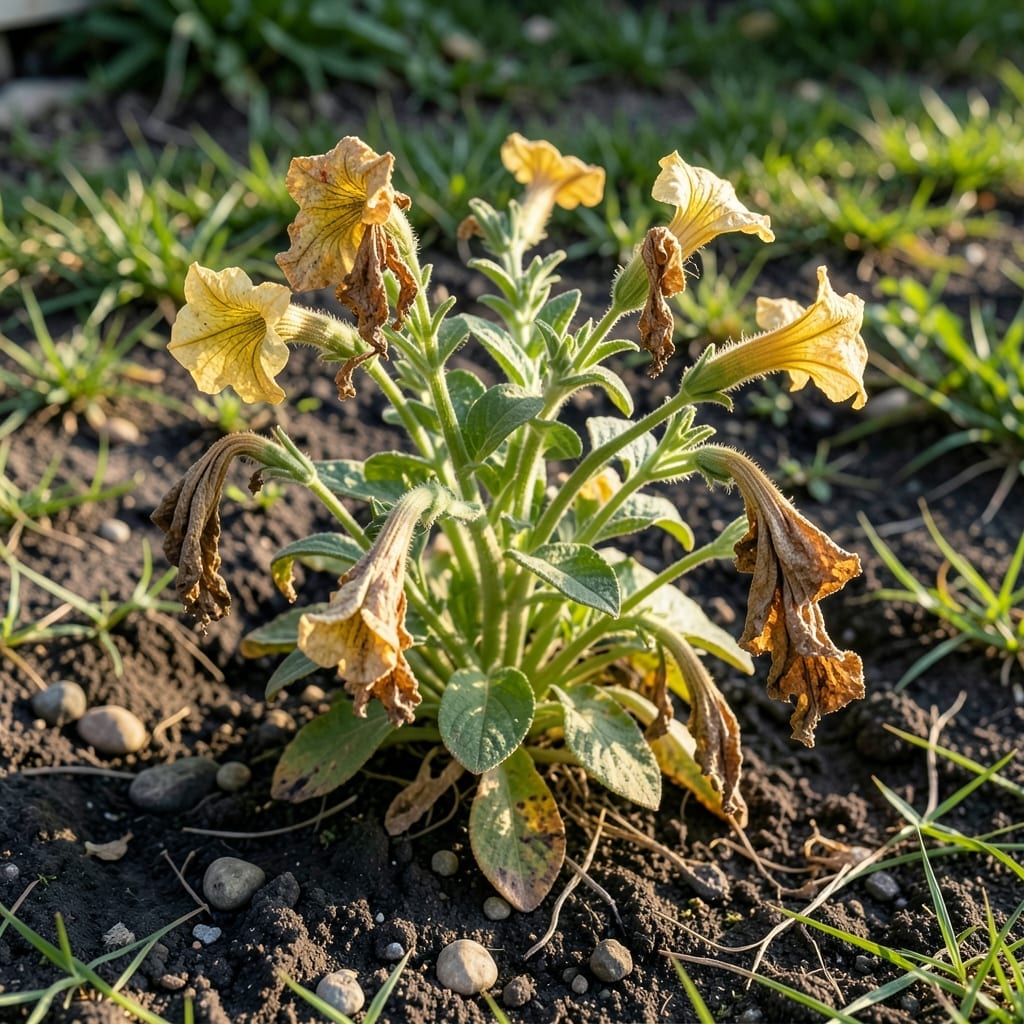
Your petunias aren’t done yet. I’ve brought back wilted, yellowing plants more times than I can count with just a few adjustments to water, light, and care.
Most issues start with overwatering or poor drainage—petunias hate soggy roots. Check the soil before watering, and ensure pots have holes. Pests and disease often follow stressed plants, so early action is key.
With the right fixes, you’ll see new growth within a week. Remove damaged leaves, adjust watering, and move them to better light. They’re tougher than they look.
Prevention is simpler than revival. Once you know the signs, keeping petunias thriving all season becomes second nature.
Petunias are hardy, but they can wilt or die when their basic needs aren’t met. Understanding the root causes helps you fix the issue fast and prevent future problems. Here’s what’s likely going wrong:
Petunias thrive in full sun, but extreme heat (above 90°F/32°C) can scorch leaves and stunt growth. Intense midday sun, especially in dry climates, causes heat stress, leading to wilting, brown edges, or premature death. These plants need consistent moisture to cope with high temperatures.
Overwatering drowns roots, promoting root rot (often from Phytophthora or Pythium fungi), which turns stems mushy and black. Underwatering, on the other hand, causes dry, crispy leaves and drooping. Petunias prefer moist but well-draining soil—soggy or bone-dry conditions are equally deadly.
A lack of nitrogen (yellowing leaves), phosphorus (stunted growth), or potassium (weak stems) can slowly kill petunias. Over-fertilizing with high nitrogen can also cause leaf burn. Use a balanced, water-soluble fertilizer (10-10-10 or 20-20-20) every 2–3 weeks during growing season.
Aphids, spider mites, and whiteflies suck sap, weakening plants. Fungal diseases like powdery mildew (white coating) or botrytis (gray mold) thrive in humid, crowded conditions. Neem oil or insecticidal soap can treat pests, while improving airflow and avoiding overhead watering prevent fungal spread.
Petunias hate heavy, clay-rich soil that retains water. Compacted or waterlogged soil suffocates roots. Amend garden beds with compost or perlite to improve drainage. In containers, ensure pots have drainage holes and use a lightweight potting mix.
Don’t give up on your wilted petunias just yet! With a few targeted fixes, you can nurse them back to health. Below are the most common issues and their solutions, paired with prevention tips to keep your blooms thriving.
If the soil is bone-dry and leaves are crispy, your petunias are thirsty. Water deeply at the base until the top inch of soil feels moist. Avoid wetting the foliage to prevent fungal issues. Prevention tip: 💡 Check soil moisture daily in hot weather—petunias in containers dry out faster.
Yellowing leaves or mushy stems signal too much water. Stop watering immediately and let the soil dry out. If the pot lacks drainage holes, repot into one with holes and use fresh, well-draining potting mix. Prevention tip: ✨ Water only when the top inch of soil is dry, and empty saucers after watering.
Aphids, spider mites, or whiteflies can sap your petunias’ strength. Blast pests off with a strong stream of water, then apply insecticidal soap or neem oil. Repeat every 5–7 days until gone. Prevention tip: 🎯 Inspect plants weekly and encourage beneficial insects like ladybugs.
Wilting in the afternoon? Petunias love sun but can scorch in extreme heat. Move pots to a spot with afternoon shade or use shade cloth. Mulch around in-ground plants to retain moisture. Prevention tip: 🌡️ Plant in areas with dappled light during peak summer months.
Pale leaves or weak growth may mean hunger. Fertilize with a balanced, water-soluble fertilizer (10-10-10) every 2 weeks during the growing season. For flowering boosts, switch to a bloom-specific formula. Prevention tip: 💪 Mix slow-release granules into the soil at planting for steady nutrients.
With these quick, practical fixes, your petunias can bounce back and reward you with vibrant color all season long!
Water when the top 1 inch of soil feels dry, typically every 2-3 days in hot weather. Container plants may need daily watering. Always water at the base to avoid wetting leaves.
Yes! Move them to shade during peak heat and keep soil moist. They’ll often perk up within 24 hours. Mulching helps retain moisture and protect roots from extreme temperatures.
Use a balanced, water-soluble fertilizer like 10-10-10 or 20-20-20 every 2 weeks. For blooms, switch to a bloom booster formula higher in phosphorus. Avoid over-fertilizing, which can burn roots.
Yellow leaves often signal overwatering or poor drainage. Check the roots—if they’re mushy, reduce watering and improve drainage. Nutrient deficiencies can also cause yellowing, so fertilize if needed.