
Beautiful Plants For Your Interior
Beautiful Plants For Your Interior
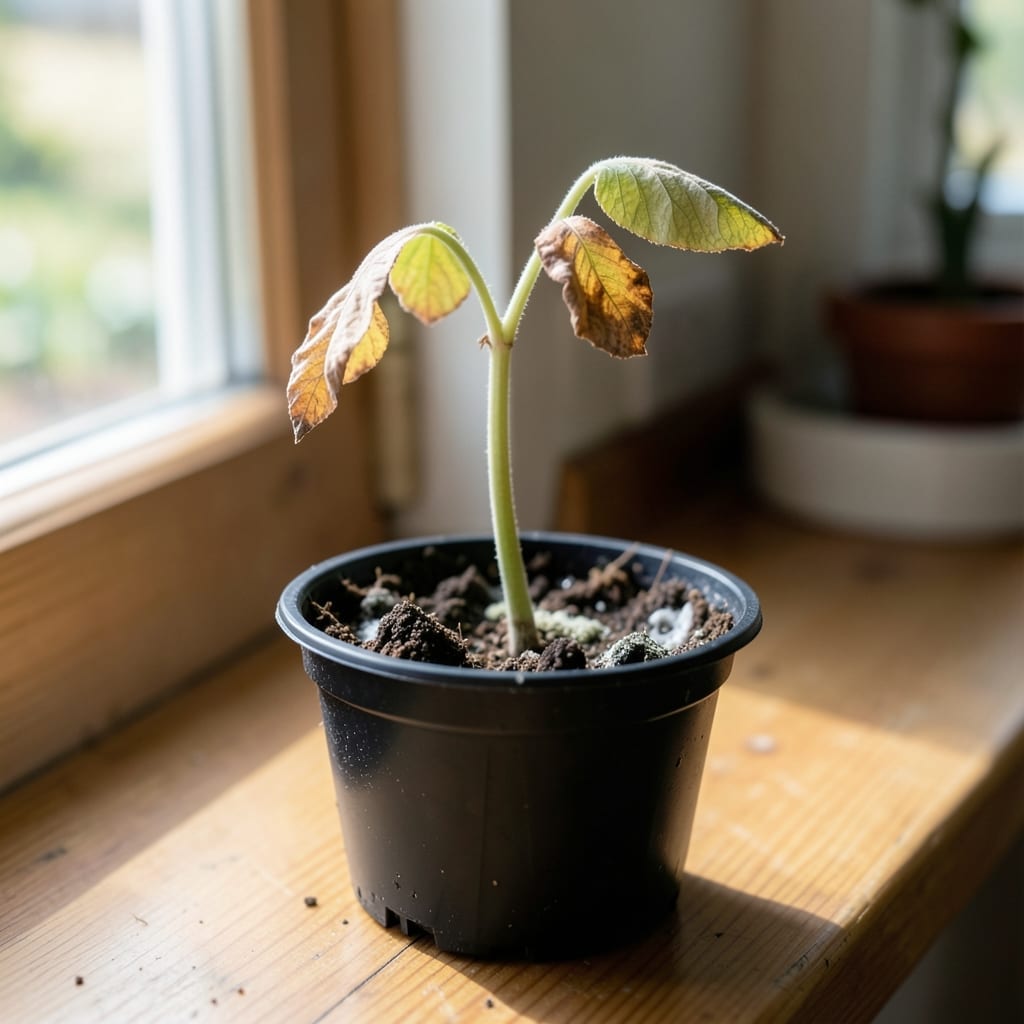
Your seedling was thriving yesterday—today it’s a sad, yellowing mess. Overwatering suffocates roots faster than drought does, but there’s still hope. I’ve saved countless seedlings with the right immediate action.
First, stop watering. Let the soil dry out completely before doing anything else. The roots need air, not more moisture. This is the critical 24-hour window where most seedlings are lost or saved.
Next, gently check the roots. Healthy ones are white and firm. If they’re brown and mushy, you’ll need to trim the damage and repot in fresh, dry soil. It’s shocking how quickly they bounce back.
Prevention is simpler than you think. Water only when the top inch of soil feels dry. Your seedlings will thank you with stronger growth and far fewer losses.
Overwatering doesn’t just drown your seedling—it suffocates its roots. Here’s why it happens:
Healthy roots need oxygen to respire and absorb nutrients. When soil is waterlogged, air pockets are replaced with water, cutting off the roots’ oxygen supply. Without oxygen, root cells cannot perform aerobic respiration, leading to energy starvation and root death within days. This is often the first domino in a seedling’s decline.
Excess moisture creates a breeding ground for Pythium, Phytophthora, and other water-loving pathogens. These organisms thrive in soggy conditions, attacking weakened roots and causing root rot. As roots decay, they can no longer uptake water or nutrients, accelerating the seedling’s collapse. Visible signs include black, mushy roots and a foul odor.
Overwatering leaches essential nutrients (like nitrogen, potassium, and phosphorus) from the soil, making them unavailable to the seedling. Additionally, waterlogged soil shifts its pH, often becoming too acidic or alkaline, which further blocks nutrient absorption. Without these critical elements, the seedling starves even if the soil appears rich.
Cold, waterlogged soil slows root metabolism, while warm, soggy conditions speed up microbial decay. Compaction from excessive watering also reduces soil porosity, making it harder for roots to expand. Together, these factors create a perfect storm for seedling failure, often within a week of overwatering.
Act fast with these targeted fixes to save your 1-week overwatered seedling and restore its health. Each solution addresses a specific issue caused by overwatering.
Let the soil dry out completely before watering again. Stick your finger an inch into the soil—if it feels damp, wait. Move the seedling to a dry, well-ventilated area to speed up evaporation.
Prevention: Water only when the top inch of soil is dry. Use a moisture meter for precision. 💡
Gently remove the seedling from its soggy soil, trim any black or mushy roots with clean scissors, and repot it in fresh, well-draining potting mix. Avoid compacting the soil—keep it light and airy.
Prevention: Always use pots with drainage holes and a mix containing perlite or sand. ✨
Place the seedling in bright, indirect light (direct sun can stress it further). Use a small fan on low to improve air circulation and prevent fungal growth.
Prevention: Position seedlings where they get consistent airflow, like near an open window. 🌡️
If leaves are yellow, wilted, or mushy, snip them off with sterilized scissors. This redirects the seedling’s energy to healthy growth and reduces rot risk.
Prevention: Inspect seedlings daily for early signs of overwatering, like drooping or yellowing leaves. 🎯
Overwatered seedlings are already stressed—fertilizing now can burn their delicate roots. Wait until the plant shows new, healthy growth before resuming a diluted feed.
Prevention: Fertilize sparingly, following package instructions, and never apply to soggy soil. 🔥
Check for yellowing leaves, mushy stems, or soil that stays soggy for days. A foul smell from the soil is a red flag for root rot.
Yes, if you act fast. Trim the damaged roots and repot in fresh, dry soil. Avoid watering for 2-3 days to let it recover.
Focus on frequency—water only when the top 1 inch of soil is dry. Use enough to moisten the soil without pooling.
Wilted leaves with wet soil usually mean root suffocation. Stop watering and improve airflow to help roots breathe.