
Beautiful Plants For Your Interior
Beautiful Plants For Your Interior
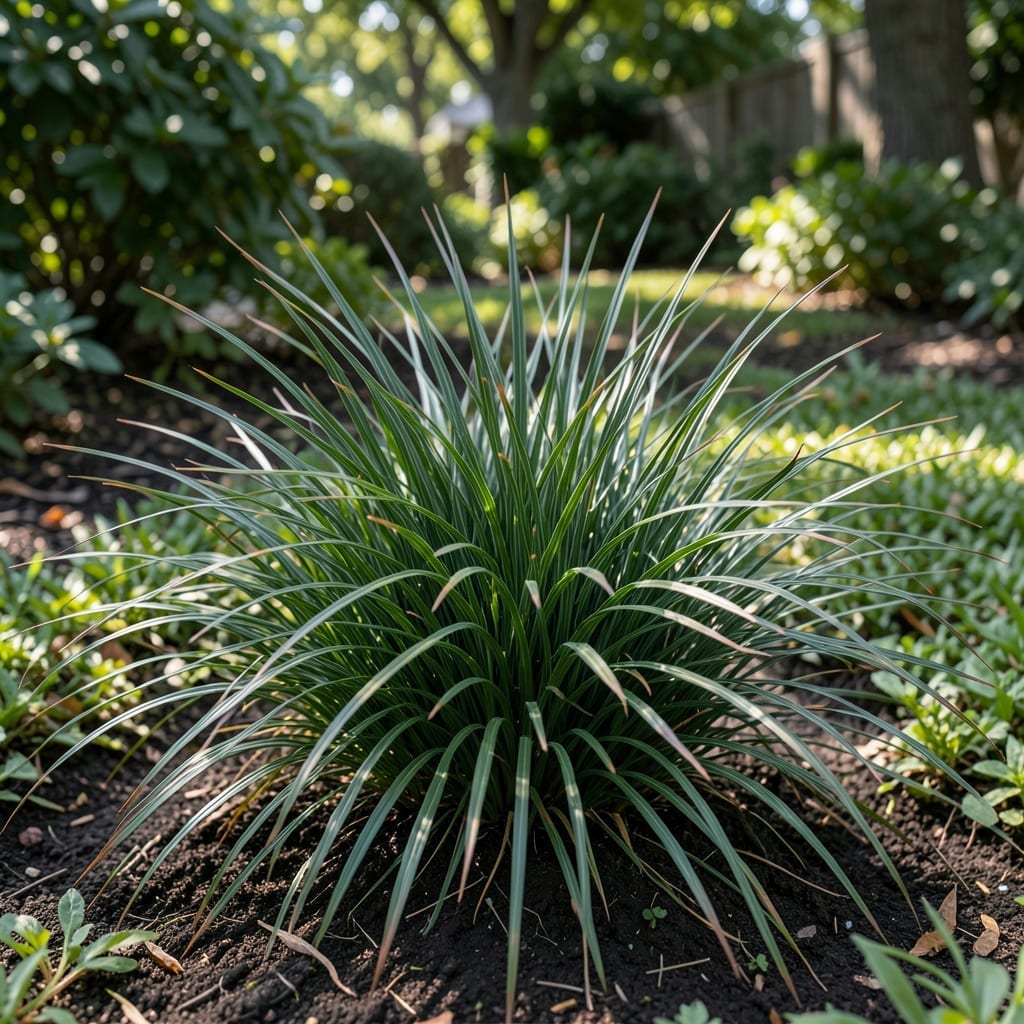
Brown tips on dwarf mondo grass hit different—like a bad haircut you didn’t ask for. I’ve nursed my share back to health, and the fix is simpler than you’d think.
Usually it’s water stress, either too much or too little, or a nutrient imbalance throwing the plant off. The good news? These grasses bounce back fast with the right adjustments.
You’ll see fresh green growth pushing through within 2-3 weeks once conditions improve. No fancy tools required—just consistency and a sharp eye.
Works for containers, borders, or ground covers. Here’s how to turn those crispy tips into a lush, uniform carpet again.
Dwarf mondo grass (Ophiopogon japonicus ‘Nana’) develops brown tips due to stress factors that disrupt its optimal growing conditions. Below are the most common causes, explained with actionable insights.
This plant thrives in consistently moist but well-drained soil. Brown tips often signal root stress from drought (curling, crispy edges) or waterlogging (soft, mushy bases). Overwatering suffocates roots, reducing oxygen uptake and nutrient delivery, while underwatering leads to cellular dehydration. Check soil moisture 1–2 inches deep—water only when the top layer feels dry.
Dwarf mondo grass prefers partial to full shade. Prolonged direct sunlight (especially in hot climates) causes photooxidative stress, where chlorophyll breaks down, leading to scorched tips. UV radiation also accelerates water loss, exacerbating dehydration. Relocate pots to shaded areas or use shade cloth for in-ground plants.
Over-fertilizing—especially with high-nitrogen or synthetic products—can chemically burn the delicate roots and foliage. Salt buildup from fertilizers disrupts osmotic balance, pulling water out of the plant. Conversely, a potassium or magnesium deficiency may cause tip necrosis. Use a balanced, slow-release fertilizer (10-10-10) at half strength, and flush the soil with water every 2–3 months to remove excess salts.
Brown tips appear when temperatures drop below 10°F (-12°C) or rise above 90°F (32°C). Cold damage ruptures cell membranes, while heat stress increases transpiration beyond the plant’s uptake capacity. Mulch heavily in winter and provide afternoon shade in summer to stabilize conditions.
As a humidity-loving plant, dwarf mondo grass struggles in dry air (common indoors or in arid climates). Transpirational loss outpaces water absorption, causing tip dieback. Mist leaves regularly, group plants together, or use a humidity tray to maintain 40–60% relative humidity.
Dwarf mondo grass is tough, but brown tips mean it’s sending an SOS. Below are targeted fixes for the most common causes, plus simple ways to keep your plants thriving long-term.
Check the soil 1 inch down—if it’s bone-dry, water deeply until it’s evenly moist. If it’s soggy, hold off watering and let the topsoil dry slightly between sessions. For prevention, use well-draining soil and pots with drainage holes. A moisture meter (or your finger!) helps avoid guesswork. Pro tip 💡: Water in the early morning to reduce evaporation and fungal risks.
If your grass is in direct afternoon sun, move it to a spot with bright, indirect light or filter the sunlight with a sheer curtain or lattice. Established plants can handle more sun, but young or stressed ones scorch easily. Prevent future burns by acclimating plants gradually to new light conditions.
Brown tips often appear after cold snaps or heatwaves. If temperatures drop below 20°F (-7°C), cover plants with frost cloth or move potted ones indoors. In scorching heat, increase watering frequency and add mulch to retain moisture. Pro tip 🌡️: Group pots together to create a microclimate that buffers temperature swings.
Over-fertilizing causes salt buildup, which burns the tips. Flush the soil with water to leach out excess salts, then skip fertilizer for 4–6 weeks. When you resume, use a balanced, slow-release fertilizer (10-10-10) at half strength. Prevention: Fertilize only during active growth (spring to early fall) and always water before and after applying.
Check undersides of leaves for spider mites, mealybugs, or fungal spots. For pests, spray with neem oil or insecticidal soap weekly until gone. For fungal issues, remove affected foliage, improve airflow, and avoid overhead watering. Pro tip ✨: Keep tools and pots clean to prevent disease spread.
Water when the top 1 inch of soil feels dry, typically 2-3 times per week in warm weather. Use well-draining soil and pots with holes to prevent waterlogging.
Yes! Use clean, sharp scissors to snip only the discolored portions, leaving healthy growth intact. This improves appearance and reduces stress on the plant.
Not if you act quickly. Address the underlying issue (water, light, or nutrients) within 1-2 weeks, and new growth will emerge healthy. Isolate affected plants if pests are present.
Yes, dwarf mondo grass is non-toxic to cats and dogs. However, fertilizers or pesticides used on it may not be, so always choose pet-safe products.