
Beautiful Plants For Your Interior
Beautiful Plants For Your Interior
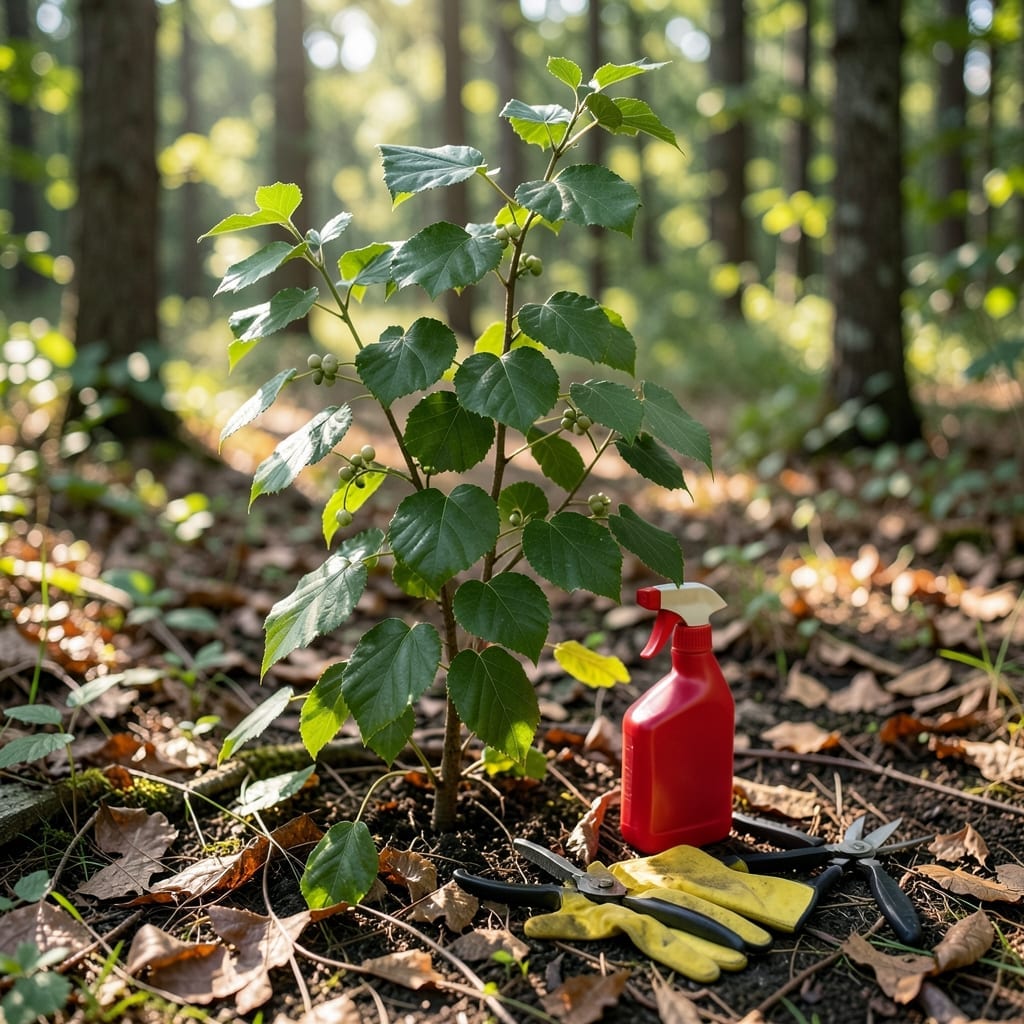
Poison ivy in your yard isn’t just an eyesore—it’s a 3-week itch waiting to happen. I’ve battled this plant more times than I care to admit, and I’ve learned what actually stops it in its tracks.
The key is attacking it at the root, not just the leaves. Most people make the mistake of pulling it without protection, only to regret it later. There’s a smarter way that dries it up completely without the risk.
You’ll see the leaves wilt within 24-48 hours, and the roots give up soon after. No more spreading, no more rashes, and best of all—no more poison ivy coming back next season.
Works in gardens, along fences, or anywhere this pest has taken hold. Here’s how to handle it safely and effectively.
Poison ivy (Toxicodendron radicans) thrives due to a mix of environmental, biological, and human-driven factors. Understanding these causes helps you target the root of the problem for faster eradication and relief.
Poison ivy spreads aggressively through underground rhizomes, a network of horizontal stems that sprout new shoots. Even if you remove visible plants, dormant rhizomes can regenerate vines within weeks. These rhizomes store energy, allowing the plant to bounce back quickly after disturbances like mowing or partial uprooting.
The plant’s leaves, stems, and roots produce urushiol, an oily resin that triggers allergic contact dermatitis in 80-90% of people. This oil serves as a defense mechanism, deterring animals from eating it. However, its potency means even indirect contact (via tools, pets, or clothing) can spread irritation, making the plant harder to control.
Poison ivy flourishes in disturbed soils, edges of forests, and areas with partial sunlight. It outcompetes weaker plants in nutrient-rich, moist soil, often dominating fence lines, garden borders, or unused land. Its adaptability to both dry and wet conditions makes it a persistent invader.
Unintentional human actions accelerate its spread. Tilling soil can break rhizomes into fragments, each capable of growing a new plant. Improper disposal of pulled vines (e.g., composting or burning) may also reintroduce urushiol into the environment, causing re-infestation or airborne irritation.
When poison ivy strikes, fast action is key to drying up the rash and stopping the spread. Here’s how to tackle each issue head-on:
To dry up poison ivy blisters fast, start by washing the affected area with cool water and soap (like Tecnu or Fels-Naptha) to remove the plant’s oils. Apply calamine lotion or a hydrocortisone cream to reduce itching and inflammation. For severe cases, an oral antihistamine (like Benadryl) can help. Pro tip 💡: Oatmeal baths soothe skin and speed up healing.
To prevent regrowth, eradicating the plant is a must. Wear long sleeves, gloves, and eye protection, then pull poison ivy from the root (use a tool, not your hands). For stubborn patches, apply a vinegar and salt solution (1 gallon vinegar + 1 cup salt + 1 tbsp dish soap) or a glyphosate-based herbicide (follow label instructions). Pro tip 🎯: Bag and dispose of all plant material—never burn it (inhaling smoke can cause severe lung irritation).
Poison ivy’s oil (urushiol) lingers on clothes, tools, and pet fur. Wash everything that may have touched the plant with soap and hot water. Shower immediately after exposure, and avoid scratching—it can spread oils to other body parts. Pro tip ✨: Use rubbing alcohol to wipe down tools or surfaces that may have urushiol residue.
Prevention is your best defense:
Vinegar and salt solutions start wilting leaves within 24-48 hours. Full root death takes 1-2 weeks, depending on plant size and solution strength.
Glyphosate kills most plants it touches. Use a shield or paint it directly on leaves to protect nearby vegetation. Always follow label instructions.
Wash with cool water and soap immediately, then apply hydrocortisone cream. Oral antihistamines can reduce itching within 30-60 minutes.
Never compost poison ivy. The urushiol oil remains active and can contaminate your compost. Bag and dispose of all plant material with household trash.