
Beautiful Plants For Your Interior
Beautiful Plants For Your Interior
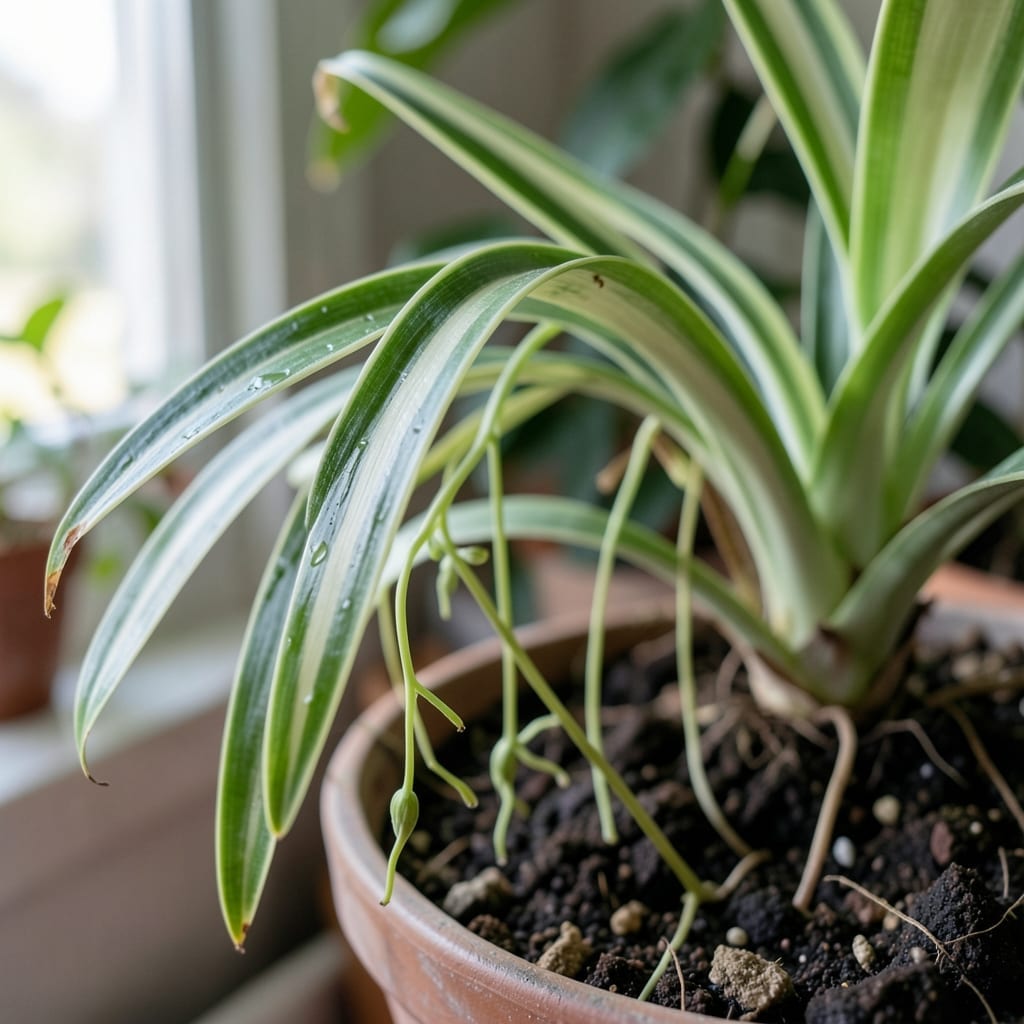
Your spider plant looks like it’s given up, but don’t write it off yet. I’ve saved more than a few from the brink with a simple rescue routine that works every time.
The droop is usually the first sign of too much water, followed by yellowing leaves and mushy roots. Most people panic and water more—exactly the wrong move. Stop watering immediately and let the soil dry out completely.
After 2-3 days without water, check the roots. Healthy ones are white and firm; rotten ones are brown and slimy. Trim the bad ones, repot in fresh soil, and hold off on watering for a week.
Your plant will perk up within 7-10 days if the roots weren’t too far gone. Prevention is easier than rescue: water only when the top inch of soil is dry.
Overwatering is the most common cause of drooping in spider plants, but the underlying mechanisms are often misunderstood. Here’s a breakdown of the science behind the problem:
Spider plants (Chlorophytum comosum) thrive in well-draining soil. When overwatered, the soil becomes waterlogged, displacing oxygen in the root zone. Roots require oxygen for cellular respiration—a process that fuels growth and nutrient uptake. Without it, roots suffocate, weaken, and fail to absorb water or nutrients, leading to wilting and drooping foliage despite the excess moisture.
Stagnant, soggy soil creates the perfect breeding ground for Phytophthora and Pythium—pathogenic fungi that cause root rot. These microbes attack the plant’s root system, turning healthy white roots into mushy, blackened masses. As roots decay, they lose their ability to transport water and nutrients, resulting in limp, yellowing leaves. Visible signs often include a foul odor from the soil and roots that easily detach when touched.
Overwatering disrupts the plant’s internal water balance. Normally, roots absorb water via osmosis, moving it from an area of high concentration (soil) to low concentration (root cells). When soil is constantly saturated, the concentration gradient reverses, and water exits the roots instead of entering them. This causes cells in the leaves and stems to lose turgor pressure, leading to the characteristic droop.
Repeated overwatering can compact the soil, reducing pore space and further restricting oxygen flow. In dense, airless soil, even a healthy spider plant struggles to maintain vigorous growth. Compacted conditions also slow drainage, perpetuating the cycle of waterlogging and root stress.
If your spider plant is drooping from overwatering, quick action can save it. Here’s how to fix each issue and prevent future problems.
Pause all watering to let the soil dry out. Remove the plant from its pot and gently shake off excess water. Place it in a dry, shaded spot for 24–48 hours to allow the roots to breathe.
Prevention tip: Always check the top inch of soil—water only when it feels dry. 💡
If the soil smells sour or roots look mushy, repot the plant. Trim any black or slimy roots with clean scissors, then place it in a clean pot with fresh, well-draining soil. A mix of potting soil and perlite works best.
Prevention tip: Use pots with drainage holes to avoid soggy soil. ✨
Snip off yellow or limp leaves to redirect energy to healthy growth. Sterilize your tools with rubbing alcohol to prevent infection.
Prevention tip: Regularly inspect leaves for early signs of distress. 🎯
Move the plant to bright, indirect light to speed up recovery. Avoid direct sun, which can stress it further. If humidity is low, mist the leaves lightly or use a pebble tray.
Prevention tip: Group plants together to create a humid microclimate. 🌡️
With these steps, your spider plant should perk up in 1–2 weeks. Stay consistent with care, and it’ll thrive!
With proper care, most spider plants show improvement in 7-10 days. Full recovery may take 2-3 weeks depending on root damage. Be patient and avoid overwatering during this period.
Look for drooping leaves, yellowing foliage, and soil that stays soggy for days. A foul odor from the pot is another red flag.
Yes, if caught early. Trim all mushy, black roots and repot in fresh, dry soil. Water only when the top 1-2 inches of soil are dry.
Typically every 1-2 weeks, but always check the soil first. Stick your finger in—if it feels dry at the top, it’s time to water.