
Beautiful Plants For Your Interior
Beautiful Plants For Your Interior
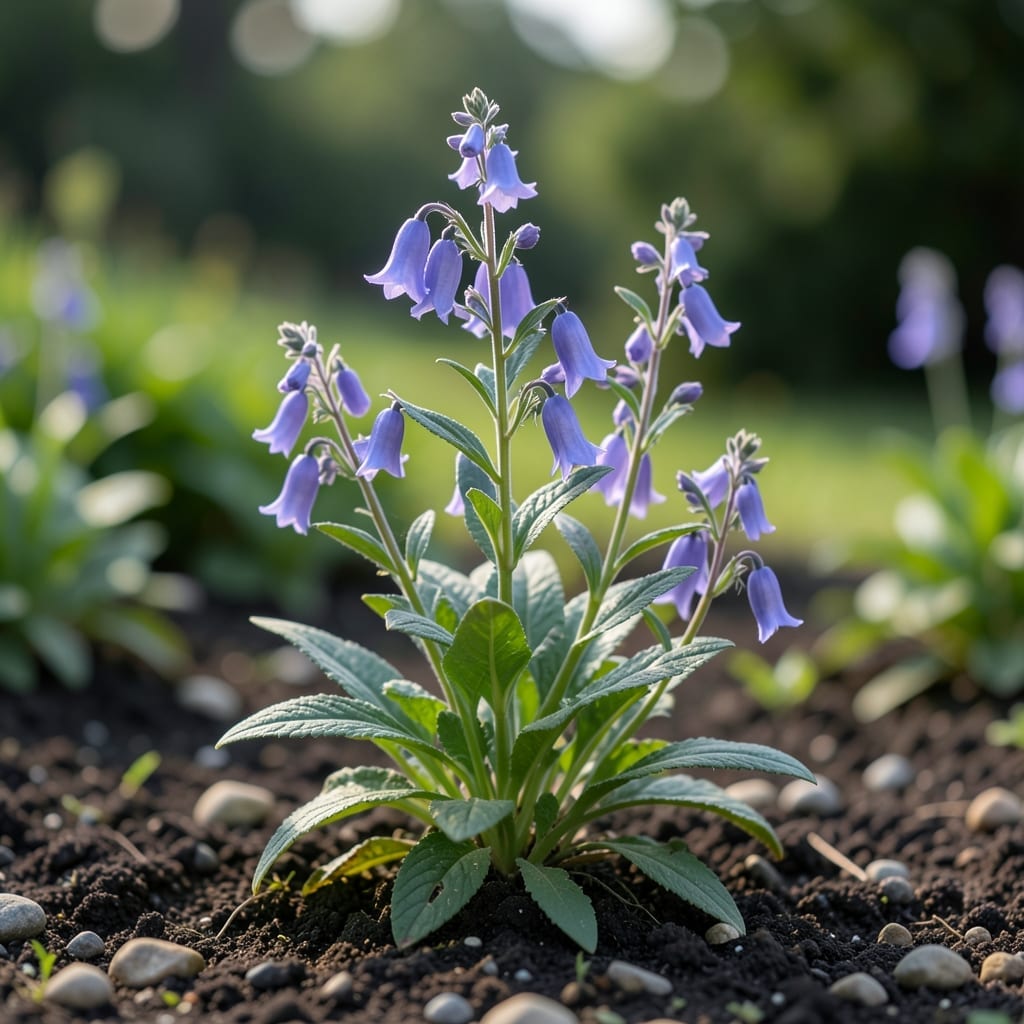
Shade gardens need that certain something to stand out. I found mine in the graceful arcs of drooping bell flowers, their delicate purple blooms nodding like tiny chandeliers in the breeze.
This isn’t your typical sun-worshipper. It thrives where others struggle, under tree canopies and along north-facing walls, turning dim corners into colorful focal points with minimal effort.
Once established, they spread gently without becoming invasive. You’ll get weeks of blooms from late spring through summer, with foliage that stays attractive even after flowering.
Perfect for borders, woodland gardens, or cascading over low walls. Here’s how to make them shine in your space.
The graceful droop of the bell flower (Campanula spp.) is a natural adaptation, but several biological and environmental factors can influence its downward-facing habit. Here’s a breakdown of the primary causes:
Bell flowers exhibit positive gravitropism, meaning their growth direction is influenced by gravity. The stems and flower buds naturally bend downward as they mature, ensuring the bell-shaped blooms hang facing the ground. This trait helps protect pollen from rain and may aid in pollinator access.
The flower’s heavy, bell-shaped corolla causes the stem to arch under its weight. As the blooms develop, the uneven distribution of mass pulls the stem tip downward, creating the signature droop. Thinner or weaker stems may accentuate this effect, especially in varieties with larger flowers.
Insufficient water can reduce turgor pressure in plant cells, leading to wilting and exaggerated drooping. Conversely, overwatering may weaken stem structure, making it unable to support the flower’s weight. Consistent moisture levels help maintain stem rigidity.
While bell flowers thrive in partial shade, they may droop further if grown in low-light conditions. The plant stretches toward light sources, and the combination of elongated stems and gravity enhances the downward cascade. Ensuring dappled sunlight can promote healthier, more upright growth.
If your bell flowers are drooping, quick action can restore their beauty. Below are targeted fixes for the most common causes, plus prevention tips to keep them thriving.
Dry soil is a frequent culprit. Give your plant a deep watering at the base until the top 2 inches of soil are moist. Water in the early morning to reduce evaporation. Prevention: Check soil moisture weekly—stick your finger in the dirt. If it feels dry an inch down, it’s time to water.
Bell flowers prefer partial shade. If leaves look scorched or wilted, relocate pots to a shadier spot or add a shade cloth for garden plants. Prevention: Plant in east-facing beds or under taller plants for natural dappled light.
Drooping paired with spots or mold signals fungus. Remove affected foliage and space plants farther apart for better airflow. Apply a fungicide if needed. Prevention: Water at the base (not overhead) and avoid soggy soil.
Compact or nutrient-poor soil weakens plants. Mix in compost or peat moss to improve drainage and fertility. Feed with a balanced fertilizer monthly in growing season. Prevention: Refresh soil annually with organic matter.
Pro tip 💡: Mulch around the base to retain moisture and regulate soil temperature—just keep it 2 inches away from stems to prevent rot.
It thrives in partial shade, tolerating 4-6 hours of morning sun. Avoid harsh afternoon rays which can scorch leaves. Dappled light under trees works perfectly.
Use well-draining, humus-rich soil with a slightly acidic to neutral pH (6.0-7.0). Amend heavy clay with compost for better drainage and fertility.
Keep soil consistently moist but not soggy. Water when the top 1-2 inches feel dry, about 1-2 times per week depending on weather.
Expect cascading bell-shaped flowers from late spring through summer. Deadhead spent blooms to encourage a second flush in early fall.