
Beautiful Plants For Your Interior
Beautiful Plants For Your Interior
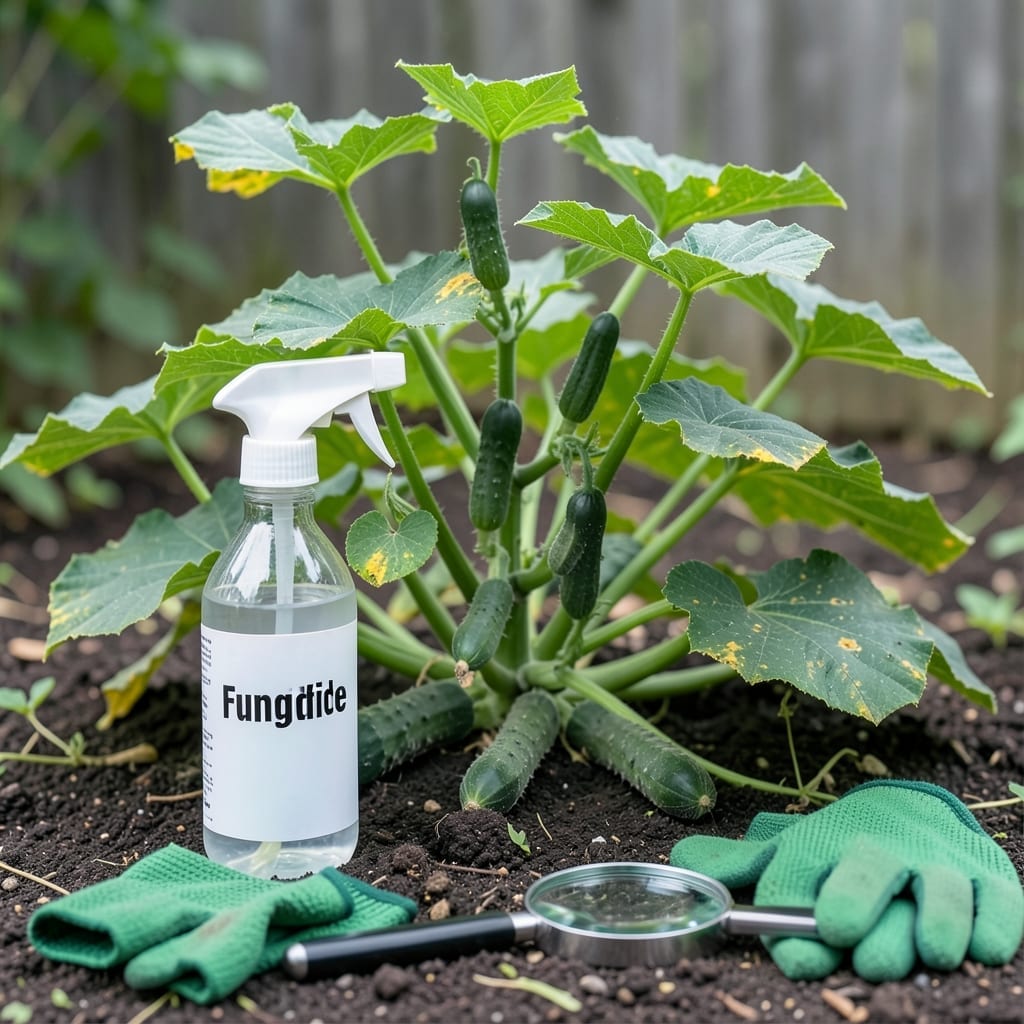
Yellow splotches on leaves last week, fuzzy gray growth this morning. Downy mildew spreads fast, but I’ve stopped outbreaks in 48 hours with simple, natural fixes that don’t harm plants or pollinators.
This isn’t about blame—it’s about humidity and airflow. My cucumbers, roses, and basil used to suffer until I learned the early signs: pale spots on top, purplish fuzz underneath. Catch it early and the cure is straightforward.
You’ll see leaves clear up within days, new growth comes in clean and healthy, and the cycle breaks before it spreads to neighbors. No fancy equipment, just consistent action with household items.
Works for vegetables, flowers, and houseplants alike. Here’s how to turn the tide.
Downy mildew thrives under specific environmental conditions, often catching gardeners off guard. Understanding its root causes helps you prevent and tackle it effectively.
This fungal-like disease Plasmopara spp. flourishes in damp environments. Prolonged leaf wetness—from rain, overhead watering, or high humidity (above 85%)—creates the perfect breeding ground. Water droplets on leaves provide the moisture needed for spores to germinate and infect plant tissues.
Unlike many fungi that prefer warmth, downy mildew thrives in cool, wet conditions (59–75°F or 15–24°C). Nighttime temperature drops with daytime humidity spikes accelerate its spread, making spring and fall high-risk seasons for susceptible plants like cucumbers, lettuce, and grapes.
Crowded plantings or dense canopies trap moisture and limit airflow, allowing spores to settle and multiply. Prune regularly and space plants properly to improve ventilation. Pro tip: Avoid planting in shaded, stagnant areas where air movement is minimal.
Some plants are genetically predisposed to downy mildew. Varieties like basil, spinach, and roses are common targets. Choose resistant cultivars (e.g., downy mildew-resistant cucumbers) whenever possible to reduce vulnerability.
Watering from above wets foliage, extending the leaf surface moisture time. Switch to drip irrigation or soaker hoses to deliver water directly to the soil, keeping leaves dry and less inviting to spores.
Downy mildew can be stubborn, but with the right approach, you can restore your plants to health. Here’s how to tackle the problem based on its root cause:
Stagnant air traps moisture, creating the perfect breeding ground for downy mildew. Fix it by pruning dense foliage to allow airflow. Space plants further apart if they’re overcrowded. For indoor plants, use a small fan on low to keep air moving gently. Prevention tip 💡: Avoid planting in shaded, enclosed areas where humidity lingers.
Overwatering or wet foliage is a common trigger. Fix it by watering at the base of the plant early in the day, so leaves dry quickly. Switch to drip irrigation if you’re using overhead sprinklers. If potting mix stays soggy, repot with a well-draining soil blend. Prevention tip 🌡️: Use a moisture meter to avoid guesswork—only water when the top inch of soil is dry.
If the soil harbors spores, your plants will keep getting reinfected. Fix it by removing the top layer of soil and replacing it with fresh, sterile mix. For a natural treatment, mix a tablespoon of baking soda and a teaspoon of liquid soap in a gallon of water, then drench the soil. Prevention tip ✨: Rotate crops yearly to prevent pathogen buildup in the soil.
Stressed plants are more vulnerable. Fix it by applying a balanced, organic fertilizer to strengthen them. Neem oil or compost tea can also enhance their natural defenses. Remove heavily infected leaves or stems to stop the spread. Prevention tip 🎯: Keep plants healthy with regular feeding and proper sunlight—strong plants fend off diseases better.
Combine these fixes with consistent care, and your garden will bounce back faster than you think!
With proper treatment, you should notice new growth coming in clean within 3-5 days. Existing spots won’t disappear but will stop spreading. Full recovery typically takes 1-2 weeks for most plants.
Baking soda or neem oil solutions can be effective for mild cases. For severe infections, commercial copper-based fungicides may work faster. Always apply in the evening to avoid leaf burn.
Most strains are host-specific, so your roses won’t infect your cucumbers. However, some varieties like basil and lettuce can share spores. Isolate affected plants to prevent cross-contamination.
Hot compost piles (reaching 140°F+) will kill spores. For small piles, bag and discard infected material to avoid reinfection. Never compost severely diseased plants in cold piles.