
Beautiful Plants For Your Interior
Beautiful Plants For Your Interior
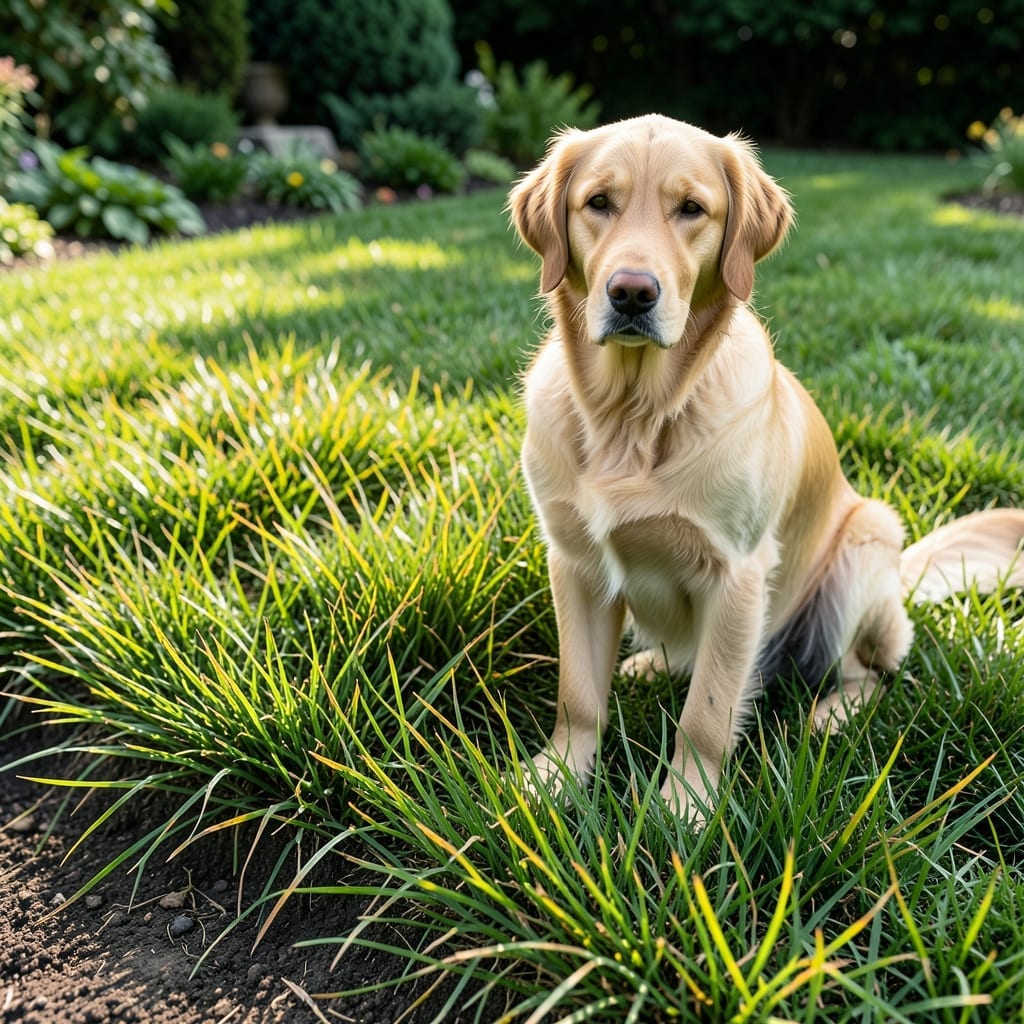
My golden retriever nearly ate a mouthful of ornamental grass last summer. Turns out, some varieties are highly toxic to dogs, causing vomiting or worse.
I learned the hard way that what looks harmless in your yard might be dangerous. The solution isn’t just removal—it’s knowing which plants to replace them with and how to keep your pup safe long-term.
You’ll spot the risky types by their thin, blade-like leaves and clumping growth. Once identified, there are pet-safe ways to eliminate them without chemicals.
This approach works for any yard size, and the peace of mind is immediate. No more worrying every time your dog sniffs around the garden.
Understanding why your dog’s urine or activity harms your grass is the first step to solving the problem. Here are the primary causes, explained simply with actionable insights:
Dog urine contains urea, a nitrogen-rich compound that acts as a natural fertilizer in small amounts. However, the high concentration in urine can burn grass, causing yellow or brown patches. This is especially true for female dogs, whose urine tends to be more concentrated due to squatting in one spot.
Urine is slightly acidic, with a pH around 6.0–6.5. Over time, repeated exposure can lower the soil’s pH, making it too acidic for grass to thrive. Healthy lawns typically need a pH between 6.0–7.0. Testing your soil’s pH and amending it with lime can help restore balance.
Dog urine also contains salts and minerals like sodium, potassium, and chloride. These can accumulate in the soil, drawing moisture away from grass roots and creating a toxic environment. This is why patches often appear in high-traffic areas where dogs frequently urinate.
Beyond urine, dogs can physically damage grass by digging, rolling, or running in the same spots. This compacts the soil and tears up roots, making it harder for grass to recover. Training your dog to use a designated area or reinforcing vulnerable spots with durable ground cover can help.
If your dog’s urine is turning your lawn into a patchy wasteland, don’t despair. Here’s how to revive your grass and prevent future damage with simple, pet-safe solutions.
Act fast after your dog goes. Rinse the area with water to dilute the nitrogen in the urine. For stubborn spots, mix 1 part white vinegar to 1 part water and pour it over the affected grass. This balances the pH and reduces burning. Avoid bleach or harsh chemicals—they’ll harm your lawn and your pup.
Some grass types handle dog urine better than others. Opt for hardy varieties like:
Seed bare spots in early fall or spring for best results.
Designate a gravel or mulch area for your dog to do their business. Use positive reinforcement (treats and praise) to encourage them to use the new spot. If that’s not an option, walk your dog more frequently to reduce urine concentration in one area.
Prevention is key. Keep your lawn lush and resilient with these habits:
For extra protection, apply a gypsum treatment (follow package instructions) to neutralize urine salts already in the soil.
Tall fescue, perennial ryegrass, and Kentucky bluegrass handle urine best. These deep-rooted varieties recover quickly and resist burning from nitrogen.
Rinse with water immediately, or use a 1:1 vinegar-water mix. This dilutes nitrogen and balances pH without harming your lawn.
Yes, lime can restore balance if soil becomes too acidic. Test pH first—healthy lawns need 6.0–7.0. Apply as directed for best results.
Watering 2–3 times weekly flushes out salts and nitrogen. Aim for deep soaking to reach roots effectively.