
Beautiful Plants For Your Interior
Beautiful Plants For Your Interior
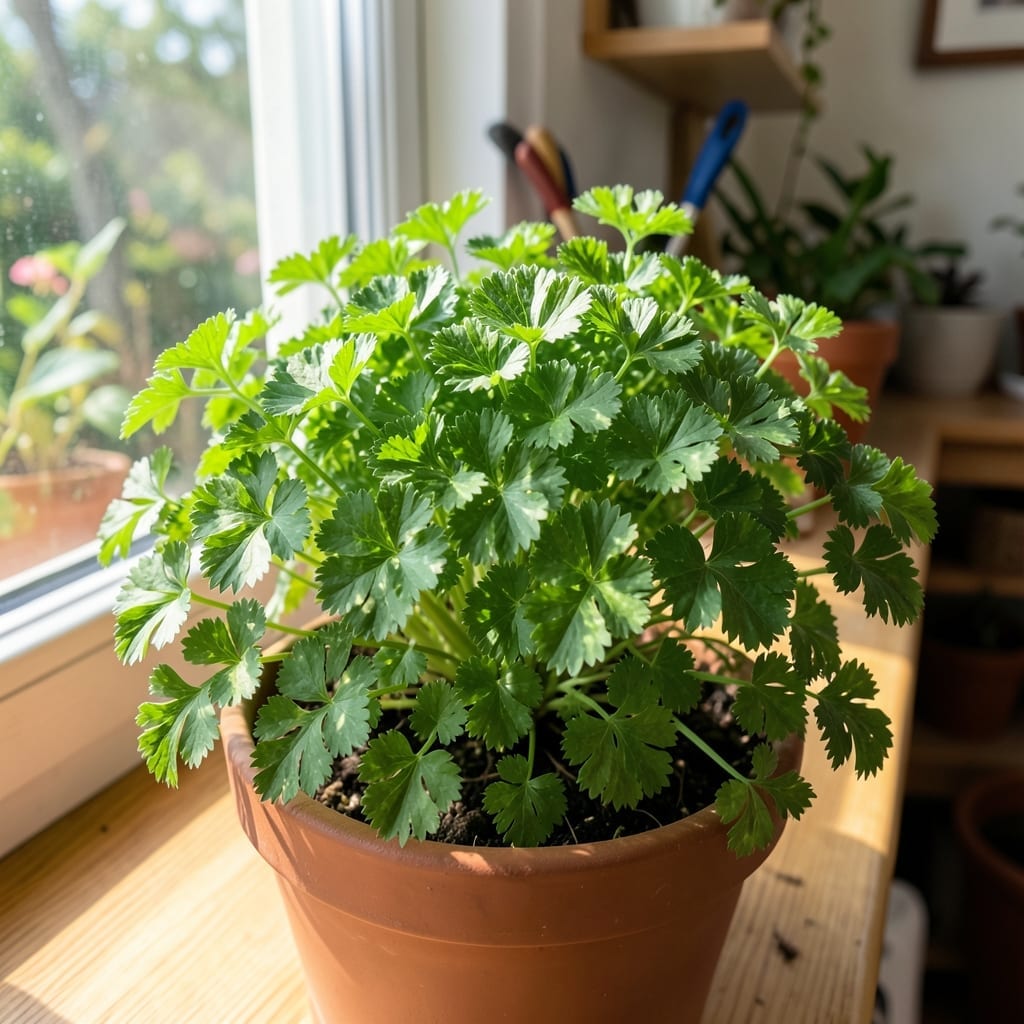
Parsley bolts when it produces flowers and seeds, typically triggered by heat, stress, or maturity. This causes leaves to turn bitter and reduces harvestable foliage.
I notice this often happens in my garden when summer temperatures spike above 80°F. The plant shifts energy toward reproduction, sacrificing leaf quality. Regular harvesting of outer stems and providing afternoon shade can delay this process significantly. 🔥
Early signs include tall, spiky shoots emerging from the center of the plant. Once you see these, it’s time to act fast or prepare for a decline in flavor. ✨
💡 In This Article
Bolting is parsley’s survival mechanism, a biological shift triggered by environmental stress or maturity. When exposed to temperatures above 80°F for prolonged periods, the plant interprets this as a signal to reproduce rather than grow foliage. The process begins with the elongation of the main stem, followed by the emergence of flower clusters.
Day length also plays a critical role. Parsley is a biennial, meaning it naturally bolts in its second year, but heat and long daylight hours can accelerate this in the first season. Stressors like inconsistent watering or poor soil conditions further push the plant toward this reproductive phase. 🔥
As bolting progresses, the plant redirects energy from leaf production to seed development. This causes the leaves to become smaller, tougher, and increasingly bitter due to higher concentrations of terpenes and other compounds. The stems thicken and turn woody, making them less palatable for culinary use.
In my experience, parsley grown in partial shade or with consistent moisture stays in its leafy, vegetative stage far longer. This is because the plant doesn’t sense the urgency to reproduce. However, even with ideal conditions, mature plants will eventually bolt as part of their natural lifecycle.
What many gardeners don’t realize is that bolting parsley isn’t dead—it’s just prioritizing survival through seed production. Once flowering begins, the leaves lose their mild, fresh flavor and take on a stronger, almost medicinal taste that’s less desirable in dishes. ✨
Watch for tall, central stems growing rapidly above the foliage. These will develop small flower clusters at the tips. Leaves may also become smaller and more bitter as the plant shifts energy to reproduction.
Yes, but expect a stronger, more bitter flavor. The leaves remain safe to eat, though less pleasant for culinary use. Harvest any usable foliage quickly before it becomes too tough or woody.
Removing flower stems can delay the process, but it won’t reverse it entirely. The plant will continue trying to reproduce. For best results, combine this with shade and consistent watering to extend leaf production.
Heat above 80°F and long daylight hours trigger the plant’s reproductive instincts. These conditions signal the plant to produce seeds before potential drought or heat stress worsens. Shade cloth can help mitigate this.