
Beautiful Plants For Your Interior
Beautiful Plants For Your Interior
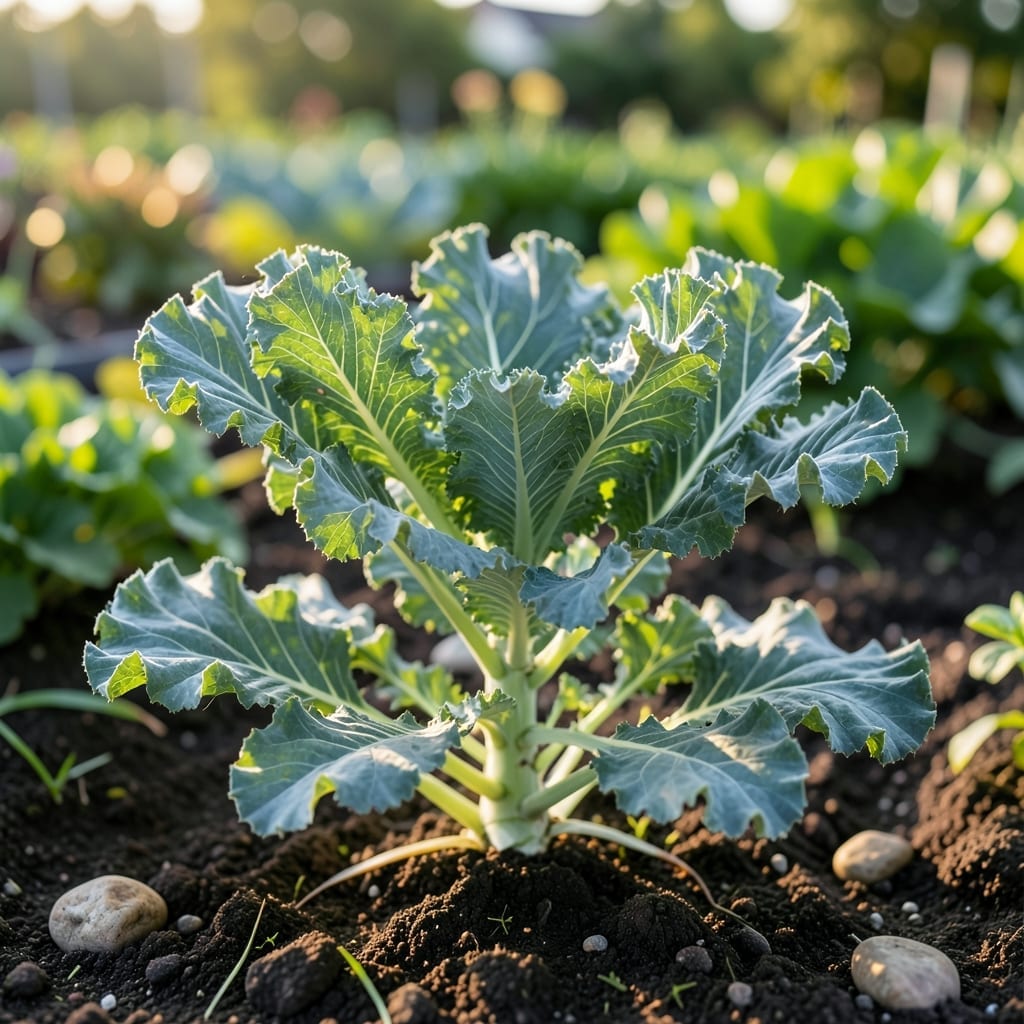
Kale is often hailed as a hardy, low-maintenance green, but its light requirements can make or break your harvest. Many gardeners assume full sun is mandatory, but 🥬 Kale might surprise you.
While it thrives with 6+ hours of sunlight, this resilient plant can tolerate partial shade. The key is understanding how light affects leaf quality and yield.
Let me show you exactly how to balance sun exposure for the healthiest Kale crop, whether you’re working with a sunny backyard or a shadier spot.

If you’re wondering whether kale needs full sun, the short answer is: it thrives best with 6+ hours of direct sunlight daily. This leafy green is adaptable, but sun exposure directly impacts its growth and flavor.
In my experience, full sun produces the most vibrant, robust leaves, while partial shade can work in hotter climates or during peak summer months. The key is finding the right balance for your garden’s conditions.
I’ve found that kale in full sun tends to develop deeper green or purple hues, depending on the variety. The extra sunlight enhances chlorophyll production, giving leaves a richer color and more nutrients.
However, in regions with intense summer heat, some afternoon shade can prevent leaf scorching. This is especially true for young plants that haven’t fully acclimated to the sun’s intensity.
For optimal growth, I recommend planting kale where it gets morning sun and some afternoon shade in hotter climates. This combo reduces stress while still providing enough light for robust growth.
The flavor also changes with sun exposure. Plants in full sun often develop a slightly peppery bite, while those in partial shade may taste milder and sweeter. Experiment to find your preference.
If you’re growing kale in containers, ensure they receive at least 6 hours of sun on a balcony or patio. Rotate pots regularly for even light distribution and healthier plants.
Remember that seasonal changes affect sunlight. In spring and fall, kale can handle more direct light, while summer might require some protection during the hottest part of the day.
In my garden, I’ve noticed that kale plants in partial shade grow a bit slower but produce tender leaves perfect for fresh eating. Those in full sun grow faster but may need more frequent watering to stay crisp.
Ultimately, while kale can tolerate partial shade, it will always perform best with plenty of sunlight. Aim for the sunniest spot you can provide for the most abundant harvest ☀️
While kale loves full sun, it can tolerate partial shade surprisingly well. I’ve grown healthy kale with just 4-6 hours of sunlight, especially in hotter regions where intense sun can stress plants.
In partial shade, kale grows slower but steadier, producing tender, sweeter leaves that many gardeners prefer for fresh salads. The reduced sunlight minimizes bitterness while keeping foliage soft and palatable.
Softer leaves perfect for fresh eating
Slower bolting in hot weather
Less water stress during peak heat
Slower growth rate overall
Potential for leggy stems
Lower yields compared to full sun
I notice my shaded kale plants often have lighter green leaves but maintain excellent texture. They’re ideal for gardeners who prioritize leaf tenderness over rapid growth or maximum harvest size.
To optimize partial shade, I recommend thinning seedlings to 12-18 inches apart for better air circulation. This prevents fungal issues that can arise in less sunlit, more humid conditions.
In my experience, morning sun with afternoon shade works best. This gives kale the light it needs for photosynthesis while protecting it from harsh midday rays that can cause wilting.
For the best results in shade, choose loose, fertile soil and maintain consistent moisture. These conditions help compensate for reduced sunlight, ensuring your kale still thrives 🌿