
Beautiful Plants For Your Interior
Beautiful Plants For Your Interior
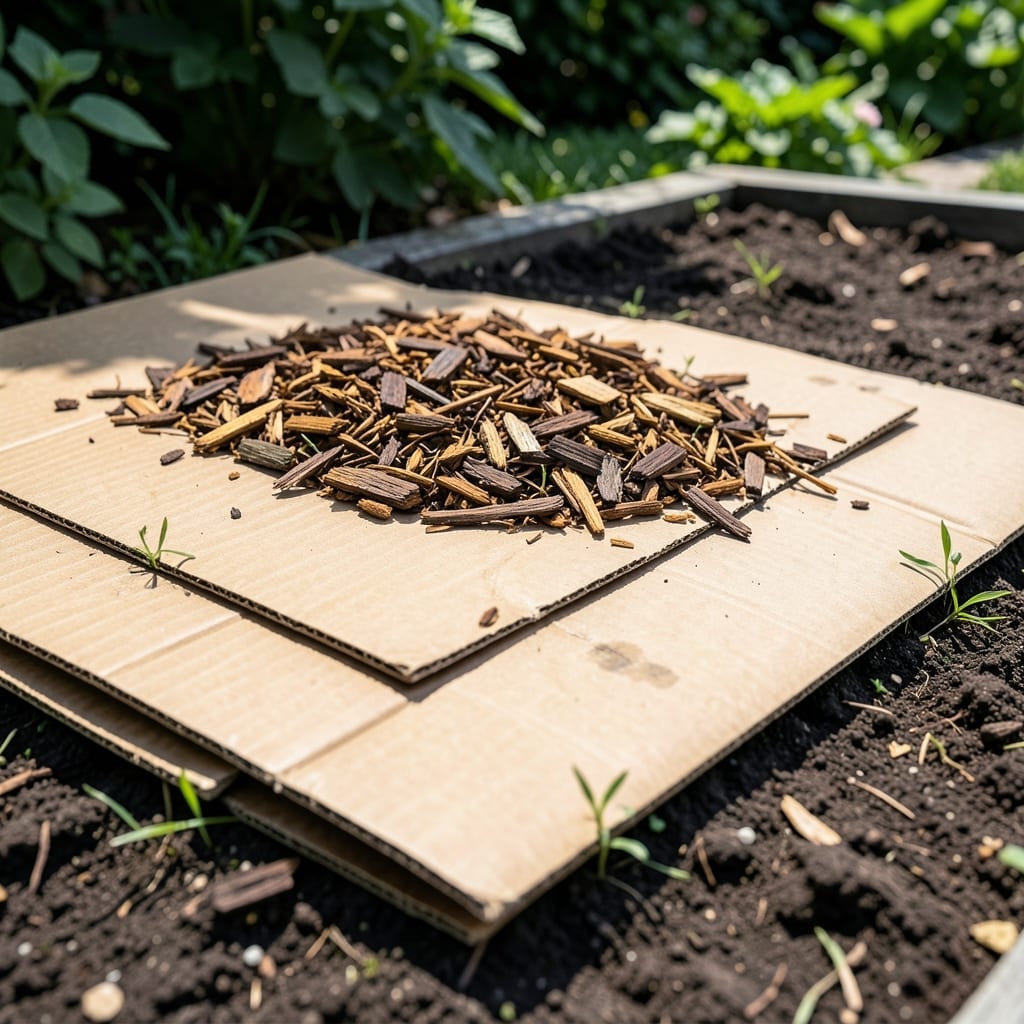
Yes, cardboard effectively blocks weeds by smothering them and preventing sunlight from reaching weed seeds, making it a popular organic mulching method.
This method works because the thick layers create a light-blocking barrier that starves existing weeds and stops new ones from sprouting. 🔥 I’ve used it in my garden beds with great success, especially when topped with 3-4 inches of mulch to help it break down naturally over time. The key is removing any tape or glossy ink first to avoid chemicals leaching into your soil.
💡 In This Article
The mechanism is simple but powerful: cardboard creates a light-blocking barrier that cuts off photosynthesis for existing weeds. Without sunlight, most weeds die within 2-4 weeks. This works because the dense fibers in cardboard prevent light penetration while still allowing water and air to pass through, unlike plastic sheeting which can suffocate the soil. 🔥
Cardboard also acts as a physical barrier against new weed seeds. Studies show that 90% of weed seeds need light to germinate. By covering the soil completely, you prevent these seeds from receiving the light trigger they need to sprout.
The typical corrugated cardboard is about 1/8 inch thick, which is sufficient to block all visible light wavelengths.
As the cardboard decomposes, it adds organic matter to your soil. This process typically takes 3-6 months, depending on moisture and temperature. During this time, earthworms and beneficial microbes break down the cellulose, improving soil structure. Unlike black plastic, which must be removed, cardboard simply becomes part of your garden ecosystem. ✨
The decomposition rate varies by cardboard type. Plain brown cardboard breaks down fastest, while wax-coated or glossy boxes may take up to 12 months. For best results, use plain cardboard without dyes or adhesives. This ensures you’re not introducing potential toxins into your garden soil.
Compared to other organic mulches like straw or wood chips, cardboard provides more complete weed suppression. While straw might let some light through, properly lapped cardboard creates a nearly 100% light-blocking surface. This makes it particularly effective for new garden beds or paths where you want to establish weed-free areas quickly. 💫
Plain brown cardboard typically breaks down in 3-6 months under normal garden conditions. Wax-coated or glossy types may take up to 12 months, depending on moisture and temperature levels.
Remove all non-paper elements like tape, staples, or glossy ink to prevent chemicals from leaching into your soil. These materials can also slow decomposition and may harm plants.
Overlap sheets by at least 6 inches and secure edges with garden staples or heavy rocks. Cover with 3-4 inches of mulch immediately to add weight and improve appearance.
It’s best to avoid it. Colored inks often contain heavy metals or toxins that may leach into your soil. Stick to plain, unbleached cardboard for the safest and most effective weed barrier.