
Beautiful Plants For Your Interior
Beautiful Plants For Your Interior
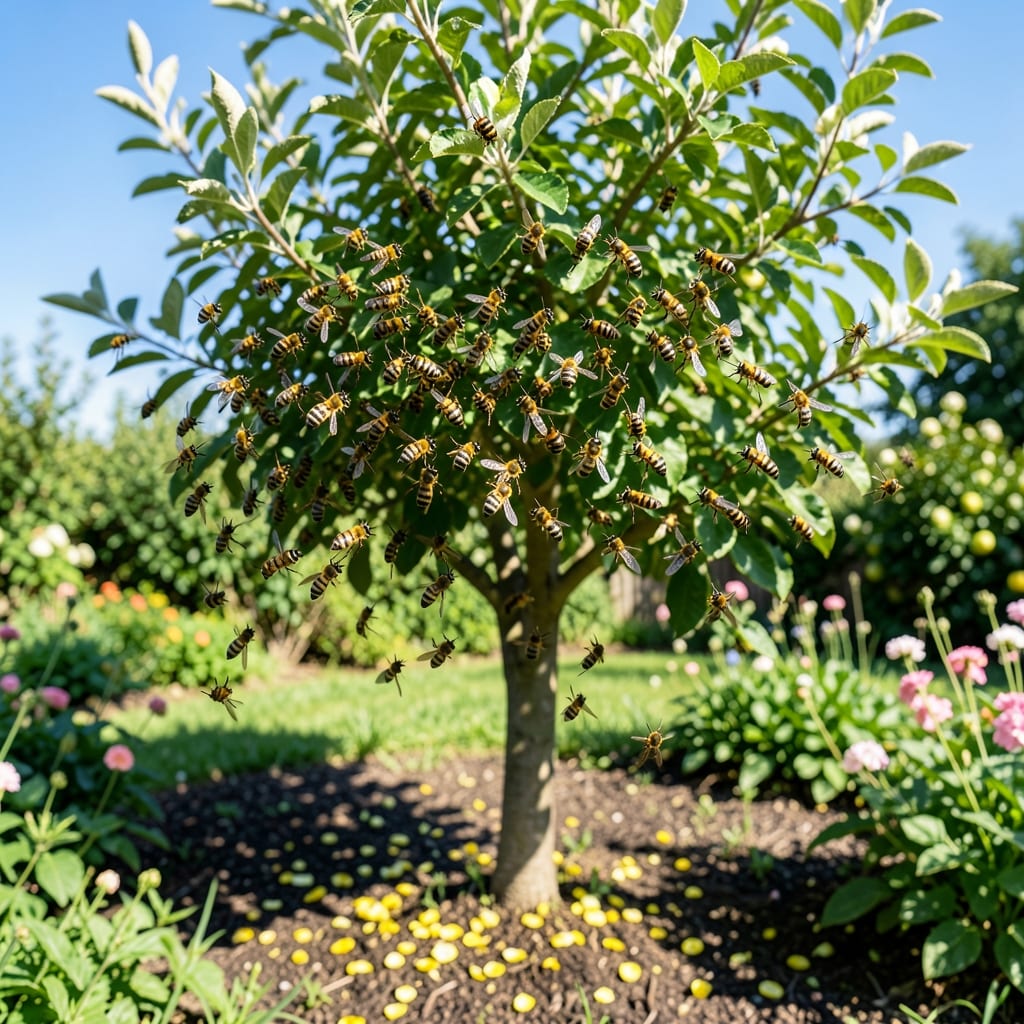
Yellow jackets do swarm, especially in late summer when colonies peak. They become highly aggressive, attacking in large numbers if their nest is disturbed or food sources are scarce.
I’ve seen firsthand how these insects shift from solitary foragers to coordinated defenders as their population explodes. Late summer is peak time because that’s when new queens and males emerge, creating intense competition. Their swarms aren’t random—they’re a calculated response to perceived threats, like vibrations near their nest or sugar-rich foods left uncovered. ✨
💡 In This Article
Yellow jackets swarm as a colony defense mechanism triggered by pheromones. When one wasp senses danger, it releases a chemical signal that rallies others within 100 feet. This creates a rapid, coordinated response that can escalate to hundreds of stinging insects in 30 seconds or less. 🔥
Seasonal population boom drives this behavior. Colonies start with a single queen in spring but grow to 4,000-5,000 workers by late summer. As food becomes scarce, they shift from hunting to scavenging, becoming more aggressive near human food sources like picnics or trash cans. ⚡
What triggers the swarm? Vibrations from lawnmowers, footsteps, or even loud noises near their underground nests. Unlike bees, yellow jackets can sting repeatedly, making their group attacks particularly dangerous. Their nests, often hidden in rodent burrows or wall voids, contain multiple combs that house thousands of larvae needing constant protection. ✨
Temperature also plays a role. On warm days above 80°F, wasps are more active and likely to swarm. Cool temperatures make them sluggish, which is why professionals often treat nests at dawn or dusk when they’re less aggressive. This biological rhythm gives you a strategic window for safe removal. 💫
Their swarming isn’t just defensive—it’s also opportunistic. Yellow jackets communicate food locations through scent trails, leading to mass gatherings at protein and sugar sources. This is why they’re especially problematic at outdoor events during late summer when natural prey becomes limited. 🌟
Vibrations near their nest, like footsteps or lawnmowers, can trigger a swarm. They also release pheromones that rally others within 100 feet when they sense danger.
A swarm can escalate to hundreds of wasps in 30 seconds or less. Their rapid, coordinated response makes them especially aggressive when defending their colony.
Yes, swarming peaks in late summer when colonies reach 4,000-5,000 workers. Warm days above 80°F also increase activity and aggression.
Unlike bees, yellow jackets can sting multiple times. This makes their group attacks particularly dangerous, especially if the nest is disturbed.
They communicate food locations through scent trails, leading to mass gatherings at sugar and protein sources. This is common at picnics or near trash cans.