
Beautiful Plants For Your Interior
Beautiful Plants For Your Interior
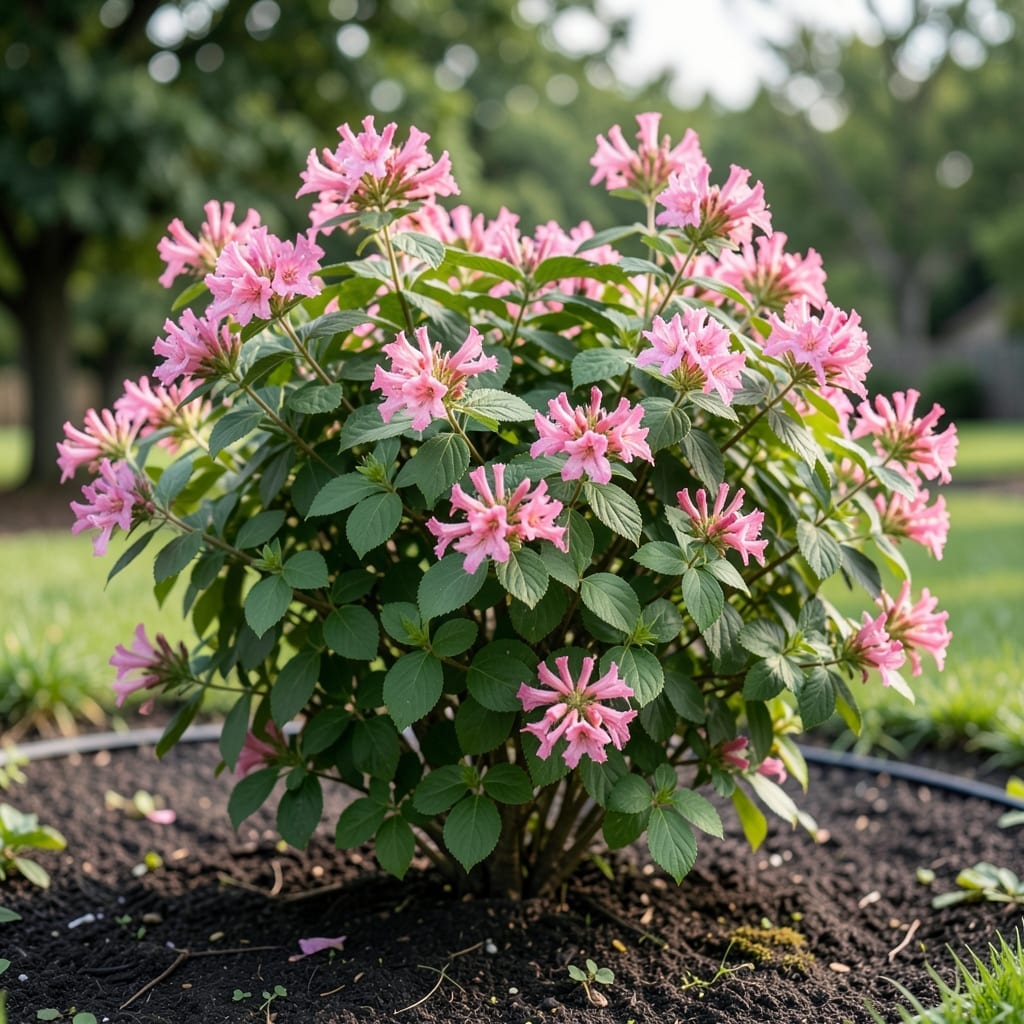
Weigela shrubs are deciduous, so they naturally shed all their leaves in winter as part of their seasonal cycle, entering dormancy until spring.
This leaf drop is a survival strategy to conserve energy during cold months. I’ve noticed that by late fall, the foliage turns yellow or bronze before falling, signaling the plant’s transition. Proper winter care, like adding 2-3 inches of mulch, helps protect roots from freezing temperatures. ⚡
What’s fascinating is how this dormancy period allows the shrub to redirect resources to root development, ensuring vigorous growth when warmer weather returns. 💫
💡 In This Article
Weigela’s leaf drop is triggered by shortening daylight and dropping temperatures in fall. As days grow shorter, the plant detects the seasonal shift through photoreceptors in its leaves. This signals the production of abscisic acid, a hormone that starts the leaf-shedding process.
The leaves change from green to shades of yellow, bronze, or red as chlorophyll breaks down, revealing other pigments that were present all along. 🔥
The actual leaf drop mechanism involves the formation of a separation layer at the base of each leaf stem. Cells in this abscission zone expand and break apart, creating a clean detachment point. This process typically begins when temperatures consistently drop below 50°F (10°C) and completes before the first hard frost.
The timing varies by cultivar, with some varieties holding their leaves longer than others. ✨
Once bare, the weigela enters true dormancy, a state of suspended growth. The plant’s metabolism slows dramatically, with water and nutrient uptake reducing by up to 90%. This energy conservation is crucial for survival in freezing temperatures.
The shrub’s buds, which contain next year’s leaves and flowers, are protected by tough scales that resist cold damage. 💫
What’s particularly clever about this adaptation is how it prevents water loss. Without leaves, the plant avoids transpiration—the process where water evaporates from leaf surfaces. In winter, frozen soil would make water replacement impossible, so shedding leaves prevents potentially fatal dehydration.
This is why even evergreen plants in cold climates have special adaptations to reduce water loss. ⚡
During this dormant period, the weigela isn’t just waiting out the cold—it’s actively preparing for spring. The plant stores carbohydrates in its roots and stems, which will fuel the burst of new growth when temperatures rise.
This is why proper winter care, like maintaining consistent soil moisture without waterlogging, is so important for the health of your shrub. 🌟
Yes, all weigela shrubs are deciduous and will naturally shed leaves in winter. This includes popular cultivars like Wine & Roses and Variegata. The timing may vary slightly, but complete leaf drop is expected in cold climates.
Weigela leaves often change to bronze, gold, or reddish-purple before dropping. This color change signals the breakdown of chlorophyll as the plant prepares for dormancy. The intensity varies by variety and weather conditions.
If leaves drop before winter due to stress, the shrub won’t regrow them until spring. Focus on addressing the cause (like drought or pests) rather than expecting new growth during dormancy. Proper care ensures strong regrowth next season.
Check for green under the bark on stems—this indicates life. Dormant shrubs have flexible branches, while dead ones are brittle. Wait until spring to assess; weigelas often look lifeless in winter but bounce back.