
Beautiful Plants For Your Interior
Beautiful Plants For Your Interior
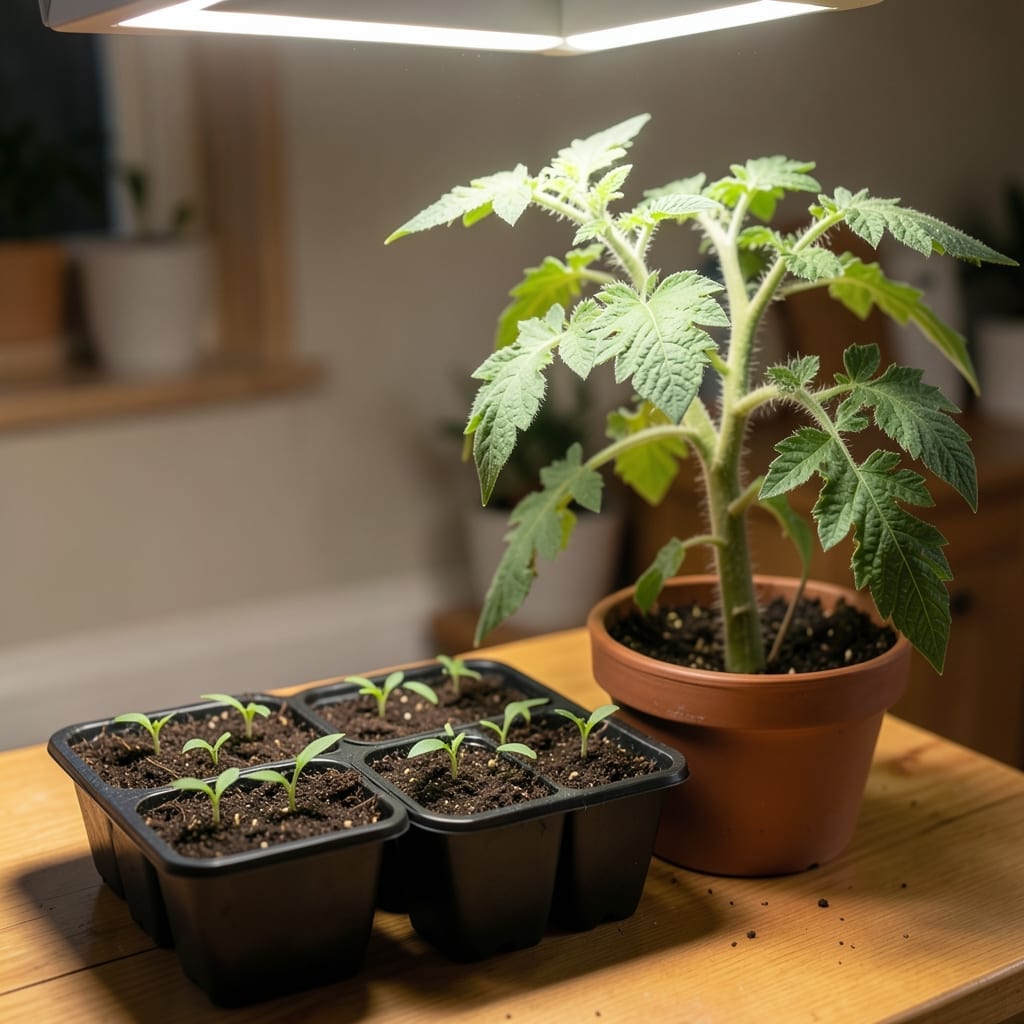
Tomato seeds hold the promise of a bountiful 🍅 harvest, but their journey from dormancy to sprouting depends on more than just water and soil. The role of light in germination sparks debate among gardeners, yet science offers clear answers.
Many assume all seeds need sunlight to start growing, but with tomatoes, the truth might surprise you. Understanding these early-stage requirements can make or break your success.
Discover the essential conditions that help your Tomato seeds thrive from the very beginning. Let me show you what really matters for strong, healthy sprouts.


As a gardener, I often hear the question: do tomatoes need light to germinate? The answer might surprise you. Unlike some seeds, tomato seeds are not photoblastic, meaning they don’t require light to sprout.
In fact, tomato seeds germinate best in darkness. Light can actually inhibit their germination process. This is because tomato seeds are positively photoblastic in the sense that darkness triggers their growth hormones more effectively.
🌱 Key Takeaway
Tomato seeds do not need light to germinate. Darkness is actually preferred, and light exposure can sometimes delay sprouting.
Science tells us that tomato seeds belong to a group that germinates best when covered with soil. This mimics their natural environment, where seeds are buried and protected from light until they’re ready to emerge.
I always recommend planting tomato seeds about 1/4 inch deep in moist, well-draining soil. This depth ensures they’re in complete darkness while still allowing easy access to the surface once they sprout.
If you’re starting seeds indoors, avoid placing trays in direct sunlight until after germination. A warm, dark spot like the top of a refrigerator or a seedling heat mat can work wonders.
Once the first true leaves appear, that’s when light becomes critical. At this stage, 12-16 hours of light daily will help your seedlings grow strong and sturdy. I use a grow light to ensure consistent exposure.
Remember, temperature matters more than light during germination. Keep the soil at a steady 70-80°F for the best results. A heat mat can help maintain this range if your home is cooler.
Many gardeners make the mistake of exposing seeds to light too early, thinking it will speed up growth. But with tomatoes, patience and darkness are your best allies during those first critical days.
By understanding these germination requirements, you’ll set your tomato seeds up for success. Once they sprout, you can then focus on providing the light and nutrients they need to thrive.☀️
While tomato seeds don’t need light to sprout, other factors are crucial. I’ve found that temperature plays the biggest role in successful germination. Aim for a soil temperature between 70-80°F for best results.
Moisture is equally important—keep the soil consistently damp but not waterlogged. A spray bottle helps maintain even moisture without disturbing the seeds. Too much water can cause rotting or fungal issues.
| Requirement | Specification |
|---|---|
| Soil Depth | 1/4 inch |
| Temperature | 70-80°F |
| Moisture Level | Consistently damp |
| Humidity | High (cover trays) |
| Seed Spacing | 1-2 inches apart |
I always use a seedling heat mat to maintain steady warmth, especially in cooler climates. This simple tool can speed up germination by several days. Just place your trays on the mat and monitor the soil temperature.
For humidity, cover your trays with plastic wrap or a humidity dome to retain moisture. Remove the cover once sprouts appear to prevent mold growth. This creates a mini greenhouse effect that seeds love.
Don’t overlook soil quality—use a light, sterile seed-starting mix rather than garden soil. This prevents compaction and reduces the risk of disease. I’ve had great success with mixes containing peat moss and perlite.
Finally, be patient. Tomato seeds typically germinate in 5-10 days under ideal conditions. If it takes longer, check your temperature and moisture levels. Once sprouted, move them to bright light to prevent leggy seedlings.🌱