
Beautiful Plants For Your Interior
Beautiful Plants For Your Interior
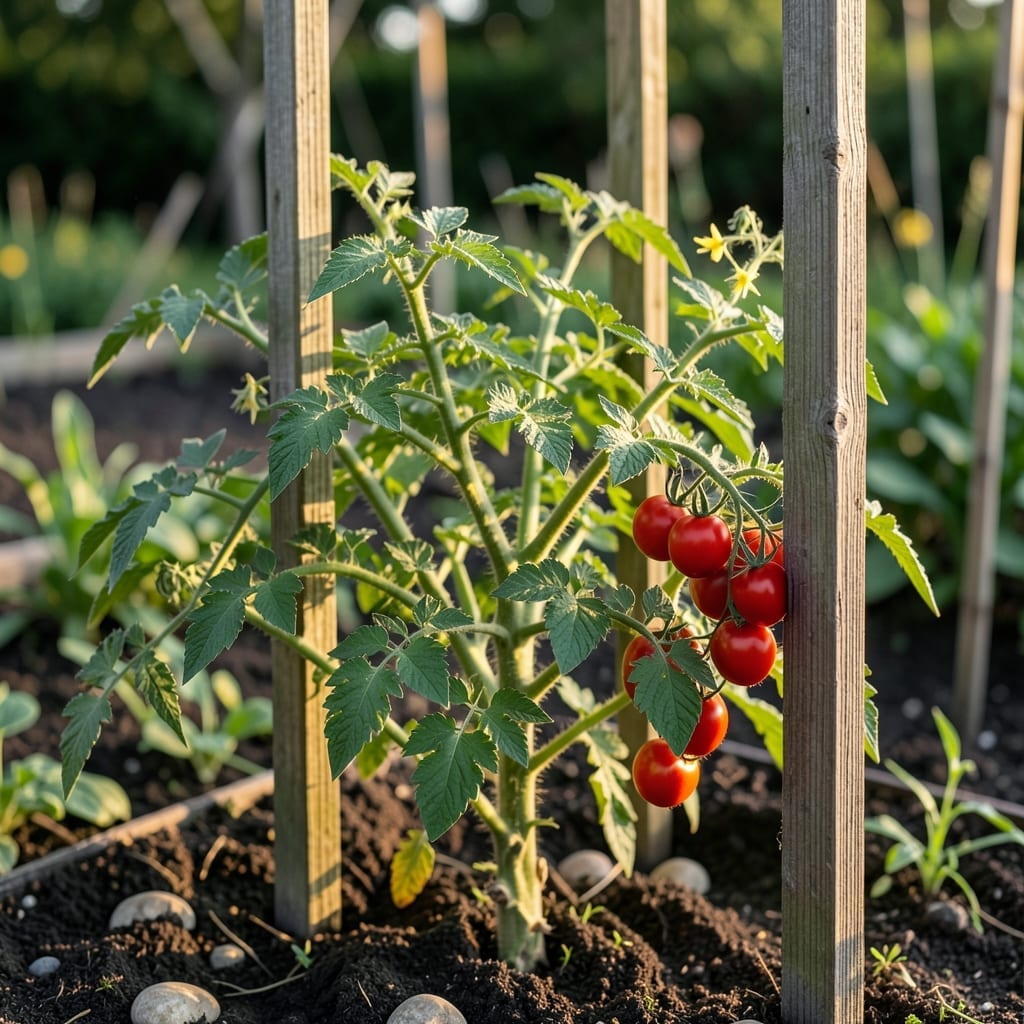
I learned the hard way that tomatoes without enough sun turn into tall, spindly disappointments. Six to eight hours of direct sunlight daily transforms them into the healthy, fruit-laden plants we actually want.
Less light means fewer flowers, smaller fruit, and a sad harvest. My first shaded plants produced exactly three tomatoes all season. The difference with proper sun exposure is night and day.
Even in challenging spaces, you can optimize what you have. South-facing windows, reflective surfaces, and strategic planting spots can make a real difference.
Watch for pale leaves and weak stems—these are your plants begging for more light. Adjust early and you’ll see the improvement within 2 weeks.
Tomatoes thrive in sunlight because of their biological and physiological needs. Here’s why direct sun is often non-negotiable for these plants:
Tomatoes are photosynthetic powerhouses. They convert sunlight into chemical energy (sugars) via chlorophyll in their leaves. Without full-spectrum direct sunlight (6–8+ hours daily), this process slows, starving the plant of the energy needed to produce fruit. Shaded tomatoes may grow leggy, weak, or yield small, flavorless harvests.
Sunlight triggers lycopene and sugar production, the compounds responsible for a tomato’s color, sweetness, and nutritional value. Insufficient light disrupts this, leading to pale, bland, or unripe fruit. Even partial shade can delay maturation, leaving tomatoes green or mealy.
Tomatoes are warm-season crops that rely on heat (70–85°F) to activate enzymes for growth. Direct sun warms the soil and foliage, accelerating metabolism. Cooler, shaded conditions slow these reactions, reducing vigor and disease resistance. This is why even “sun-tolerant” varieties struggle in low-light setups.
If your tomatoes aren’t thriving due to poor light exposure, these practical fixes will help them bounce back. Address each issue with targeted solutions and prevent future problems with simple adjustments.
If your plants are in deep shade, move them to a sunnier spot with at least 6–8 hours of direct sunlight daily. South-facing locations are ideal. For container-grown tomatoes, shift pots to follow the sun. Prevention tip: 💡 Plan your garden layout in advance, ensuring taller plants or structures don’t cast shadows over tomatoes.
In scorching climates, midday sun can scorch leaves or cause blossom drop. Use shade cloth (30–50%) during peak hours (11 AM–3 PM) to protect plants while still allowing light. Prevention tip: 🌡️ Monitor weather forecasts and adjust shading as heatwaves hit.
Young plants stretching toward light become weak and spindly. Place seed trays under grow lights (12–16 hours/day) or on a bright windowsill. Rotate seedlings daily for even growth. Prevention tip: ✨ Start seeds indoors with consistent light to avoid early struggles.
Dense foliage blocks light from reaching lower leaves and fruit. Prune excess suckers (shoots between main stems and branches) and space plants 18–24 inches apart for better air and light circulation. Prevention tip: 🎯 Follow spacing guidelines on seed packets or plant tags.
With these tweaks, your tomatoes will get the light they crave—without the guesswork!
They grow tall and spindly with weak stems and pale leaves. Fruit production drops dramatically, and what does grow may be small, flavorless, or slow to ripen.
They can survive but won’t thrive. Expect 50% fewer tomatoes with less sweetness. Cherry varieties tolerate partial shade better than large beefsteak types.
Place pots where they’ll get morning sun (gentler) plus afternoon sun. Rotate containers weekly so all sides receive equal light exposure.
Morning sun is cooler and less likely to scorch plants. But afternoon sun provides more intense light for photosynthesis. Both together is ideal for healthy growth.