
Beautiful Plants For Your Interior
Beautiful Plants For Your Interior
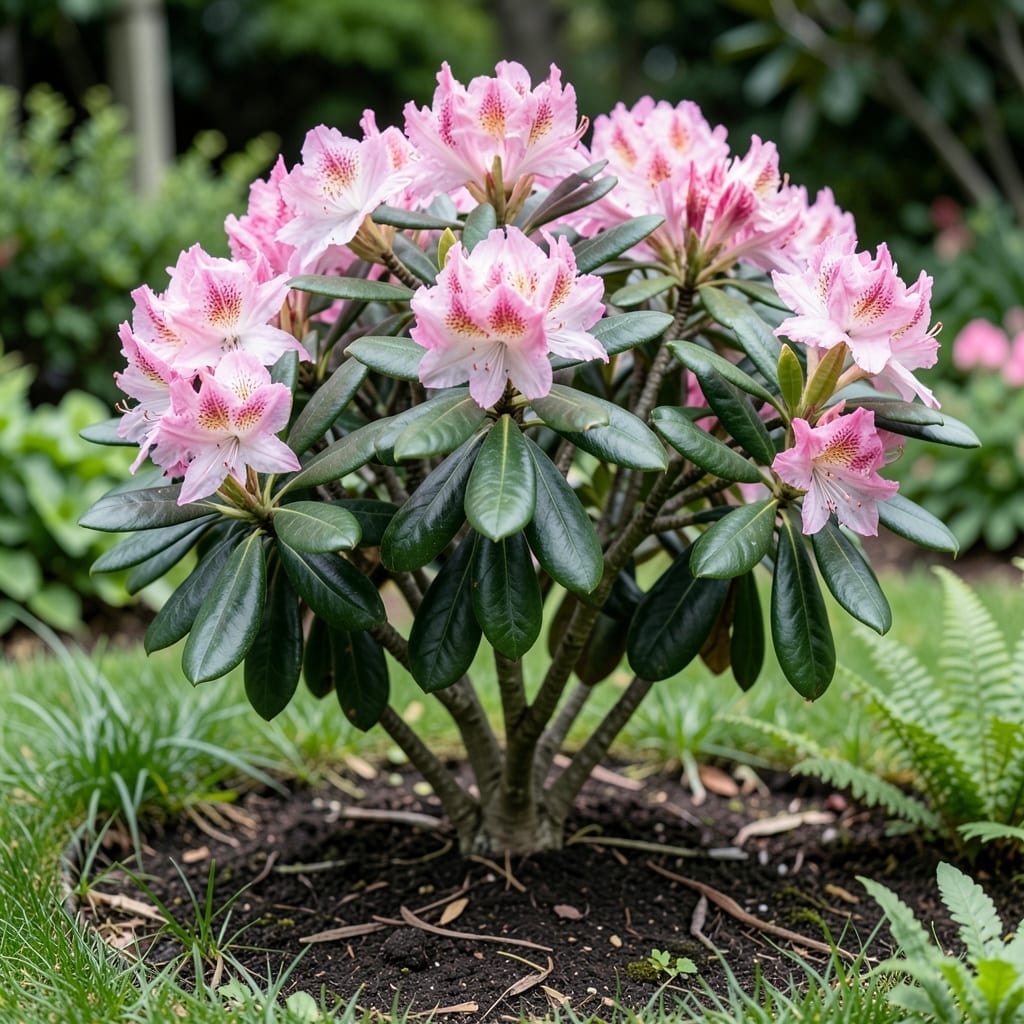
Most rhododendrons are evergreen and retain their leaves year-round, though some deciduous varieties shed foliage in winter. Leaf drop can also occur in extreme cold or poor health.
I’ve noticed that while the majority of rhododendrons keep their glossy leaves through winter, a handful of deciduous types like Rhododendron schlippenbachii naturally drop theirs. The key difference lies in their genetic adaptation to seasonal changes, with evergreens evolved to photosynthesize year-round. 🌿 Cold snaps or disease can also trigger unexpected leaf loss in otherwise hardy plants.
💡 In This Article
The distinction begins at the genetic level. Evergreen rhododendrons, like the popular Rhododendron catawbiense, evolved in regions with mild winters, retaining leaves to maximize photosynthesis during sunnier cold months. Their thick, leathery foliage contains natural antifreeze proteins that prevent cell damage at temperatures down to -25°F.
This adaptation allows them to maintain metabolic activity even under snow cover. ✨
Deciduous varieties, such as Rhododendron schlippenbachii or Rhododendron mucronulatum, take a different approach. These species originate from colder climates where conserving energy is crucial. As days shorten in autumn, they trigger a hormonal response that causes leaf abscission—the formation of a separation layer at the base of each leaf.
This process typically completes before the first hard frost, usually around October-November. 🌟
What makes evergreens particularly resilient is their leaf structure. The undersides often have a dense layer of tiny hairs called indumentum, which insulates against cold and reduces water loss. Some varieties, like Rhododendron yakushimanum, even develop a silvery sheen on new growth that reflects harsh sunlight and prevents winter burn.
This physical protection works in tandem with their genetic programming to maintain foliage year-round.
For deciduous types, leaf drop isn’t a sign of poor health but a survival strategy. By shedding foliage, these plants reduce water loss through transpiration during frozen months when roots can’t absorb moisture. They also avoid damage from heavy snow accumulation on leaves.
This adaptation allows them to thrive in USDA zones 4-6, where evergreen rhododendrons might struggle without protection. ⚡
The color change in deciduous rhododendrons before leaf drop is another fascinating adaptation. As chlorophyll breaks down, other pigments like carotenoids and anthocyanins become visible, creating stunning displays of orange, red, or purple foliage.
This process not only signals the plant’s preparation for dormancy but also helps protect the remaining tissues from light damage during the transition period.
Evergreen varieties evolved in mild climates to maximize photosynthesis. Their thick, leathery leaves contain natural antifreeze proteins that protect against cold down to -25°F. This adaptation lets them keep foliage year-round.
Deciduous rhododendrons like Rhododendron schlippenbachii and mucronulatum shed leaves as a survival strategy. They originate from colder regions where conserving energy is crucial during frozen months.
Watch for curled, drooping, or discolored leaves—these signal cold damage. Water deeply during thaws and avoid fertilizing until spring. Early morning watering helps prevent freeze damage.
A 2-3 inch layer of organic mulch insulates roots and maintains soil moisture. Use pine bark or shredded leaves, keeping it a few inches from the trunk to prevent rot.