
Beautiful Plants For Your Interior
Beautiful Plants For Your Interior
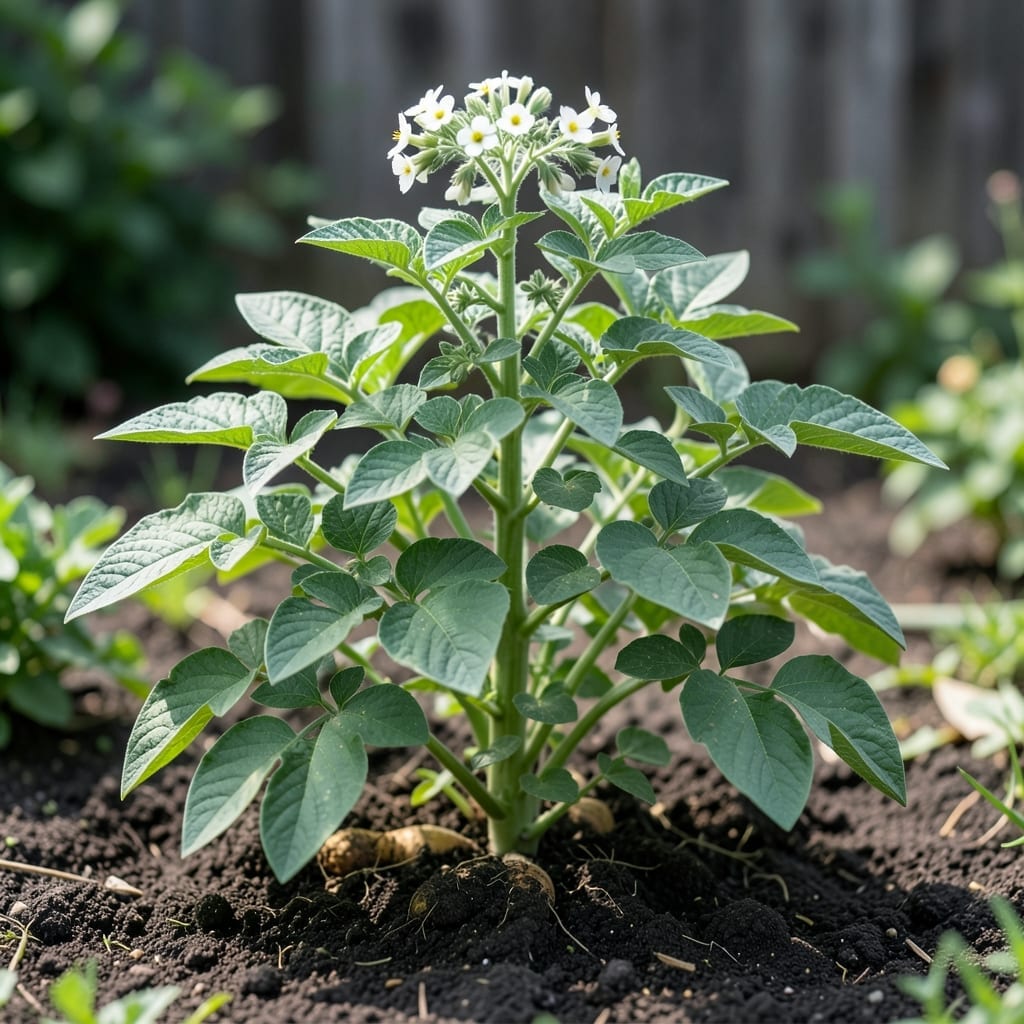
If you’ve ever planted 🥔 Potatoes and wondered why they’re not thriving, sunlight might be the missing piece of the puzzle. These underground gems have specific needs when it comes to light exposure.
Getting the light conditions right can make or break your harvest. While Potatoes are hardy, they do have preferences that affect their growth and yield significantly.
Discover what really works for Potatoes in your garden and how to give them the best start. The right approach can lead to a more abundant crop than you ever imagined.

I’ve found that potatoes thrive best with 6+ hours of direct sun daily. This isn’t just a suggestion—it’s a core requirement for healthy tuber development and maximum yield.
In my experience, full sun exposure helps potatoes produce strong foliage and plentiful tubers. Less light often leads to spindly plants and smaller harvests. ☀️
| Requirement | Specification |
|---|---|
| Ideal Light | Full sun (6+ hours) |
| Minimum Light | 4-6 hours (partial sun) |
| Light Type | Direct sunlight |
| Best Direction | South-facing exposure |
| Shade Tolerance | Low (avoid heavy shade) |
I always recommend morning sun as the most beneficial for potatoes. It dries dew quickly, reducing disease risk while providing intense light for photosynthesis.
For early varieties, I’ve seen good results with slightly less sun, but maincrop potatoes really demand that full sun exposure to reach their potential.
If your garden gets dappled sunlight, try planting shade-tolerant varieties like ‘Red Pontiac’ or ‘Yukon Gold’. These can handle partial shade better than others.
Remember that light intensity matters too. A bright, open spot with unobstructed sunlight will always outperform a shaded corner with the same hours of light.
In hot climates, I’ve found that afternoon shade can actually help prevent soil overheating. But this only works if the plants still get their minimum 6 hours of morning sun.
For container growing, I place my potato bags where they’ll get maximum sunlight. Even on balconies, south-facing positions work best for these sun-loving plants.
Finally, don’t forget that consistent light is key. Potatoes that get full sun one day and deep shade the next will struggle to develop properly. 🌱
While full sun is ideal, I’ve successfully grown potatoes with 4-6 hours of sunlight. The key is choosing the right varieties and optimizing conditions for your garden’s light levels.
Partial shade can work, but expect smaller yields and longer maturity times. The plants will grow, but they won’t reach their full potential without adequate light. ☀️
I recommend ‘Red Pontiac’ and ‘Yukon Gold’ for partial shade. These varieties tolerate less light better than most, though they still prefer as much sun as possible.
To maximize success in shade, I improve soil fertility with compost and ensure consistent moisture. This helps compensate for reduced photosynthesis from lower light levels.
In my shaded garden beds, I space plants farther apart to reduce competition. This gives each plant better access to the available light and resources.
Remember that light quality matters as much as quantity. Bright, indirect light is better than deep shade with occasional sunbeams. 🌱