
Beautiful Plants For Your Interior
Beautiful Plants For Your Interior
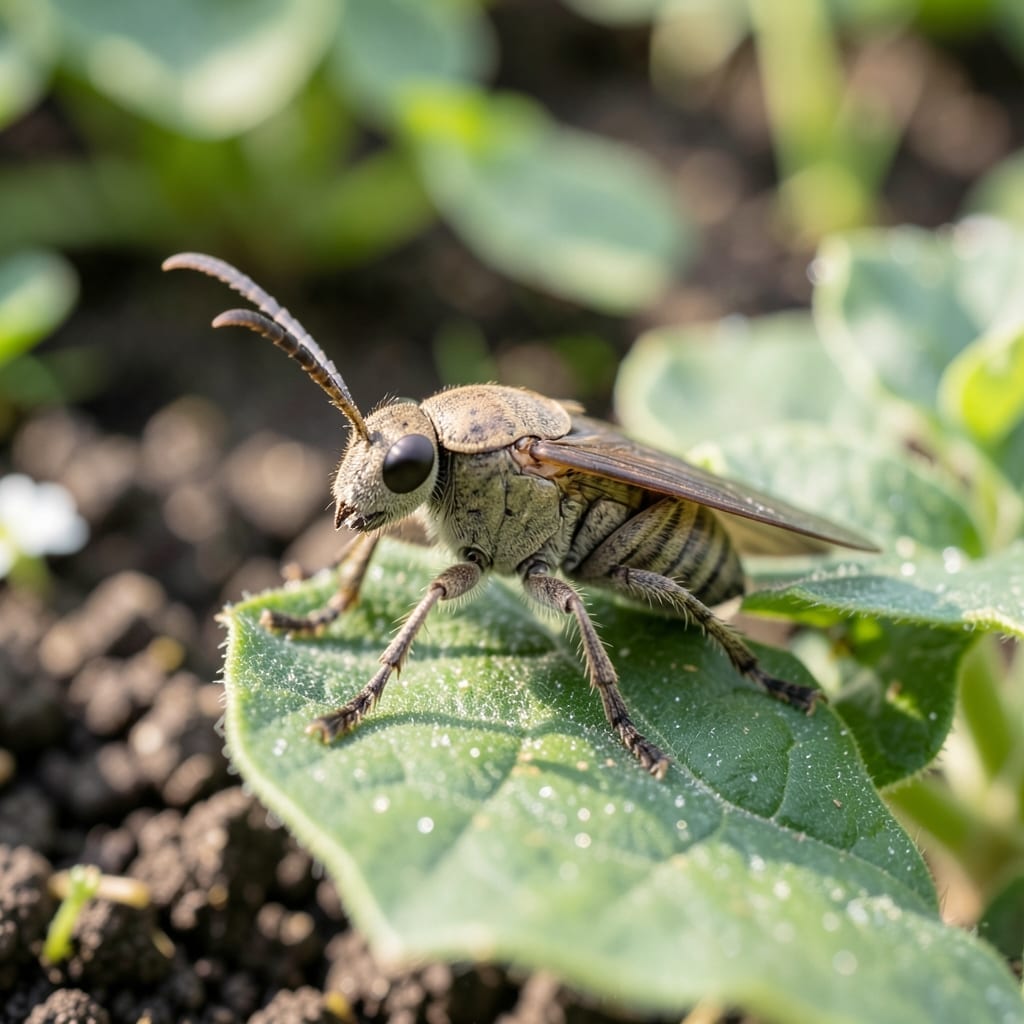
I used to panic every time I spotted potato bugs in my garden, wondering if they’d take flight next. ✨ Turns out, these pests are flightless despite their wing-like cases—what you’re seeing are hardened forewings that protect their softer undersides.
Colorado potato beetles can crawl surprisingly fast, but their wingless nature means they spread mostly by hitching rides on plants or tools. This limitation actually works in your favor for control, as they can’t quickly colonize new areas through flight.
Their lifecycle includes eggs, larvae, and adults—all of which stay grounded. The adults overwinter in soil, emerging in spring to start the cycle anew. This predictable pattern makes timing your prevention efforts crucial.
You’ll find them on potato, tomato, and eggplant leaves, where they chew voraciously. The good news? Their flightless nature makes organic controls like handpicking or neem oil highly effective.
Potato bugs, also known as Jerusalem crickets, are flightless insects despite their intimidating appearance. Their inability to fly stems from several evolutionary and biological factors. Below are the key reasons why these creatures stay grounded:
Potato bugs evolved in environments where flying was unnecessary. Their habitats—often dark, moist areas like under rocks or logs—don’t require rapid aerial movement. Over generations, their wings atrophied as energy was redirected to stronger legs for digging and burrowing, which better suited their survival needs.
These insects have dense, armored exoskeletons and robust bodies built for defense and digging. Their large heads and powerful mandibles are adaptations for their omnivorous diet, but this bulk makes flight impractical. Wings would be an energy drain for an insect that relies on strength and stealth rather than speed.
Unlike many flying insects that migrate or search for mates over long distances, potato bugs are relatively sedentary. They thrive in localized habitats with ample food and moisture, eliminating the need for flight. Their life cycle and mating habits don’t require aerial mobility, so natural selection favored ground-based traits.
Potato bugs, despite their do potato bugs fly reputation, are wingless and can’t take off. But they can still scurry into your home or garden and cause trouble. Here’s how to solve the problem and keep them away for good.
Potato bugs love dark, damp areas like mulch, leaf litter, and firewood piles. Clear debris from your yard and store firewood at least 20 feet from your home. Trim tall grass and weeds where they might lurk.
These pests sneak in through cracks in foundations, gaps under doors, or torn screens. Inspect your home’s exterior and seal openings with caulk or weatherstripping. Install door sweeps and repair damaged window screens to block their path.
Potato bugs dislike strong scents. Sprinkle diatomaceous earth (food-grade) around entry points or garden beds—it dehydrates them on contact. For a quick fix, spray a mix of water and essential oils (peppermint or citrus) along baseboards and windowsills.
With these steps, you’ll tackle the root causes and keep potato bugs from becoming a recurring nuisance—no flying required!
Those hardened forewings, called elytra, protect their delicate undersides. They’re not for flight but for defense against predators and dry conditions. Think of them as built-in armor rather than wings.
They crawl surprisingly fast—up to 1-2 feet per minute. Over a day, they can cover 50-100 feet searching for food or shelter. This is how they spread through gardens.
No, potato bug larvae are also flightless. They look like smaller, softer versions of adults and crawl just as actively. All life stages stay grounded.
They’re drawn to potato, tomato, and eggplant leaves. They also love moist, dark hiding spots like under mulch or rocks. Removing these attracts them less.