
Beautiful Plants For Your Interior
Beautiful Plants For Your Interior
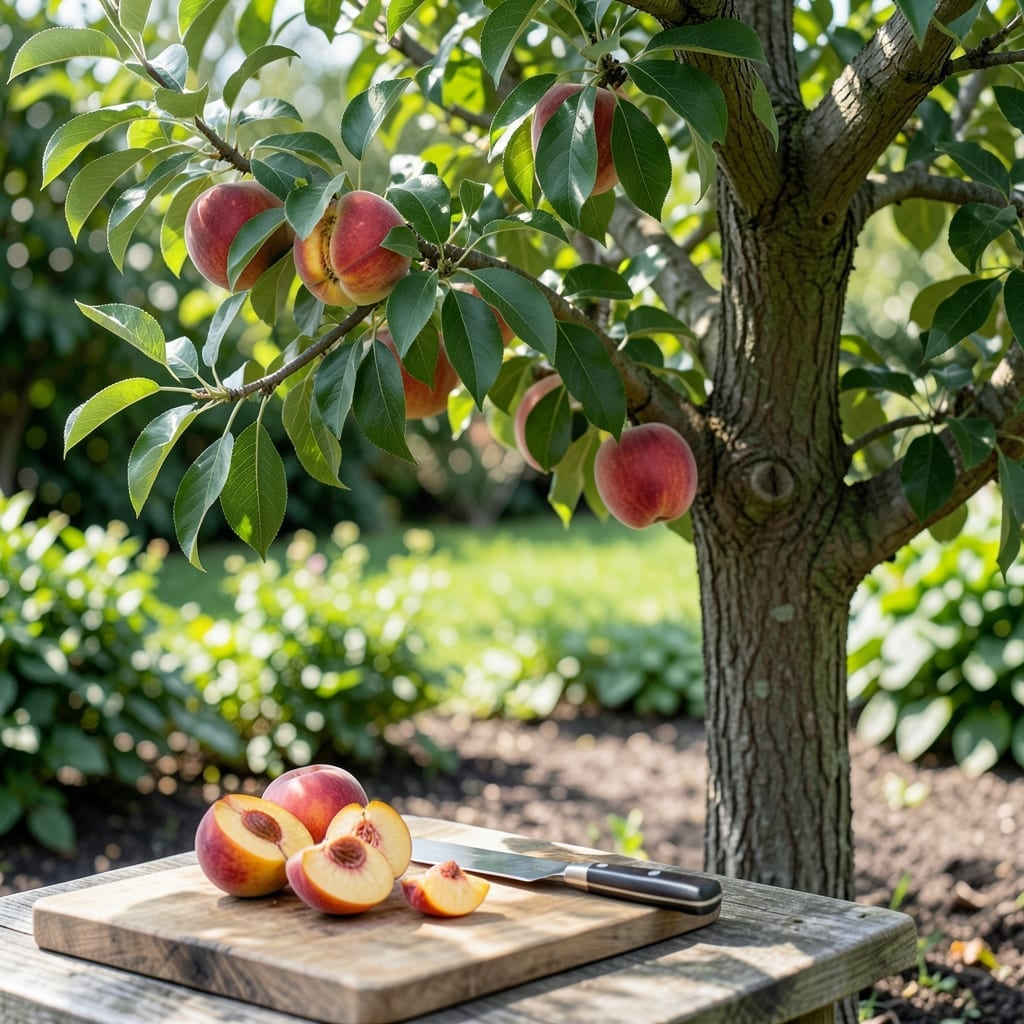
Yes, cut peaches turn brown due to enzymatic browning when their flesh is exposed to oxygen, causing a chemical reaction similar to apples or bananas.
This happens because of an enzyme called polyphenol oxidase that reacts with air, creating melanin pigments. I see this most with overripe fruit—the softer the peach, the faster it discolors. 🔥
Acidic environments like lemon juice can slow this process significantly by lowering the pH. Cold temperatures also help, which is why I always store cut peaches in the fridge. ⚡
💡 In This Article
The rapid browning begins with polyphenol oxidase (PPO), an enzyme in peach cells. When you cut the fruit, you rupture cell walls, exposing PPO to oxygen in the air. This triggers a chemical reaction that converts colorless phenolics into brown melanin pigments—the same process that darkens apples and bananas. 🔥
The speed depends on ripeness. Overripe peaches have more active enzymes, so they brown faster. Temperature matters too: PPO works best between 68-86°F. Colder environments slow it down, which is why refrigeration helps. Acidity inhibits PPO, explaining why lemon juice is so effective. ✨
pH plays a critical role. Peaches sit around pH 3.9-4.2, slightly acidic but not enough to stop browning. Adding acidic substances like vinegar or citrus drops the pH below 3.5, creating an inhospitable environment for PPO activity. This is why a quick lemon water bath can extend freshness. 💫
Oxygen availability accelerates the process. When peach flesh is exposed to air, oxygen molecules quickly bind with phenolics. This is why tightly wrapping cut peaches in plastic or storing them in airtight containers significantly slows discoloration. The less air contact, the longer they stay vibrant. ⚡
Different peach varieties brown at varying rates due to their unique phenolic content. Clingstone peaches often darken faster than freestones because their flesh has higher enzyme concentrations. The browning isn’t harmful—it’s purely visual—but it does affect texture and flavor over time. 🌟
It’s caused by an enzyme called polyphenol oxidase reacting with oxygen in the air. This natural process creates brown pigments, just like with apples or bananas.
No, it’s purely cosmetic. The fruit remains safe to eat, though texture may soften over time. Overripe peaches brown faster due to higher enzyme activity.
Soak slices in cold water with 1 tablespoon lemon juice per cup for 3-5 minutes. The acidity slows the enzyme reaction immediately.
Yes! Try 1 tablespoon white vinegar per 4 cups water or store slices in an airtight container to limit oxygen exposure.