
Beautiful Plants For Your Interior
Beautiful Plants For Your Interior
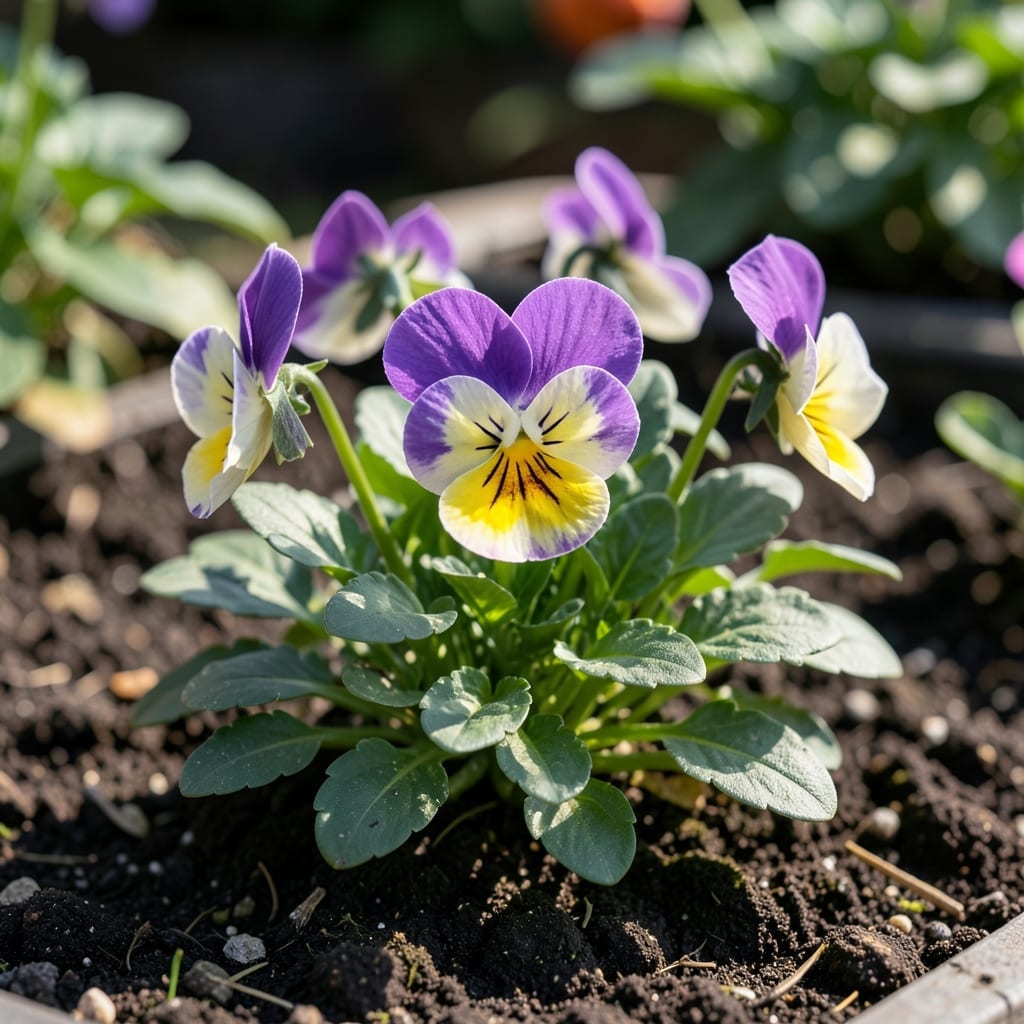
Those cheerful 🌼 Pansy faces can brighten any garden, but their sunlight needs often spark confusion. You might wonder if they thrive in full sun or prefer a bit of shade.
Getting the light right is the key to vibrant, long-lasting blooms. Whether you’re planting in beds or containers, understanding their ideal conditions makes all the difference.
Let me walk you through what works best for these colorful flowers. You’ll discover how to create the perfect environment for your Pansies to flourish.

If you’ve ever admired vibrant pansies and wondered about their sunlight needs, you’re not alone. These hardy flowers are surprisingly adaptable, but they do best with 4-6 hours of sun daily for those iconic, colorful blooms.
In my experience, pansies thrive in full sun to partial shade. Morning sunlight is ideal, as it’s gentler than the harsh afternoon rays. This balance prevents sunburned petals while promoting healthy growth.
| Requirement | Specification |
|---|---|
| Ideal Daily Sun | 4-6 hours |
| Best Light Type | Morning sun + afternoon shade |
| Minimum Sun | 3 hours |
| Maximum Sun | 8 hours (with protection) |
| Shade Tolerance | Good in partial shade |
For gardeners in hotter climates, I recommend providing afternoon shade. Pansies can handle more sun in cooler regions, where the risk of heat stress is lower. Always watch for wilting leaves as a sign of too much sun.
If you’re growing pansies in containers, you have more control. Move pots to follow the sun or provide shade as needed. This flexibility is one reason I love container gardening with pansies.
Too little light leads to leggy plants with fewer blooms. If your pansies aren’t flowering well, try relocating them to a sunnier spot. Even an extra hour of sunlight can make a noticeable difference.
In early spring or fall, pansies can often handle more sun. The milder temperatures reduce stress. But during summer heatwaves, even pansies in partial shade may need extra watering.
For urban gardeners, balconies with east-facing exposure are ideal. West-facing spots work too, but you might need to provide some afternoon shade during peak summer months.
Remember, pansies are cool-season flowers. They prefer 60-70°F temperatures. In extreme heat, they’ll struggle regardless of sunlight, so plan accordingly for your growing zone.
With the right balance of sun and shade, your pansies will reward you with abundant blooms that last for weeks. It’s all about observing your plants and adjusting as needed.
☀️Choosing the right spot for pansies can make or break their performance. I’ve found that east-facing locations are often ideal, offering gentle morning sun while protecting from harsh afternoon heat.
For garden beds, south-facing areas work well in cooler climates, but may require afternoon shade in warmer regions. North-facing spots are less ideal, as they often lack sufficient light.
If you’re planting in containers, ensure they receive at least 4 hours of sunlight daily. The portability of pots lets you adjust their position as the sun moves throughout the day.
In shaded yards, pansies can still thrive under bright, indirect light. Look for spots near fences or walls that reflect light, which can provide the extra illumination they need.
For urban gardeners, windowsills or rooftop gardens with east or south exposure are perfect. Just be mindful of wind exposure, which can dry out soil quickly in containers.
Companion planting also matters. Pansies pair well with other partial-shade lovers like impatiens or hostas, creating a cohesive look while sharing similar sunlight needs.
☀️