
Beautiful Plants For Your Interior
Beautiful Plants For Your Interior
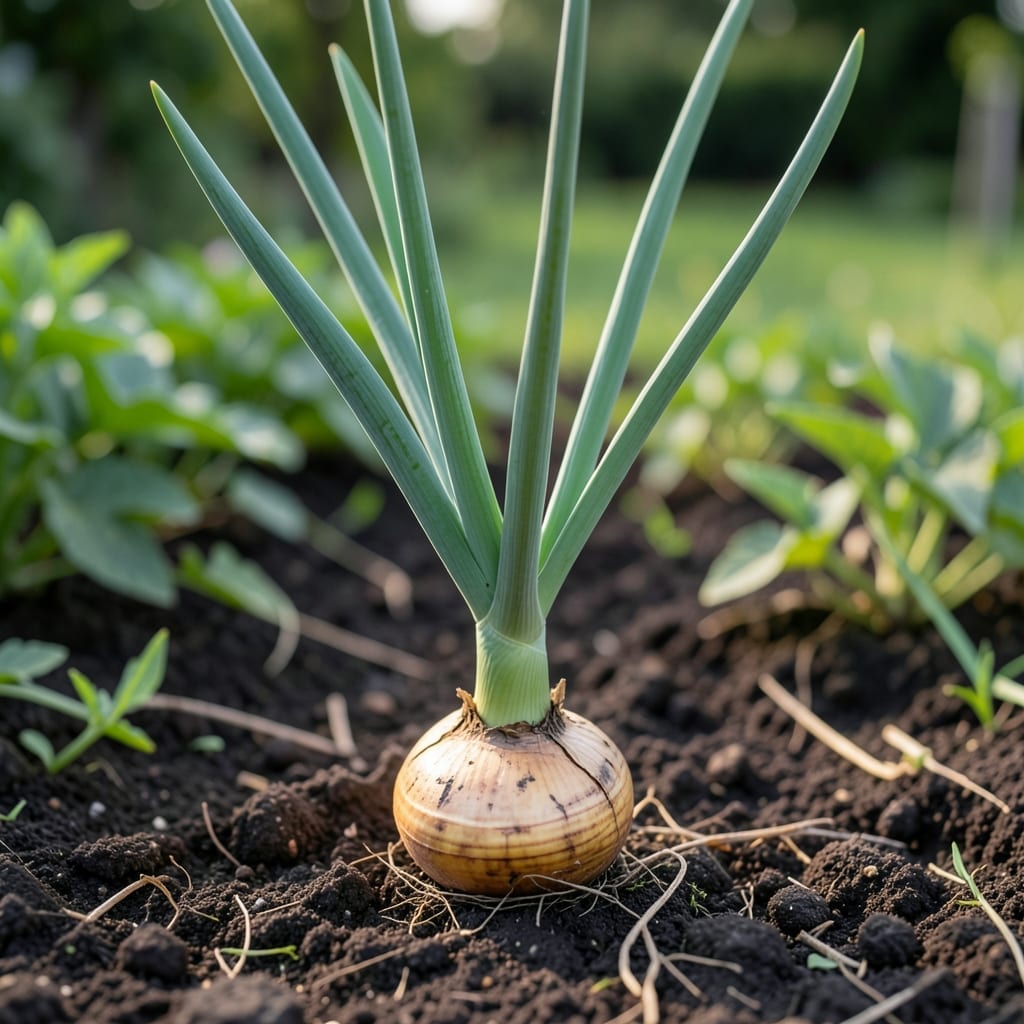
Wondering if your 🧅 Onion patch is getting enough light? You might be surprised to learn these hardy plants have specific needs for healthy growth.
While they can tolerate some shade, the right amount of sunlight makes all the difference in bulb size and flavor. I’ve seen firsthand how light conditions transform a mediocre harvest into an exceptional one.
Discover the ideal balance for your garden’s conditions and watch your Onion crop thrive like never before.

If you’re growing onions in your garden, you might wonder how much sunlight they truly need. I’ve found that these hardy plants do best with 6-8 hours of direct sun daily. This ensures robust bulb development and strong, healthy foliage. ☀️
Different onion varieties have slightly different needs. Short-day onions, for example, are more forgiving in warmer climates, while long-day onions thrive in regions with longer summer days. Both, however, benefit from ample sunlight to reach their full potential.
| Variety | Sun Requirement | Climate Suitability |
|---|---|---|
| Short-Day Onions | 6-7 hours | Warmer regions |
| Long-Day Onions | 7-8 hours | Cooler climates |
| Day-Neutral Onions | 6-8 hours | Adaptable |
In my experience, full sun exposure is ideal for most onion varieties. Less light often leads to smaller bulbs and weaker plants. If your garden gets partial shade, prioritize morning sun, as it’s less intense than afternoon rays.
For those in hotter climates, a bit of afternoon shade can actually help prevent heat stress. But in cooler areas, maximum sunlight is key. I’ve noticed that onions in sunnier spots always outperform those in shadier areas of the garden.
If you’re unsure about your garden’s light levels, I recommend using a sunlight calculator or simply observing how many hours of direct light your onion bed receives. This small step can make a big difference in your harvest.
Soil quality also plays a role in how well onions utilize sunlight. Well-draining, fertile soil helps plants absorb nutrients efficiently, which, combined with sunlight, leads to optimal growth. I always amend my beds with compost before planting.
Don’t forget that consistent watering complements sunlight. Onions need moist but not soggy soil, especially during bulb formation. Pair this with ample sunlight, and you’ll be rewarded with plump, flavorful bulbs.
Finally, if you’re growing onions in containers, place them in the sunniest spot possible. A south-facing balcony or patio works wonders. I’ve had great success with container-grown onions when they get at least 6 hours of sun daily.
In summary, while onions can tolerate some shade, they truly thrive in full sun. Aim for 6-8 hours of direct sunlight for the best results, and adjust based on your specific variety and climate. 🌱
If your onion plants look weak or underdeveloped, they might be starved for sunlight. I’ve seen stunted growth as the first red flag in my own garden. When onions don’t get enough light, they struggle to form plump bulbs and may produce thin, spindly greens instead. ☀️
Another telltale sign is yellowing leaves, which often appear when plants aren’t photosynthesizing efficiently. You might also notice smaller bulb sizes at harvest time, even if the tops look healthy. These are clear indicators that your onions need more direct sunlight.
⚠️ Watch For These Light Deficiency Signs
Stunted growth, thin necks, small bulbs, and yellowing leaves all signal your onions need more sun.
In my experience, thin necks connecting the bulb to the greens are another sign of light deprivation. Onions grown in shade often develop weak stems that can’t support the bulb’s weight. This makes them more prone to toppling over prematurely.
Don’t overlook slow maturation. If your onions are taking longer than 90-120 days to mature, they might not be getting enough light. I always track my planting dates to monitor growth progress and adjust garden placement if needed.
For quick fixes, try relocating potted onions to sunnier spots or thinning nearby plants that might be casting shade. In my garden, I’ve successfully used reflective mulches to bounce extra light onto onion beds in partially shaded areas.
Remember that morning sun is most beneficial, as it’s less harsh than afternoon rays. If you can’t provide full sun, ensure your onions get at least 6 hours of direct light, with priority given to those early morning hours. 🌱