
Beautiful Plants For Your Interior
Beautiful Plants For Your Interior
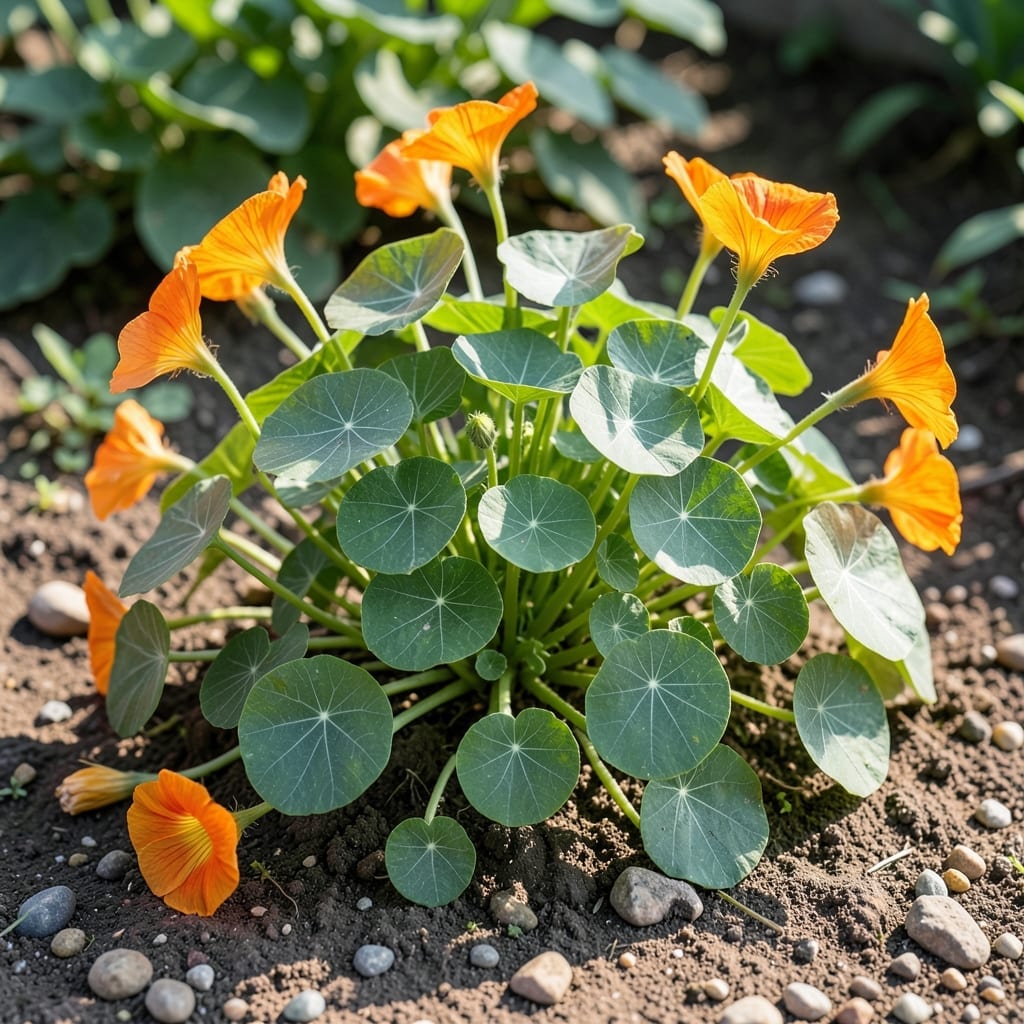
Nasturtiums bring vibrant 🌼 color to any garden, but their sunlight needs often spark confusion. Many gardeners wonder if these easy-care plants truly require full sun to thrive.
Understanding their light preferences is the key to getting the most from your Nasturtium. Whether you’re planting in containers or garden beds, the right exposure makes all the difference.
Let me share what I’ve learned about giving Nasturtium the perfect balance of light for optimal growth and blooming. You’ll be amazed at how simple it can be.

I often get asked about the sunlight needs of nasturtiums, and the answer is refreshingly simple. These vibrant flowers are sun-worshippers at heart, thriving best with 6+ hours of direct sunlight daily.
In my experience, full sun exposure brings out the most vivid blooms and compact growth. The more sunlight they receive, the more abundant and colorful their flowers will be. This makes them perfect for sunny borders or container gardens on south-facing patios.
| Requirement | Specification |
|---|---|
| Ideal Light | Full Sun |
| Daily Sun | 6-8 hours |
| Minimum Sun | 4-6 hours |
| Shade Tolerance | Partial Shade |
While full sun is ideal, I’ve found nasturtiums can tolerate partial shade, especially in hotter climates. In these areas, some afternoon shade can actually prevent leaf scorch and keep flowers looking fresh longer.
For gardeners in cooler regions, I recommend maximizing sun exposure. The extra warmth helps accelerate growth and encourages earlier blooming. Even in containers, I always place my nasturtiums where they’ll get the most direct light possible.
One thing I’ve noticed is that less sunlight often results in fewer flowers and leggier plants. If your nasturtiums are stretching toward the light, they’re likely not getting enough. This is nature’s way of telling you to relocate them to a sunnier spot.
The quality of light matters too. Morning sun is gentler and ideal for young plants, while intense afternoon sun can be beneficial for established nasturtiums. In my garden, the plants that get eastern exposure often bloom just as well as those in full sun.
For container gardening, I suggest rotating pots regularly to ensure even light distribution. This prevents the plants from growing lopsided and promotes balanced development. Even a simple turn every few days can make a noticeable difference.
Remember that soil moisture interacts with sunlight needs. In full sun locations, nasturtiums may need more frequent watering, especially during dry spells. I always check the soil moisture by sticking my finger 1 inch deep into the soil.
If you’re growing nasturtiums for edible flowers or leaves, more sun typically means better flavor and more abundant harvests. The same light that produces vibrant blooms also enhances the peppery taste that makes nasturtiums a favorite in salad gardens.
In my years of gardening, I’ve learned that while nasturtiums are forgiving, they reward optimal light conditions with their most spectacular displays. Don’t be afraid to experiment with different locations to see what works best in your garden.
I’ve seen firsthand how nasturtiums react when their light needs aren’t met. Leggy stems and sparse blooms are classic signs they’re craving more sun. These plants stretch toward light, so if they look tall and thin, it’s time to move them.
Another red flag is pale or faded flowers. Nasturtiums in low light often produce less vibrant blooms, losing that signature pop of orange, red, or yellow. I always check the color intensity as a quick health indicator.
Too little sun causes leggy growth and fewer flowers. Too much can lead to leaf scorch or wilted blooms in extreme heat. Adjust placement to balance exposure.
On the flip side, leaf scorch or brown edges can signal too much sun, especially in intense afternoon heat. I’ve found that afternoon shade in hot climates helps prevent this while still allowing for vibrant growth.
Poor flowering is another clue. If your nasturtiums are producing more leaves than blooms, they might need more sunlight. I’ve noticed this happens most often in shady garden corners or under dense tree canopies.
Don’t overlook soil dryness in full sun. Nasturtiums in bright locations can dry out quickly, so I always pair sun exposure with consistent watering to keep them thriving.
Finally, if your plants look stunted or weak, check their light. Nasturtiums are tough, but even they need the right conditions to flourish. A simple move to a sunnier spot can work wonders. ☀️