
Beautiful Plants For Your Interior
Beautiful Plants For Your Interior
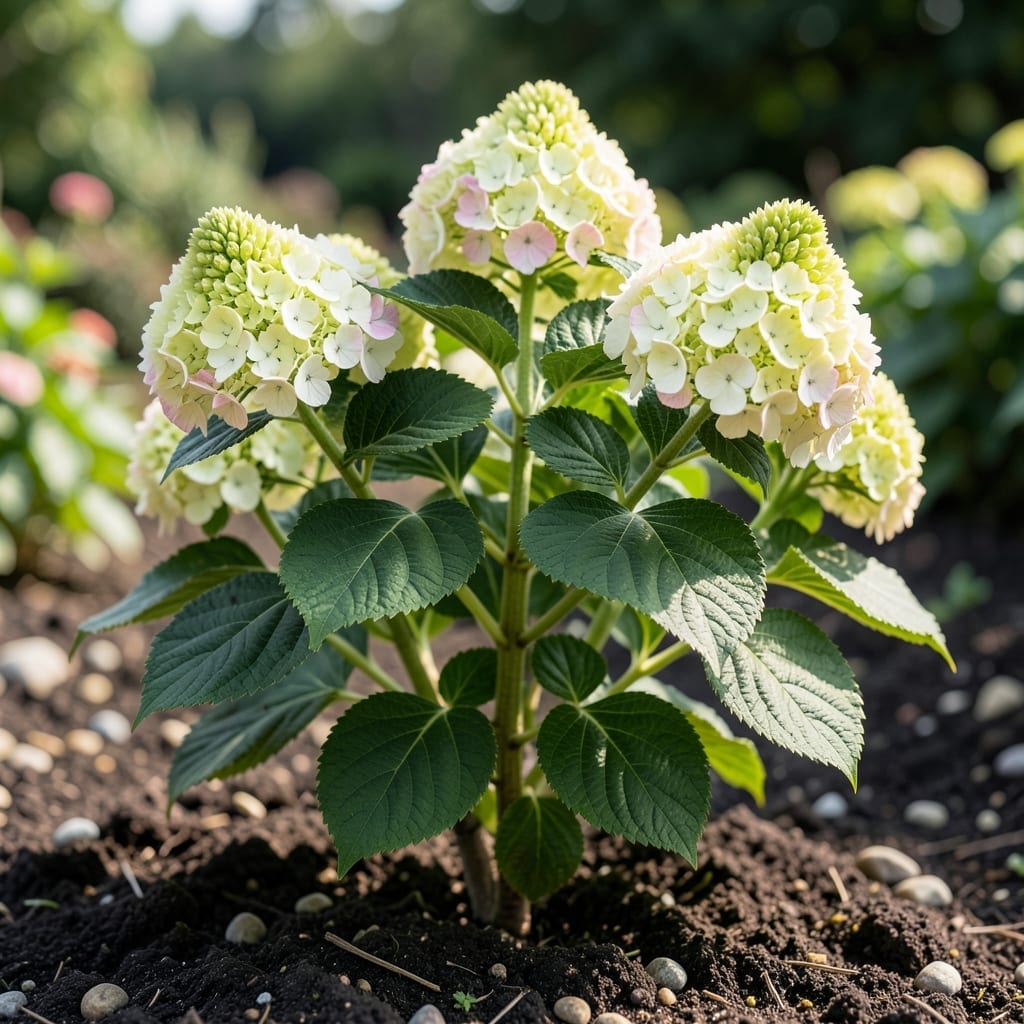
I remember the first time I planted my Limelight Hydrangea 🌸 and worried I’d chosen the wrong spot. These beauties are famous for their vibrant blooms, but their light needs often spark confusion among gardeners.
You might think they demand full sun to thrive, but that’s not quite right. The truth is more nuanced and could make all the difference for your plant’s health and flower production.
Let me share what I’ve learned about giving these shrubs the perfect balance of light. It’s simpler than you might expect, and your hydrangeas will thank you for it.

I’ve found that Limelight Hydrangeas truly shine with the right light balance. These adaptable shrubs prefer partial shade but can tolerate more sun than many gardeners realize.
In my experience, they thrive with 4-6 hours of direct sunlight daily, ideally in the morning sun with afternoon shade. This protects their delicate blooms from harsh heat.
| Requirement | Specification |
|---|---|
| Ideal Sunlight | 4-6 hours daily |
| Best Time | Morning sun |
| Shade Needs | Afternoon protection |
| Climate Adaptability | Zones 3-9 |
In hotter climates like Zone 9, I recommend more shade, while cooler areas like Zone 3 can handle additional sunlight. The key is monitoring your plant’s response.
These hydrangeas will tell you if they’re unhappy – scorched leaves mean too much sun, while weak blooms suggest insufficient light. I always adjust based on these signs.
For container growing, I position my pots where they get eastern exposure. This provides gentle morning light without the intense afternoon rays that can stress the plant.
Remember, well-draining soil complements proper light exposure. I’ve seen the best results when both conditions are met, leading to those spectacular lime-green blooms.
If you’re in a particularly sunny area, consider planting your Limelight hydrangea where it gets dappled shade from nearby trees during the hottest part of the day.
I’ve also found that mulching helps maintain soil moisture, which is especially important when the plant is getting more direct sunlight than usual.
Don’t forget that newly planted hydrangeas need extra care. I always give them a bit more shade during their first growing season to help them establish strong roots.
☀️I always watch my Limelight Hydrangeas closely for light-related stress. Scorched leaves with brown edges often signal too much sun, especially in hot climates.
On the flip side, weak blooms or leggy growth usually mean your plant needs more light. I’ve seen this often in deep shade spots.
⚠️ Warning: Wilting in afternoon often means heat stress. Move to shade or increase watering immediately to prevent damage.
Another telltale sign is yellowing leaves, which can indicate either too much or too little light. I check the plant’s position relative to its sun exposure.
If your hydrangea has smaller than normal blooms, it might be struggling with insufficient light. I recommend gradually increasing sun exposure over several weeks.
For container-grown plants, I look for leaf drop as a sign of light stress. This often happens when pots get too much direct afternoon sun.
Remember, these plants prefer morning sun and afternoon shade. I’ve found that east-facing locations work best for consistent, gentle light exposure.
☀️