
Beautiful Plants For Your Interior
Beautiful Plants For Your Interior
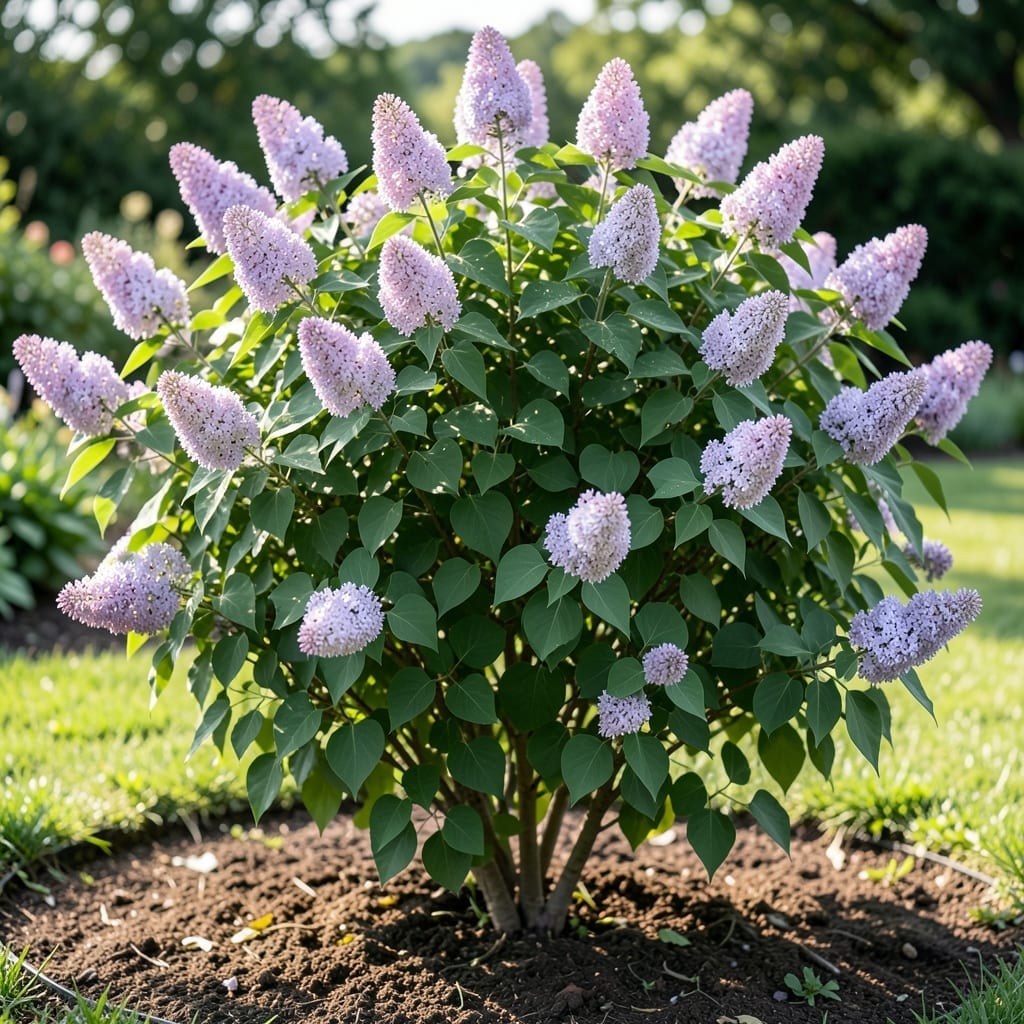
There’s nothing quite like the sight and scent of blooming 🌸 Lilacs in spring. But if your shrub isn’t flowering as abundantly as you’d hoped, sunlight might be the culprit.
Many gardeners assume these hardy plants can thrive in any condition, but their light needs are more specific than you’d think. Getting this right could transform your garden.
Discover the ideal sun exposure for best growth and how to spot when your Lilac isn’t getting enough. Your most fragrant blooms yet are within reach.

If you’ve ever wondered do lilacs need full sun, the answer is a resounding yes. These fragrant shrubs thrive with 6+ hours of direct sunlight daily, which is crucial for abundant blooming and healthy growth.
Full sun exposure ensures your lilacs produce the most vibrant flowers and maintain strong stems. Without enough light, you might notice sparse blooms or weak, leggy growth.
| Requirement | Specification |
|---|---|
| Sunlight Needs | 6+ hours daily |
| Best Light Type | Direct sunlight |
| Minimum for Blooms | 4-6 hours |
| Ideal Window | South-facing exposure |
I’ve found that morning sun is particularly beneficial for lilacs, as it helps dry dew from the leaves, reducing the risk of fungal diseases. This is especially important in humid climates.
For the best results, plant your lilacs in a spot where they can soak up unfiltered sunlight for most of the day. This mimics their natural habitat and encourages robust growth.
Partial shade can work, but expect fewer blooms. If you must plant in a shadier spot, choose dwarf varieties like ‘Bloomerang’ or ‘Sensation’, which are slightly more tolerant.
In my experience, lilacs planted in full sun not only bloom more profusely but also develop stronger fragrances. The flowers seem to open wider and last longer when they get plenty of light.
If your garden has limited sunny spots, consider pruning nearby trees or using reflective mulches to maximize light exposure. Even small adjustments can make a big difference in bloom quality.
Remember, while lilacs are hardy plants, they still need the right conditions to thrive. Full sun is non-negotiable for the best flowering, but they can tolerate a little shade in the hottest part of the day.
Finally, if you’re planting new lilacs, observe your garden’s sun patterns throughout the day. This will help you pick the perfect spot for your shrubs to flourish. ☀️
If your lilac shrubs aren’t blooming as expected, insufficient sunlight is often the culprit. These plants are sun-lovers by nature, and without enough light, they’ll struggle to produce their signature fragrant blossoms.
One of the first signs of sun deprivation is sparse or weak blooming. You might notice fewer flowers, or the blooms may appear smaller and paler than usual. This happens because lilacs need ample light to fuel flower production.
⚠️ Warning: Leggy growth with long, thin stems and widely spaced leaves is another red flag. This occurs as the plant stretches toward light, weakening its structure and reducing flower quality.
Another telltale sign is leaf discoloration. Lilacs in low-light conditions may develop yellowing leaves or poor foliage density. The leaves might also look less vibrant and more prone to disease.
Weak stems are a common issue, too. Without enough sun, lilacs grow thinner, less sturdy branches that can’t support heavy blooms. This often leads to floppy or drooping flowers, which detracts from their beauty.
To fix these issues, start by assessing your garden’s sun patterns. Move potted lilacs to sunnier spots or prune nearby trees to allow more light. Even a few extra hours of sun can make a noticeable difference in bloom quality.
If relocating isn’t an option, consider thinning out nearby plants to improve light penetration. Reflective mulches can also help maximize sunlight exposure for your lilacs, giving them the boost they need to thrive. ☀️