
Beautiful Plants For Your Interior
Beautiful Plants For Your Interior
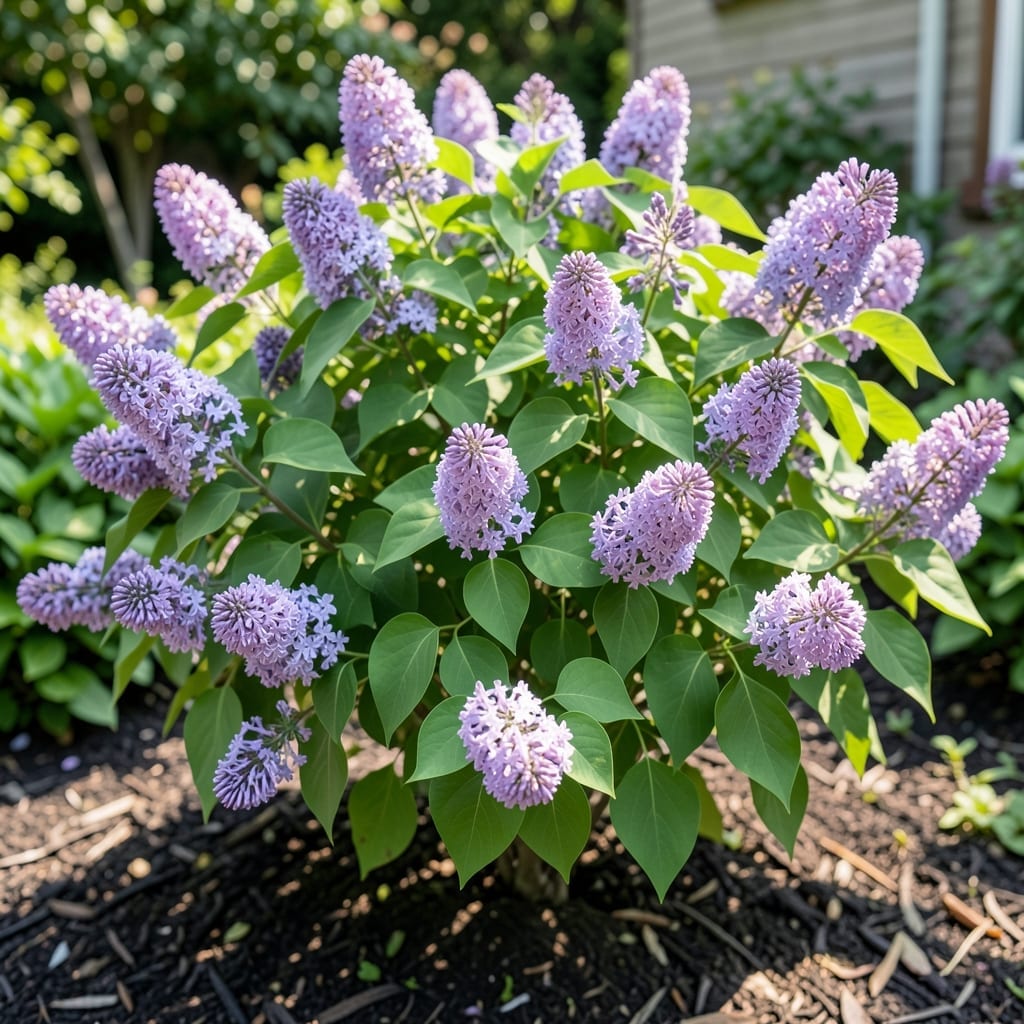
Lilac bushes are beloved for their fragrant blooms and lush foliage, but their sun requirements often leave gardeners wondering. The right light exposure can make the difference between a struggling 🌸 Lilac and a thriving, flower-filled centerpiece.
I’ve seen firsthand how proper sunlight transforms these shrubs. Without enough light, you might notice sparse blooms or weak growth, but get it right, and you’ll enjoy vibrant colors and that signature fragrance we all love.
Discover the ideal conditions for your Lilac bushes and learn how to create the perfect environment for those stunning spring displays. Let’s get your garden looking its best.

If you’re growing lilac bushes, sunlight is the key to those vibrant blooms and rich fragrances we adore. These shrubs thrive with 6+ hours of direct sunlight daily, making full sun the gold standard for optimal growth.
In my experience, lilacs in full sun produce the most abundant flowers and maintain healthy foliage. While they can tolerate partial shade, too little light often leads to sparse blooming and weak stems. ☀️
| Requirement | Specification |
|---|---|
| Ideal Sun | 6+ hours daily |
| Minimum Sun | 4-6 hours |
| Shade Tolerance | Partial (limited blooms) |
| Best Direction | South or west-facing |
I’ve noticed that morning sun is particularly beneficial for lilacs. It dries dew quickly, reducing the risk of fungal diseases that can plague these shrubs. Afternoon sun helps fuel flower production and strong growth.
For gardeners in hotter climates, some afternoon shade can prevent leaf scorch. However, in most regions, full sun exposure yields the best results. I always recommend testing different spots in your yard to find the sweet spot.
If your lilac bush isn’t getting enough light, you might notice smaller blooms or fewer flowers. The plant may also grow taller and leggier as it stretches toward the sun. This is your cue to relocate it or prune nearby trees. 🌱
Remember, young lilacs are more sun-sensitive than established ones. I suggest acclimating them gradually to full sun to prevent transplant shock. A shady spot for the first week can help them adjust.
Soil conditions also play a role in sun tolerance. Well-draining soil helps lilacs handle full sun better, while poor drainage can lead to root rot, especially in hot weather. I always amend the soil with compost before planting.
For the best fragrance and most vibrant colors, prioritize full sun. But don’t despair if your garden has partial shade. Some lilac varieties, like ‘Bloomerang’, are more shade-tolerant than others.
In my garden, the lilacs in full sun always outperform those in shade. The difference in bloom quantity and fragrance intensity is remarkable. If you can, give your lilac bushes the sun they crave for the best results. 🌿
When your lilac bush lacks sufficient sunlight, the first sign is often fewer blooms or smaller flowers than expected. This happens because flower production relies heavily on photosynthesis, which needs ample light.
Another red flag is leggy growth, where stems become tall and sparse as the plant stretches toward light. The foliage may also appear pale or yellowish, indicating stress from insufficient sunlight. ☀️
I’ve found that morning sun is critical for lilacs. Without it, the plant struggles to produce the energy needed for those fragrant blooms. Even dappled sunlight may not be enough for optimal flowering.
If you notice uneven growth, with one side of the bush thriving while the other lags, it’s likely due to uneven light exposure. I recommend rotating potted lilacs or pruning nearby obstructions to balance the light.
Leaf drop or premature leaf yellowing can also signal sunlight deficiency. In severe cases, the plant may enter a survival mode, prioritizing foliage over flowers. This is your cue to act fast.
To confirm, observe your lilac bush throughout the day. If it receives less than 4 hours of direct sunlight, it’s time to relocate it or adjust your garden layout. Even a small change can make a big difference. 🌿