
Beautiful Plants For Your Interior
Beautiful Plants For Your Interior
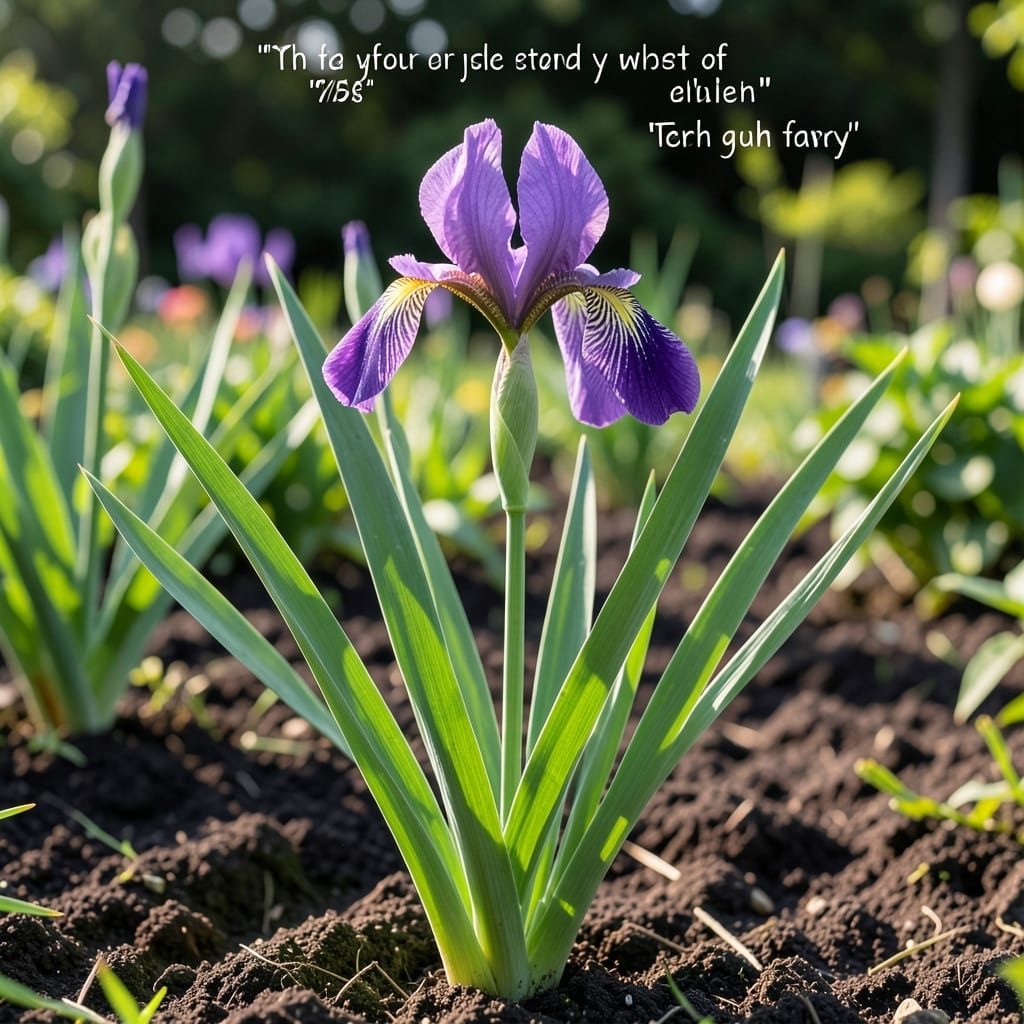
Wondering if your 🌸 Iris is getting enough light to produce those stunning blooms? The answer isn’t as simple as yes or no.
These beautiful flowers thrive under specific conditions that can make or break their flowering potential. Getting the light right is the key to vibrant, healthy growth.
Let me show you exactly how much sun your Iris needs and how to optimize its growing environment for the best results.

If you want your irises to thrive, sunlight is one of the most important factors to consider. These stunning perennials generally prefer full sun to produce their best blooms.
Most bearded irises need at least 6-8 hours of direct sunlight daily. Without enough light, they may produce fewer flowers or weaker stems.☀️
Siberian irises are more flexible and can tolerate partial shade, especially in hotter climates. They’ll still bloom well with 4-6 hours of sunlight.
In contrast, Japanese irises prefer a bit more shade, especially in the afternoon. They do best with morning sun and protection from intense heat.🌿
If your garden gets less than 6 hours of sun, don’t worry. Many irises will still grow, but you might see fewer blooms or smaller flowers. The key is matching the variety to your light conditions.
For optimal growth, plant your irises where they’ll get morning sun. This helps dry dew from the leaves, reducing the risk of rot or disease.
In hot climates, afternoon shade can actually benefit irises by preventing heat stress. A little protection during the hottest part of the day can extend their blooming season.
Remember, soil drainage works hand-in-hand with sunlight. Even with perfect light, irises won’t thrive in soggy soil. Ensure they’re planted in well-draining spots.🪴
If you’re growing irises in containers, they’ll need even more attention to sunlight. Pots can heat up quickly, so monitor their exposure carefully to prevent overheating.
If your irises aren’t blooming well, light deprivation might be the culprit. One of the first signs is sparse or no flowers during their usual blooming season.☀️
Another red flag is weak, floppy stems that struggle to support the blooms. This often happens when the plant isn’t getting enough energy from sunlight to build strong structures.
⚠️ Warning: Low Light Issues
Your irises may show pale or yellowing foliage if they’re not getting enough sun. This happens because chlorophyll production slows down in low-light conditions, leading to weak, sickly leaves.
You might also notice smaller-than-normal blooms or flowers that open incompletely. This is the plant’s way of conserving energy when it’s not getting enough light.
If your irises are leaning toward the light, this is a clear sign they’re reaching for more sun. This often happens in shaded garden beds or under trees.🌿
Another indicator is slow growth. Irises that aren’t getting enough light will grow more slowly and may take longer to establish themselves in your garden.
To fix these issues, consider relocating your irises to a sunnier spot. If that’s not possible, try pruning nearby plants to allow more light to reach them.
In container gardens, move pots to areas with better sun exposure. Even a few extra hours of light can make a big difference in bloom quality.🪴