
Beautiful Plants For Your Interior
Beautiful Plants For Your Interior
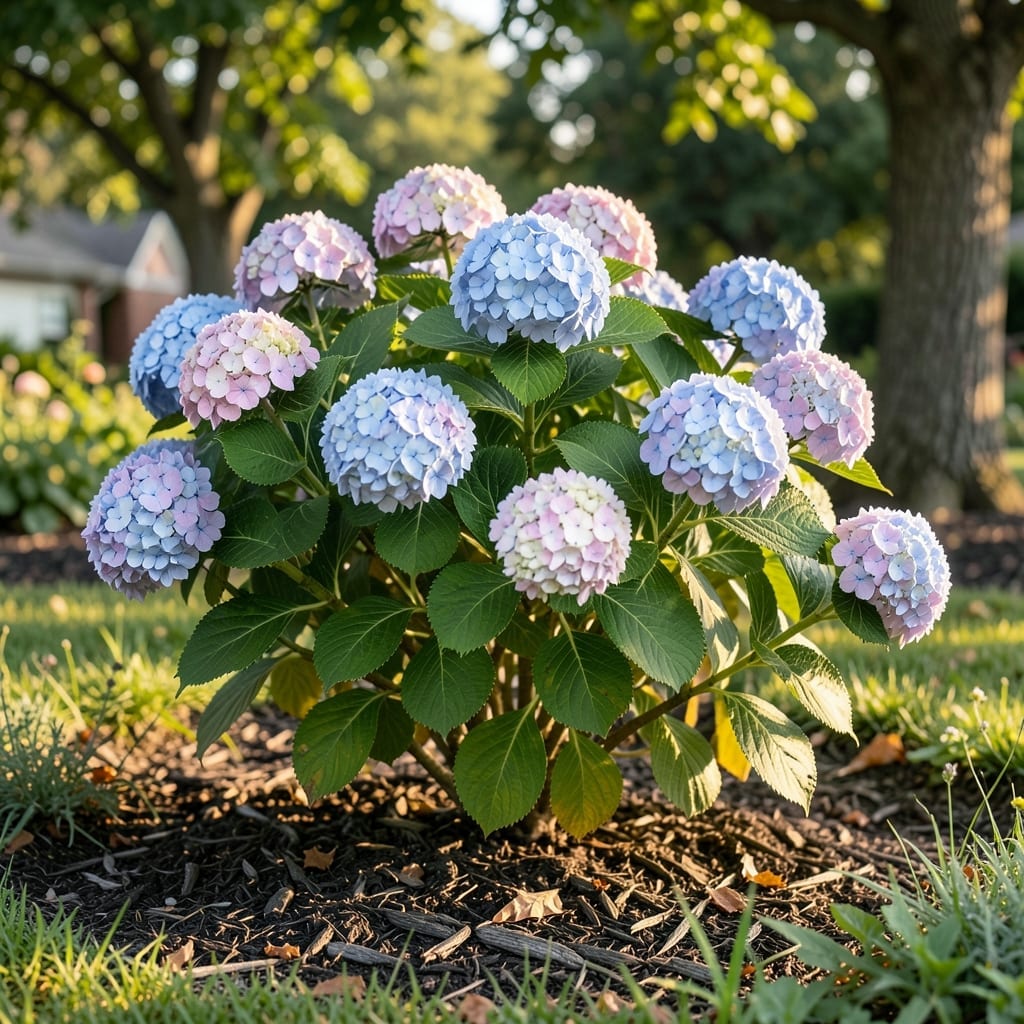
Hydrangeas are beloved for their lush blooms, but their light preferences can confuse even seasoned gardeners. The answer isn’t one-size-fits-all—it depends on the 🌸 Hydrangea variety.
Some thrive in full sun, while others prefer the cool comfort of shade. Getting this right means the difference between vibrant blooms and lackluster growth.
Discover how to match your Hydrangea’s needs to your garden’s conditions for the healthiest, most stunning display possible.
 Best Window Placement
If you’ve ever wondered do hydrangeas prefer sun or shade, the answer starts with knowing your variety. Each type has unique needs that directly impact its blooming success.
Some hydrangeas flourish in full morning sun, while others wilt under too much direct light. The right balance ensures vibrant colors and healthy growth.
| Variety | Sun Needs | Shade Tolerance |
|---|---|---|
| Bigleaf | Morning sun | High |
| Panicle | Full sun to part shade | Moderate |
| Oakleaf | Part shade | High |
| Smooth | Full sun to part shade | Moderate |
Bigleaf hydrangeas are the classic shade-lovers, thriving with just 4 hours of morning sun. They’ll scorch in hot afternoon rays, so dappled light is ideal.
Panicle hydrangeas are the sun-worshippers of the group. They handle full sun in cooler climates but appreciate afternoon shade in scorching regions.
Oakleaf varieties prefer partial shade, especially in warmer zones. Their native woodland habitat clues you into their preference for filtered light.
I’ve found smooth hydrangeas to be the most adaptable. They’ll grow in full sun with consistent moisture or in partial shade with less fuss.
In my garden, I plant bigleaf hydrangeas under tall trees where they get gentle morning light. The results are larger blooms with richer colors.
For panicle hydrangeas, I position them on the east side of my house. This gives them 6 hours of sun without the harsh afternoon heat.
Remember, even sun-loving hydrangeas need protection during heatwaves. A temporary shade cloth can prevent leaf scorch and keep blooms vibrant.
If you’re unsure, observe your garden’s light patterns. Most hydrangeas will tell you what they need—yellowing leaves often mean too much sun, while weak stems suggest insufficient light.
☀️Optimizing light for your hydrangeas isn’t just about placement—it’s about adapting to climate and seasonal changes. Even the right variety can struggle if conditions aren’t ideal.
In hotter climates, I’ve learned that even sun-loving panicle hydrangeas benefit from afternoon shade. A simple shade cloth can prevent wilting during peak heat.
Tips for Optimal Hydrangea Light:
For cooler regions, you can push the limits. My smooth hydrangeas thrive in full sun with consistent watering, producing abundant blooms all season long.
Soil moisture plays a role too. Hydrangeas in dry soil need more shade, while those in rich, moist soil can handle additional sunlight. I always mulch to retain moisture.
If your hydrangea isn’t blooming, check its light first. Too little sun often means fewer flowers, while too much can bleach the petals. Finding that sweet spot makes all the difference.
I recommend starting with 6 hours of morning sun for most varieties, then adjusting based on your plant’s response. Yellowing leaves? Dial back the sun. Weak stems? Add more light gradually.
☀️