
Beautiful Plants For Your Interior
Beautiful Plants For Your Interior
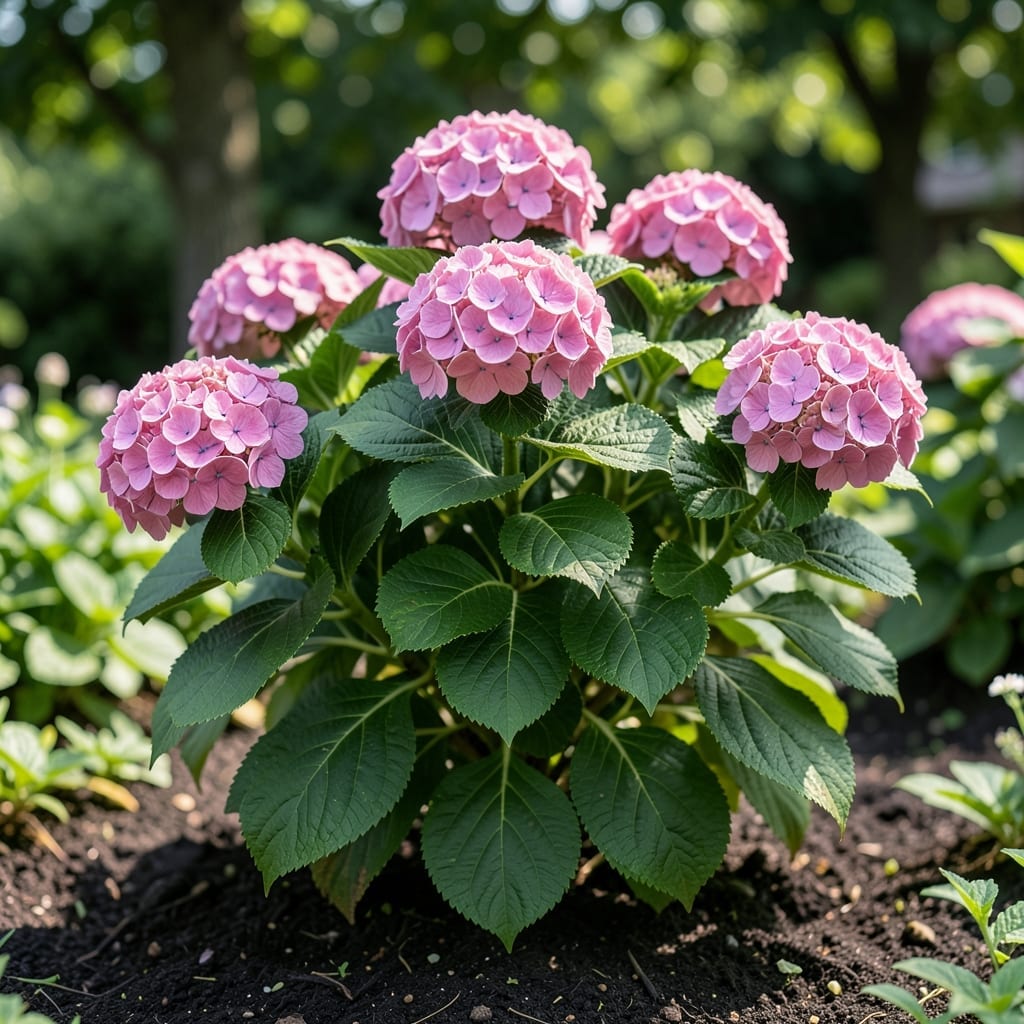
Hydrangeas can thrive in a variety of light conditions, but getting it right determines whether you’ll see lush blooms or struggling foliage. The 🌸 Hydrangea is more adaptable than you might think.
Understanding their ideal sun and shade needs is the key to vibrant, healthy growth. Too much sun can scorch leaves, while too little may leave you with weak stems and sparse flowers.
Different varieties have different preferences, and knowing these nuances will help you create the perfect environment. Whether you’re in zone 6a or a warmer climate, small adjustments can make a big difference.
Discover how to balance light exposure for your Hydrangea and watch it flourish like never before. Let’s break down what works best for your garden.

I often get asked: do hydrangeas need full sun or shade? The answer isn’t one-size-fits-all. Most hydrangeas thrive with morning sun and afternoon shade, but the ideal light depends on the variety.
For example, bigleaf hydrangeas prefer partial shade to prevent leaf scorch, while panicle hydrangeas can handle full sun if given enough water. Sunlight also affects bloom size and color intensity. 🌸
| Variety | Ideal Light | Notes |
|---|---|---|
| Bigleaf | Partial shade | Morning sun, afternoon shade |
| Panicle | Full sun to partial shade | Tolerates more sun with water |
| Oakleaf | Partial shade | Dappled light ideal |
| Smooth | Partial shade | Morning sun preferred |
Bigleaf hydrangeas are the most shade-loving. In hot climates, they’ll wilt in full sun, but in cooler areas, they can handle 4-6 hours of direct light. I’ve seen them thrive under tree canopies with filtered light.
Panicle hydrangeas are the sun-tolerant exception. They can thrive in full sun if the soil stays consistently moist. In my experience, they’re the best choice for sunny gardens where other hydrangeas struggle.
Oakleaf hydrangeas prefer partial shade but can adapt to more sun in cooler climates. Their large leaves are prone to sunburn, so afternoon shade is crucial in warmer zones.
Smooth hydrangeas are similar to bigleaf varieties. They do best with morning sun and afternoon shade, especially in USDA zones 6-9. I recommend planting them where they get 4-5 hours of gentle light daily.
Sunlight also impacts bloom color. More sun can intensify pink and red hues in some varieties, while shade often deepens blue and purple tones. This is especially true for bigleaf hydrangeas in acidic soil.
If you’re in a hot climate, even sun-loving panicles may need afternoon shade to prevent stress. I’ve found that mulching helps retain moisture in sunny spots, which is critical for all hydrangea types.
For container-grown hydrangeas, you can control light exposure more easily. Move pots to shadier spots during heatwaves. This flexibility is one reason I love growing hydrangeas in containers on my patio. 🌿
If your hydrangeas look sad, the problem might be light exposure. Too much sun can scorch leaves, while too little leads to weak blooms or leggy growth.
Watch for brown leaf edges—this often signals sunburn from harsh afternoon rays. In contrast, pale flowers and sparse foliage usually mean not enough light.
⚠️ Warning: Sunburn Ahead!
Brown, crispy leaf margins mean your hydrangea is getting too much direct sun. Move it to morning sun or dappled shade to recover.
Leggy stems with fewer flowers often indicate insufficient light. These plants stretch toward the sun, resulting in weak, sparse growth.
For panicle hydrangeas, full sun is fine, but bigleaf varieties prefer 50% shade. Adjust based on your hydrangea type and climate.
If blooms are small or pale, your plant likely needs more light. Try relocating to a spot with 4-6 hours of gentle sun daily.
Always check soil moisture too—consistent watering helps hydrangeas handle sun stress better. Mulch can also protect roots in hot areas. ☀️