
Beautiful Plants For Your Interior
Beautiful Plants For Your Interior
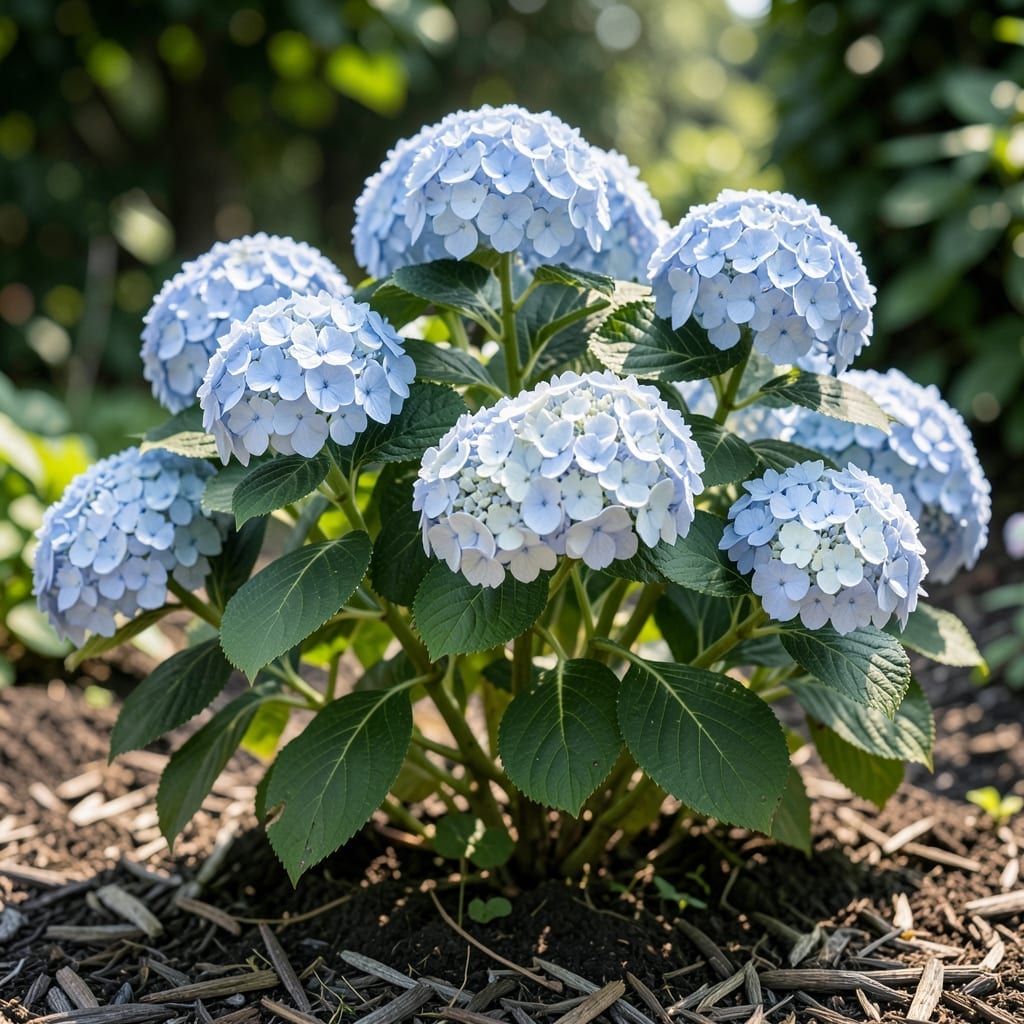
Hydrangeas are beloved for their lush blooms, but getting their light requirements right is the key to vibrant, healthy 🌸 plants. The answer isn’t one-size-fits-all—it depends on the variety.
Some hydrangeas thrive in full sun, while others prefer the cool relief of shade. This variability often leads to confusion among gardeners trying to achieve those picture-perfect blooms.
Let me break down exactly what each type of Hydrangea needs. Discover how to match your plant’s variety with its ideal light conditions for the best results.

I often get asked: do hydrangeas need full sunlight? The truth is, it varies by type. Bigleaf hydrangeas prefer partial shade, thriving with 4-6 hours of morning sun and afternoon shade.
In contrast, panicle hydrangeas are more sun-tolerant and can handle full sun in cooler climates, though they still appreciate some shade in hotter regions. Oakleaf hydrangeas fall in the middle, doing well in both partial shade and dappled sunlight.
| Variety | Ideal Sun Exposure | Shade Tolerance |
|---|---|---|
| Bigleaf | 4-6 hours morning sun | High |
| Panicle | Full sun to partial shade | Moderate |
| Oakleaf | Dappled sunlight | High |
For bigleaf hydrangeas, too much sun can scorch leaves, while panicle types may produce fewer blooms in deep shade. I always recommend observing your garden’s light patterns before planting.
Oakleaf hydrangeas are my go-to for shady spots—they’re adaptable and low-maintenance. Their white blooms contrast beautifully against darker foliage in partial shade.
In hotter climates like USDA Zone 8 or above, even sun-loving panicle hydrangeas benefit from afternoon shade. This prevents heat stress and keeps blooms vibrant longer.
For bigleaf varieties, I suggest planting near east-facing walls or under trees that provide dappled light. This mimics their natural woodland habitat.
If your hydrangea isn’t blooming, check its light exposure first. Panicle types in too much shade may produce small, sparse flowers, while bigleafs in full sun often wilt.
Pro tip: Rotate potted hydrangeas to follow the sun’s path. This ensures even growth and prevents one-sided blooming, especially for oakleaf varieties.
Remember, morning sun is gentler and less likely to cause heat stress. I’ve found this especially true for bigleaf hydrangeas in my own garden.
Adjusting light conditions can transform struggling plants into thriving ones. Start with the variety’s preferences, then tweak based on your local climate and garden layout.
With the right light, your hydrangeas will reward you with bigger blooms and healthier foliage. It’s all about finding that perfect balance for your specific type. ☀️
Even with the best intentions, hydrangeas can struggle if their light needs aren’t met. I see leaf scorch most often in bigleaf varieties exposed to harsh afternoon sun. The edges turn brown and crispy, a clear sign of too much direct light.
Another red flag is poor blooming. If your panicle hydrangea produces small, sparse flowers, it might need more sun. These types often underperform in deep shade, as they require 6+ hours of light for robust blooms.
⚠️ Warning: Yellowing leaves often indicate too much shade, especially in oakleaf hydrangeas. This variety needs some light to maintain vibrant foliage and strong stems.
Wilting in the afternoon, even with adequate water, can signal heat stress. I’ve noticed this in bigleaf hydrangeas planted in full sun during summer heatwaves. Moving them to a spot with afternoon shade usually revives them.
If your hydrangea’s flowers fade quickly, it might be getting too much sun. UV rays can bleach petals, especially in lighter varieties. A sheer shade cloth can help filter intense light during peak hours.
Stunted growth is another clue. Hydrangeas in insufficient light may grow slowly or produce weak stems. I recommend checking your garden’s light patterns with a sunlight calculator app to verify exposure.
Finally, leaf drop can occur in extreme cases. If your plant sheds leaves prematurely, it’s likely stressed by either too much or too little light. Adjust its position gradually to avoid shocking the plant.
With these signs in mind, you can troubleshoot and adjust for healthier hydrangeas next season. 🌿