
Beautiful Plants For Your Interior
Beautiful Plants For Your Interior
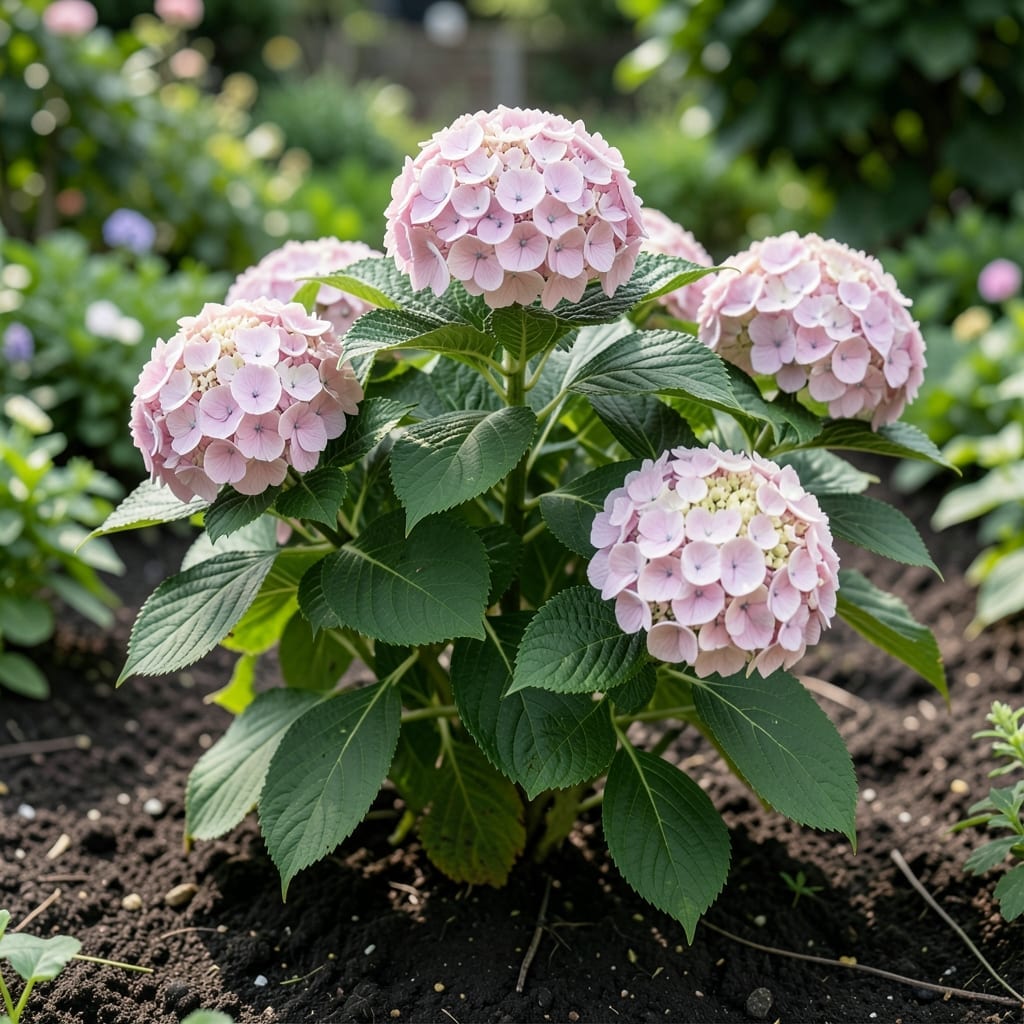
I’ve seen too many gardeners struggle with wilting 🌸 Hydrangea blooms because they assumed these shrubs need constant sunlight. The truth might surprise you – their light needs are far more nuanced than you’d expect.
Getting the balance right between sun and shade can make or break your Hydrangea’s flowering potential. What works for one variety might harm another, which is where many gardeners go wrong.
Let me share the key insights about Hydrangea light requirements that will help you create the perfect growing conditions for those stunning blooms we all love.

Many gardeners assume all Hydrangeas need full sun, but their light needs actually vary dramatically by type. What thrives in one garden might struggle in another, depending on the variety you choose.
From bigleaf Hydrangeas to panicle types, each has unique preferences for sunlight exposure. Getting this right means the difference between vibrant blooms and disappointing growth.
| Hydrangea Type | Ideal Sun Exposure | Notes |
|---|---|---|
| Bigleaf | Partial shade | Morning sun, afternoon shade |
| Panicle | Full sun to partial shade | Tolerates more sun than others |
| Oakleaf | Partial to full shade | Thrives in shady conditions |
| Smooth | Partial shade | Similar to bigleaf needs |
The bigleaf Hydrangea is the most sun-sensitive, needing just 4-6 hours of morning light. Too much afternoon sun can scorch its leaves and reduce blooming.
Panicle Hydrangeas are the sun lovers of the group, handling full sun in cooler climates. In hotter areas, they still benefit from some afternoon shade during peak summer.
Oakleaf Hydrangeas prefer the shadiest conditions, making them perfect for woodland gardens or north-facing borders. They can handle morning sun but wilt in hot afternoon light.
For smooth Hydrangeas, aim for partial shade, similar to bigleaf varieties. They’ll reward you with large, round blooms when given the right light balance.
I’ve found that east-facing locations work wonderfully for most Hydrangeas, providing gentle morning sun without the harsh afternoon rays that can stress these plants.
In hotter climates, even sun-loving varieties like panicle Hydrangeas may need dappled shade during the hottest part of the day to prevent leaf scorch and maintain vibrant blooms.
Remember that soil moisture plays a role too – Hydrangeas in sunnier spots will need more frequent watering to compensate for increased evaporation.☀️
While some sun is essential, too much direct sunlight can spell trouble for Hydrangeas. I’ve seen firsthand how excessive exposure leads to wilted leaves and brown edges, especially during heatwaves.
The most obvious sign of sun stress is leaf scorch, where edges turn crispy and brown. You might also notice fewer blooms or smaller flower heads as the plant conserves energy.
⚠️ Warning: Hydrangeas in full afternoon sun often suffer from heat stress. Look for drooping leaves even when soil is moist – a classic sign they’re getting too much light.
In my experience, bigleaf Hydrangeas show sun damage fastest. Their large leaves can’t handle intense afternoon rays, leading to premature wilting and reduced flowering the following season.
Panicle Hydrangeas are more tolerant but aren’t immune. In extreme heat, even these tougher varieties may develop bleached flowers or stunted growth if not given some relief from the sun.
The solution is simple: provide dappled shade during the hottest part of the day. A well-placed shade cloth or strategic planting near taller trees can work wonders for sun-stressed Hydrangeas.
I always recommend checking your plants in the late afternoon – if they’re still looking perky, your light balance is probably right. If they’re drooping, it’s time to adjust their exposure.☀️
Remember that newly planted Hydrangeas are especially vulnerable to sun stress as their root systems establish. Give them extra protection during their first growing season.🌱