
Beautiful Plants For Your Interior
Beautiful Plants For Your Interior
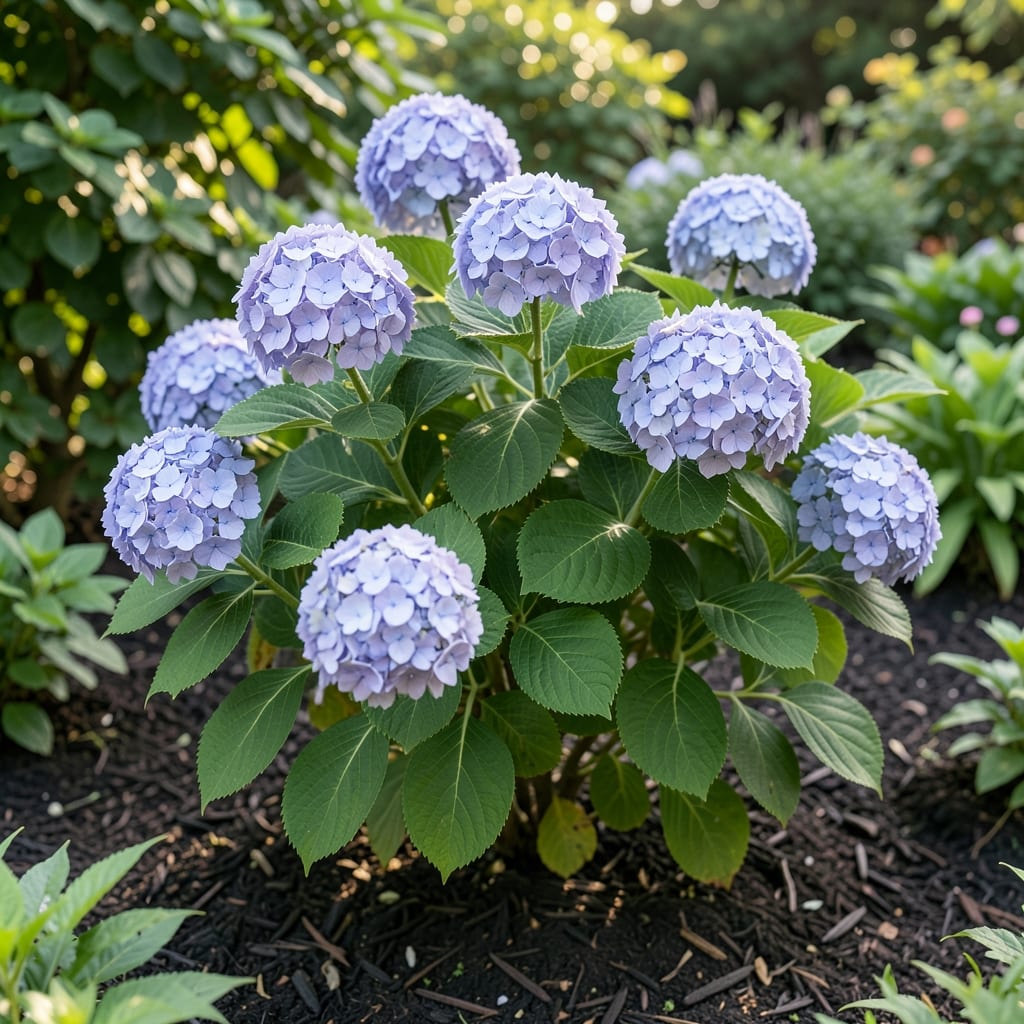
Yes, most hydrangeas are deciduous and naturally shed their leaves in winter as part of their seasonal cycle, with new growth returning in spring.
This seasonal leaf drop is a survival strategy to conserve energy during colder months when light and nutrients are scarce. I’ve noticed that even hardy varieties like bigleaf hydrangeas follow this pattern, though some evergreen types in mild climates may retain foliage year-round. 🌟
The process begins as temperatures drop and daylight decreases, triggering dormancy. You’ll typically see leaves turn yellow or brown before falling, which is completely normal.
💡 In This Article
Hydrangeas enter dormancy as a survival mechanism when temperatures drop below 50°F. This biological process conserves energy by halting photosynthesis, which is less efficient in low light and cold conditions. The plant redirects nutrients from leaves to its root system, ensuring survival until spring. 🌟
The leaf drop is triggered by hormonal changes, primarily the reduction of auxin (a growth hormone) and the increase of abscisic acid, which signals leaves to detach. Bigleaf and oakleaf hydrangeas typically shed all foliage, while evergreen varieties like Hydrangea anomala in mild climates may retain some leaves year-round.
Daylight plays a crucial role too. As days shorten in autumn, hydrangeas receive less sunlight, which slows chlorophyll production. This causes leaves to lose their green color, turning yellow or brown before falling. The process is gradual, often taking 4-6 weeks from the first color change to complete leaf drop.
This dormancy period also protects the plant from frost damage. Without leaves, hydrangeas minimize water loss through transpiration, which would otherwise stress the plant in frozen soil conditions. The bare branches you see in winter are actually a sign of a healthy, well-adapted hydrangea preparing for vigorous spring growth.
Interestingly, some varieties like panicle hydrangeas may hold their dried leaves longer into winter, creating a unique ornamental effect. However, these will eventually fall as new growth begins in spring. The timing of leaf drop can vary by 2-3 weeks depending on your climate zone and local weather patterns. ✨
Most do, but there are exceptions. Bigleaf and oakleaf varieties typically shed all foliage, while evergreen types like Hydrangea anomala in mild climates may keep some leaves year-round.
The process usually spans 4-6 weeks, starting when leaves change color. Daylight reduction and temperatures below 50°F trigger the gradual drop. Timing varies by climate and variety.
It’s not necessary. Leaving them provides natural protection, and they’ll fall on their own. Removing them too early can stress the plant. Wait until new growth appears in spring.
Panicle hydrangeas often retain dried foliage for ornamental effect. These leaves eventually fall as new growth begins in spring. This trait doesn’t harm the plant.