
Beautiful Plants For Your Interior
Beautiful Plants For Your Interior
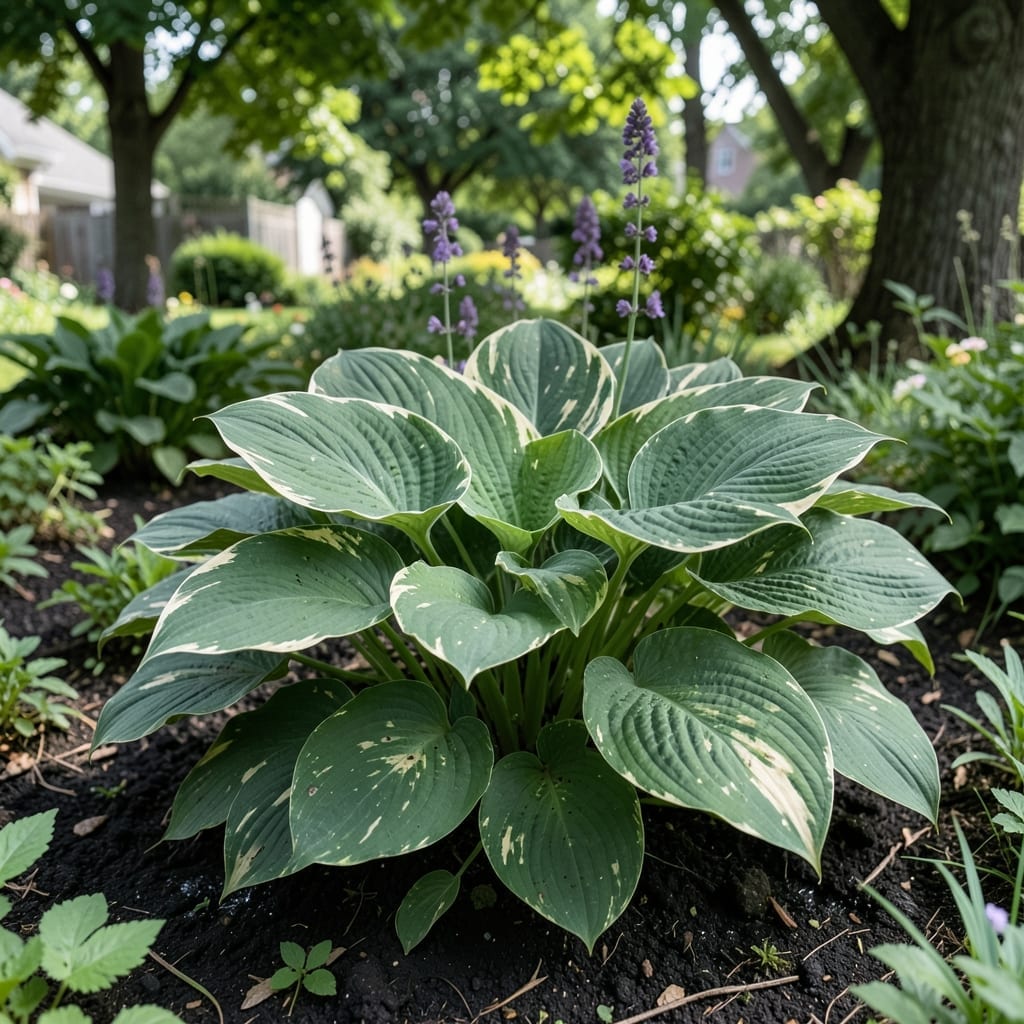
If you’ve ever watched your Hostas struggle in the afternoon sun, you’re not alone. These lush 🌿 plants have a reputation for being shade-lovers, but the truth is a bit more nuanced than that.
Getting the light balance right can transform your garden from a patch of wilted leaves to a thriving oasis. The good news? It’s easier than you might think to create the perfect environment.
Let me walk you through what these hardy perennials really need to flourish in zones 3-9. The difference the right exposure makes will surprise you.

I often get asked: do hostas need full sun to thrive? The short answer is no. These shade-loving perennials actually prefer partial to full shade to protect their delicate foliage from harsh rays.
Hostas evolved under forest canopies, so their broad leaves are adapted to filtered light. In nature, they rarely experience direct sunlight for extended periods. This is key to understanding their care.
| Requirement | Specification |
| Ideal Light | Partial shade (2-4 hours sun) |
| Maximum Sun Tolerance | Morning sun only |
| Best Window Direction | North or east-facing |
| Sunlight Percentage | 40% or less |
In my experience, hostas in full sun often develop brown leaf edges or scorched patches. This happens because their leaves can’t retain enough moisture under intense light and heat.
The thinner-leaved varieties like ‘Royal Standard’ are particularly sensitive. Their leaves have less protective wax, making them more prone to sun damage than thicker types.
However, some variegated hostas can handle a bit more light. The white or yellow portions of their leaves actually need some sunlight to maintain their vibrant colors. But even these should be limited to morning sun.
I’ve found that blue hostas like ‘Halcyon’ need the most shade. Their unique coloration comes from a waxy coating that melts in strong sunlight, causing them to lose their distinctive blue tint.
For gardeners in hotter climates (zones 7-9), afternoon shade is non-negotiable. Even in cooler zones (3-6), hostas benefit from protection during the hottest part of the day. ☀️
If you must plant hostas in sunnier spots, I recommend amending the soil with plenty of organic matter. This helps retain moisture, which is crucial for sun-exposed hostas. A 2-3 inch mulch layer also makes a big difference.
Remember, the quality of shade matters too. Dappled shade under trees is ideal, as it mimics their natural forest floor habitat. Solid shade from buildings can work but may require occasional thinning of nearby branches.
In containers, hostas need even more attention to light exposure. The soil in pots heats up faster, so I always place my potted hostas where they get morning sun only.
Not all hostas have the same light needs. In my garden, I’ve noticed that blue hostas like ‘Halcyon’ require the most shade to maintain their unique coloration. Their waxy coating melts under strong sunlight.
Variegated varieties with white or yellow edges can handle more light. The lighter portions actually need some sun to keep their vibrant colors, but I limit them to morning sun only to prevent leaf scorch.
| Variety | Light Needs |
| Blue Hostas | Full shade |
| Variegated | Partial shade (morning sun) |
| Green Hostas | Partial to full shade |
| Gold/Yellow | Partial shade (2-4 hours sun) |
For gold or yellow hostas like ‘Golden Tiara’, I find they perform best with 2-4 hours of direct sunlight. This helps maintain their bright coloration without causing damage.
I always recommend observing your plants closely. If the leaf color fades or edges turn brown, it’s likely getting too much sun. Conversely, if growth is leggy or sparse, it might need more light.
In hotter climates, even sun-tolerant varieties benefit from afternoon shade. I’ve seen south-facing locations cause problems for hostas that would thrive in eastern exposures. 🌿
Remember that soil moisture plays a role too. Hostas in sunnier spots need more frequent watering. I check the soil daily during heat waves, ensuring it stays consistently moist but not waterlogged.