
Beautiful Plants For Your Interior
Beautiful Plants For Your Interior
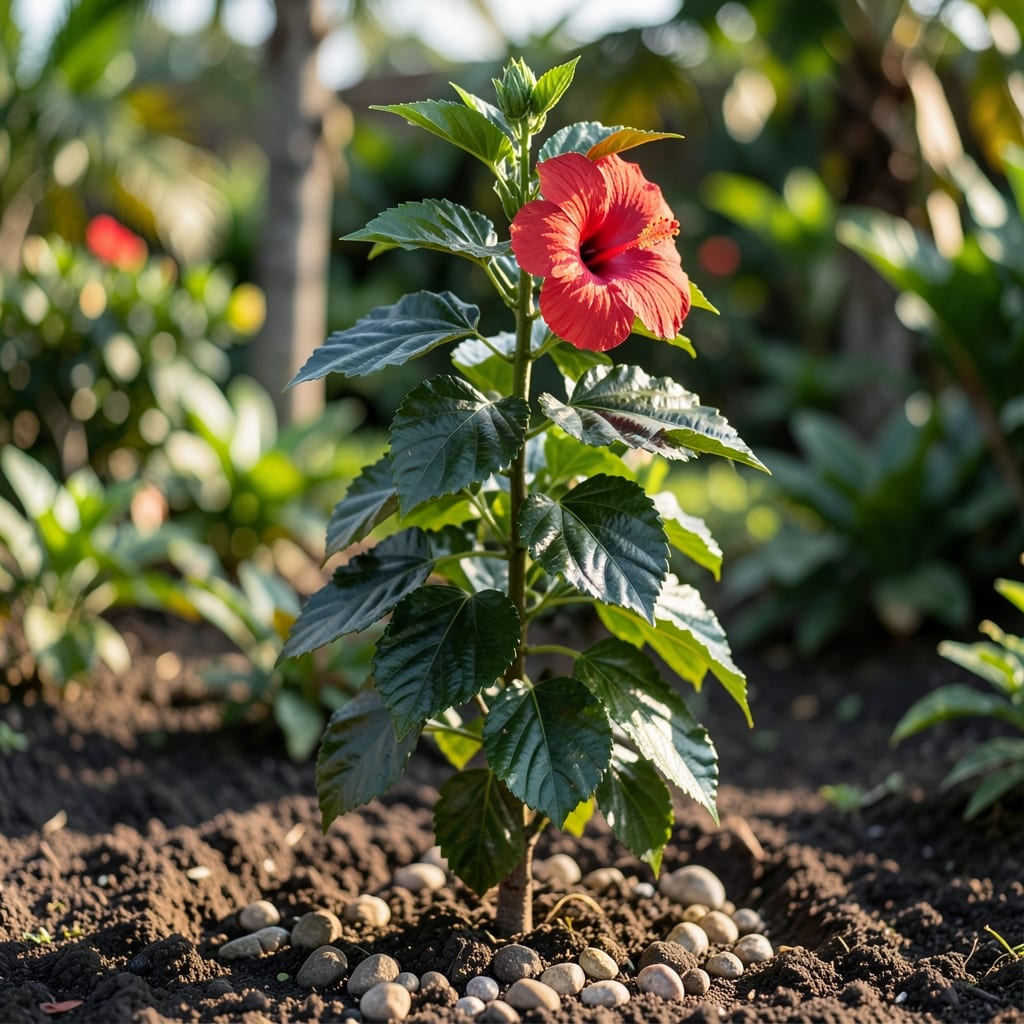
Tropical hibiscus often lose leaves in winter due to cold stress, while hardy varieties may retain foliage but go dormant. Leaf drop is normal for temperature-sensitive plants in colder climates.
I’ve noticed tropical types react dramatically when temperatures dip below 50°F, shedding leaves as a survival tactic to conserve energy. Hardy hibiscus, on the other hand, can keep their leaves longer but slow growth significantly. This seasonal change helps them endure harsh conditions without permanent damage. 🌟
💡 In This Article
Tropical hibiscus species originate from warm climates where temperatures rarely drop below 60°F. When exposed to colder conditions, their cellular processes slow dramatically. The plant detects this stress and triggers abscission—the natural process of shedding leaves—to conserve energy and water for survival. ✨
This leaf drop isn’t random. The plant prioritizes retaining its core structure over maintaining foliage. Tropical varieties like Hibiscus rosa-sinensis often lose all leaves when temperatures hit 40°F or below, while hardy types such as Hibiscus moscheutos can tolerate down to 20°F by entering dormancy. The difference lies in their genetic adaptation to temperature ranges.
🌟
The biological mechanism involves ethylene production—a plant hormone that accelerates leaf senescence. Cold stress increases ethylene levels, signaling the plant to drop leaves. This isn’t damage but a strategic survival tactic. Hardy hibiscus may keep leaves longer but still reduce metabolic activity significantly. ⚡
What’s fascinating is how quickly this process reverses. Once warm weather returns, tropical hibiscus regrow leaves within 2-3 weeks, often with more vigorous growth. The plant’s energy conservation during winter allows it to bounce back stronger. This natural cycle demonstrates the species’ remarkable adaptability. 💫
Temperature thresholds vary by cultivar. Some tropical hybrids begin leaf drop at 50°F, while others hold on until 35°F. Hardy varieties typically start dormancy at 32°F but their foliage may persist until 25°F. Understanding your specific hibiscus type helps predict its winter behavior. 🔥
Not usually! Tropical hibiscus naturally shed leaves when temperatures drop below 50°F. This is a survival response, not disease. Hardy varieties may keep leaves but slow growth significantly.
Move potted plants indoors near a sunny window with 60-75°F temps. For garden hibiscus, add 2-3 inch mulch to insulate roots. Reduce watering but don’t let soil dry completely.
Tropical hibiscus typically regrow leaves within 2-3 weeks of warmer weather. Hardy varieties may take longer but will bounce back. This is part of their natural seasonal cycle.
Hardy cultivars like Hibiscus moscheutos can tolerate down to 20°F. Their genetic adaptation allows them to delay leaf drop. Tropical types usually start shedding at 40°F or below.