
Beautiful Plants For Your Interior
Beautiful Plants For Your Interior
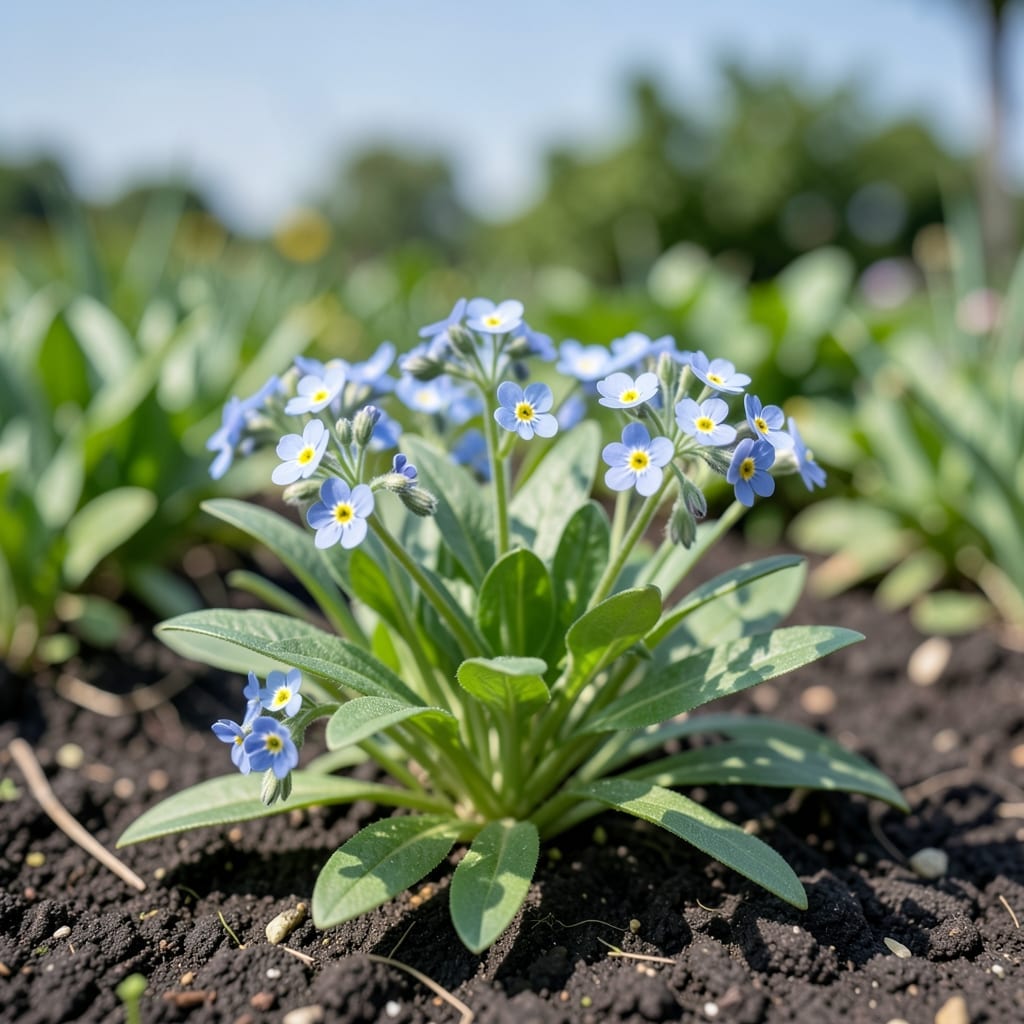
Forget-me-nots 💙 are adored for their delicate blue blooms, yet many gardeners struggle with their light needs. Getting this wrong can mean the difference between thriving plants and a lackluster display.
I’ve seen too many gardens where these charming perennials fail to flourish simply because their sunlight conditions weren’t ideal. The good news? Forget-Me-Nots are more forgiving than you might think.
What if I told you these beauties don’t always need full sun to shine? In fact, their preferences might surprise you. Let’s clear up the confusion once and for all.
By the end, you’ll know exactly how to position your Forget-Me-Nots for vibrant, long-lasting blooms—no guesswork required.

If you’re wondering do forget me nots need full sun, the answer is no. These delicate perennial flowers actually thrive in partial shade, making them a great choice for gardens with dappled sunlight.
Forget-me-nots prefer 4-6 hours of sunlight daily, ideally in the morning to early afternoon. This balanced light exposure helps them produce their signature blue blooms without the stress of harsh afternoon sun.
| Requirement | Specification |
|---|---|
| Ideal Light | Partial Shade |
| Sun Hours | 4-6 hours daily |
| Best Window | East/West-Facing |
| Light Type | Filtered Sunlight |
| Climate Tolerance | Full sun in cooler areas |
In cooler climates, forget-me-nots can handle full sun without issue. However, in hotter regions, too much direct sunlight can scorch their leaves and reduce flowering.
I’ve found that planting them under taller perennials or near deciduous trees provides the perfect balance. The light shade from these companions protects them during the hottest part of the day.
Forget-me-nots also do well in containers placed on east-facing patios. This gives them gentle morning sun and afternoon shade, which mimics their ideal natural conditions.
If you notice wilting leaves or faded blooms, it might be a sign of too much sun. In this case, consider moving them to a shadier spot or providing temporary shade cloth.
On the other hand, too little light can result in leggy growth and fewer flowers. If your forget-me-nots aren’t blooming as expected, try relocating them to a brighter area.
Remember, these plants are adaptable and can grow in a range of conditions. But for the best results, aim for that sweet spot of partial shade with some direct sunlight.
By understanding their light needs, you’ll be rewarded with a vibrant display of blue, pink, or white flowers that will brighten your garden from spring to early summer. ☀️
Forget-me-nots thrive in partial shade but can handle full sun in cooler climates. I’ve found they do best with 4-6 hours of morning sunlight and afternoon shade, especially in warmer regions. This balance prevents leaf scorch while promoting vibrant blooms.
In my garden, I plant them under taller perennials or near east-facing walls to filter harsh afternoon rays. This setup mimics their natural woodland habitat and keeps the soil moist longer. It’s a simple trick that works wonders. ☀️
If you’re in USDA zones 7-9, afternoon shade is non-negotiable. I learned this the hard way when my first batch wilted under intense summer sun. Now, I use shade cloth or strategically place them near trees for natural protection.
For container gardening, I recommend east-facing balconies or patios with filtered light. This gives them enough sun to bloom without the risk of overheating. Just
Don’t forget that soil moisture and light go hand in hand. In full sun, these plants need consistent watering. In shade, they’ll tolerate slightly drier conditions but bloom less abundantly. 🌱
Finally, I’ve noticed forget-me-nots self-seed more reliably in partial shade. If you want them to naturalize, give them a spot with gentle morning light and protection from harsh conditions. It’s the perfect recipe for years of enjoyment.