
Beautiful Plants For Your Interior
Beautiful Plants For Your Interior
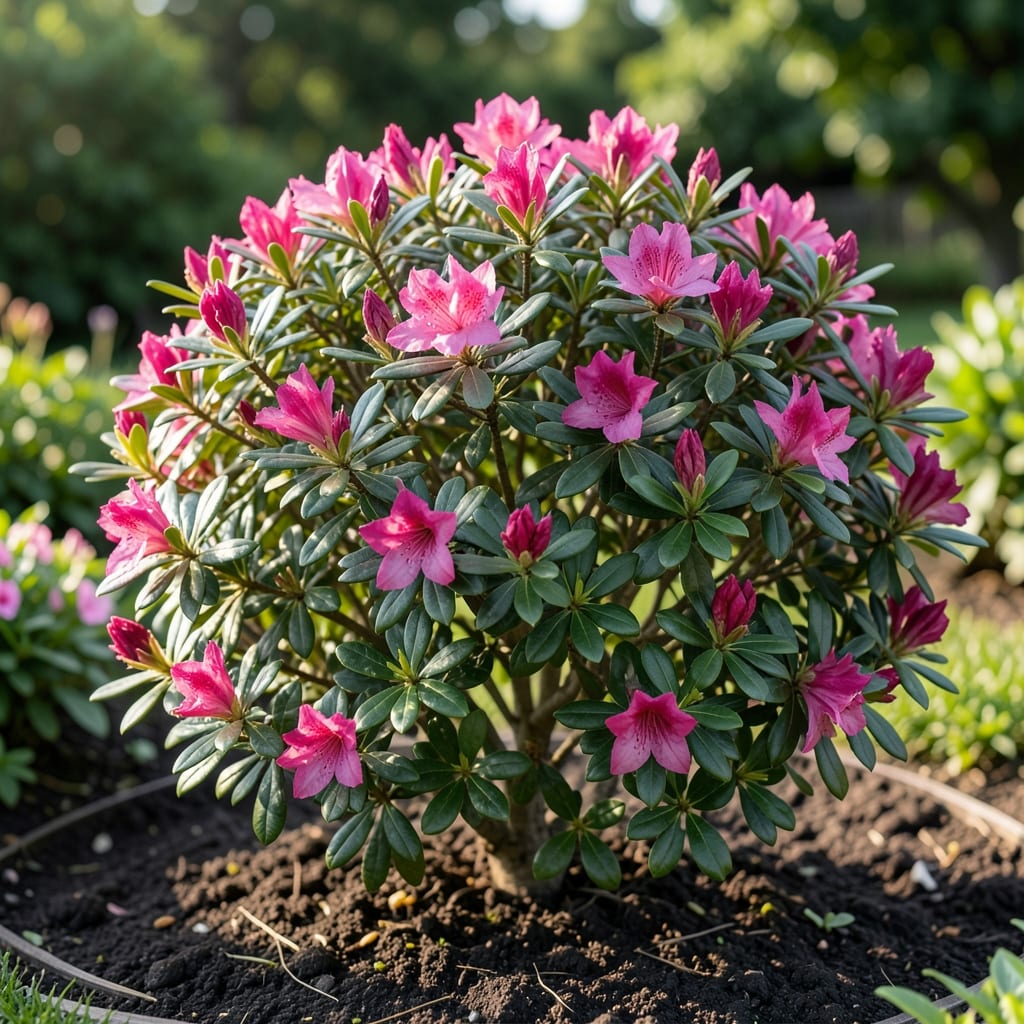
Encore azaleas are evergreen and retain most leaves year-round, but they may shed some foliage in winter due to cold stress, wind, or drought conditions.
I’ve noticed these plants handle cold better than many shrubs, but extreme temperature swings can still take a toll. Wind exposure often accelerates leaf loss, as it dries out the foliage faster than the roots can replenish moisture. Proper winter care makes all the difference in maintaining their lush appearance year-round. 🌟
💡 In This Article
Encore azaleas are classified as evergreen, but their leaves aren’t invincible against winter’s harsh conditions. The primary culprit is cold stress—when temperatures dip below 10°F (-12°C), the plant’s cellular structure can be damaged, leading to leaf desiccation and eventual drop. This is especially true for younger plants or those in exposed locations. 🔥
The physiological process starts with water movement. In freezing conditions, roots can’t absorb moisture efficiently, while winds accelerate transpiration. This creates a water deficit in leaves, causing them to brown and fall. I’ve seen this happen particularly with north-facing plantings that get less winter sun.
The leaves may appear healthy one day and crisp the next. ✨
Drought stress compounds the problem. Even in winter, azaleas need consistent moisture. When the ground freezes or rainfall is scarce, the plant can’t replace lost water. This is why winter drought is often more damaging than summer drought—the symptoms are less obvious but just as severe.
A 2-3 inch mulch layer helps insulate roots and retain soil moisture. 💫
Wind exposure is another critical factor. Cold, dry winds can strip moisture from leaves faster than the plant can compensate. This is particularly problematic in open landscapes or near buildings that create wind tunnels. The result is often marginal leaf burn, where edges turn brown while the center remains green.
This pattern is a telltale sign of environmental stress rather than disease. ⚡
Seasonal adaptation plays a role too. While Encore azaleas don’t go fully dormant like deciduous plants, they do slow their metabolism in winter. This reduced activity means they’re less able to repair damage or replace lost leaves until spring. The good news is that healthy plants typically regrow foliage once temperatures rise above 40°F (4°C).
🌟
Minor leaf drop is typical, especially in harsh winters. Healthy plants may lose 10-20% of foliage. If more than 30% falls, it likely indicates stress from cold, wind, or drought.
Yes! Once temperatures rise above 40°F (4°C), new growth typically appears within 4-6 weeks. Proper winter care ensures a full, lush recovery by early summer.
Use 3-4 inches of organic mulch like pine bark or shredded leaves. Keep it 2 inches from the trunk to prevent rot. This insulates roots and retains moisture.
Yes, anti-desiccants create a protective barrier that reduces moisture loss. Apply in late fall and reapply after heavy rain. Works best for exposed plants in windy areas.
Brown edges or crispy texture signal water stress from cold or wind. This is different from disease—it’s the plant’s response to harsh conditions. Healthy roots mean recovery is likely.