
Beautiful Plants For Your Interior
Beautiful Plants For Your Interior
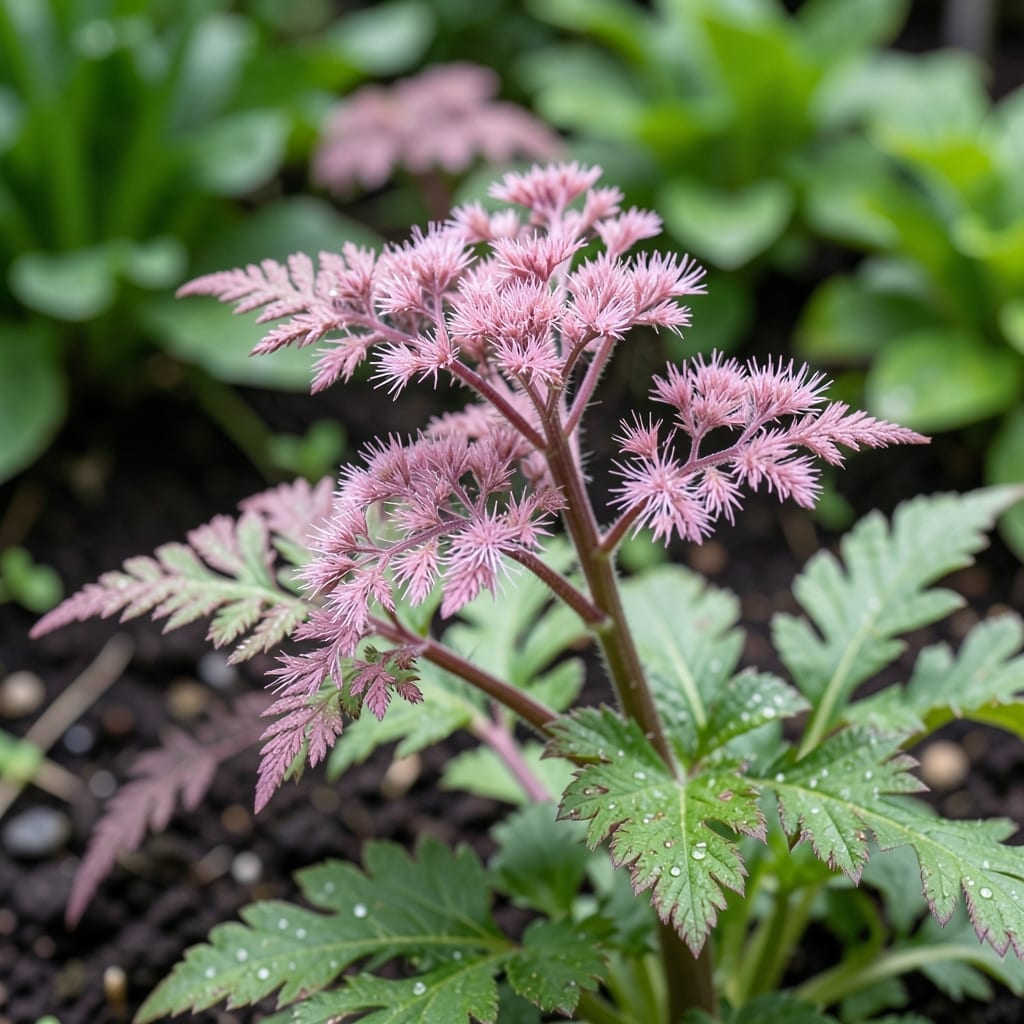
Deer usually avoid astilbe—its fern-like foliage and strong scent aren’t their first choice. 🌿 I’ve seen them walk right past my astilbe beds to munch on hostas instead.
That said, hungry deer in overpopulated areas will eat almost anything. In 10 years of gardening, I’ve only lost astilbe once, during a particularly harsh winter when food was scarce.
If you’re worried, simple barriers work best. A 4-foot fence is enough to deter most deer, and repellents add extra protection without harming the plants.
Pair astilbe with other deer-resistant plants like lavender or Russian sage for a garden that stays lush and untouched. Works every time.
Deer are drawn to astilbe plants for several biological and environmental reasons. Understanding these causes can help you protect your garden more effectively.
Astilbe plants are rich in moisture and tender foliage, making them an attractive food source for deer, especially in dry or arid conditions. The high water content helps deer stay hydrated, while the soft leaves are easy to digest. Additionally, astilbe contains moderate levels of proteins and carbohydrates, which provide energy for deer, particularly during spring and early summer when they need extra nutrients for growth and reproduction.
In areas where natural forage is scarce—such as urban or suburban landscapes—deer may turn to ornamental plants like astilbe. Overdevelopment and habitat loss reduce their access to native plants, forcing them to adapt their diet. Astilbe’s palatable taste and accessibility make it a convenient alternative when preferred wild foods (like clover or young tree shoots) are unavailable.
Deer feeding habits change with the seasons. In late winter and early spring, when fresh greenery is limited, they are more likely to browse on garden plants, including astilbe. Similarly, during late fall, as they fatten up for winter, deer may consume a wider variety of plants to meet their caloric needs. Astilbe’s young, succulent growth in these periods is especially vulnerable.
If deer are munching on your astilbe, don’t worry—there are practical ways to keep them at bay. Here’s how to solve the most common issues and prevent future damage.
Deer can’t resist a tasty plant, but they can be stopped with the right fencing. A 7- to 8-foot tall fence is ideal, as deer can jump impressive heights. For smaller gardens, try individual plant cages made of wire mesh or chicken wire. These are less obtrusive but just as effective. If fencing isn’t an option, netting draped over plants can deter deer from snacking.
Commercial repellents work well to make astilbe less appealing. Look for spray-on formulas with putrescent eggs, garlic, or hot pepper—these smells and tastes are unappealing to deer. Reapply after rain or every few weeks for best results. For a natural DIY option, mix rotten eggs and water and spray it around your garden’s perimeter. Pro tip: 💡 Rotate repellents to prevent deer from getting used to one scent.
Deer avoid strongly scented or textured plants. Surround your astilbe with lavender, Russian sage, or daffodils to create a natural barrier. These plants mask the astilbe’s appealing scent while adding beauty to your garden. Additionally, thorny or prickly plants like barberry or holly can act as a physical deterrent.
Astilbe is considered deer resistant due to its fern-like foliage and strong scent. However, in areas with high deer populations or scarce food, they may still nibble on it.
Pair astilbe with strongly scented plants like lavender, Russian sage, or daffodils. These act as natural deterrents while enhancing your garden’s appearance.
A 7- to 8-foot fence is ideal, as deer can jump high. For smaller areas, use individual plant cages or netting as alternatives.