
Beautiful Plants For Your Interior
Beautiful Plants For Your Interior
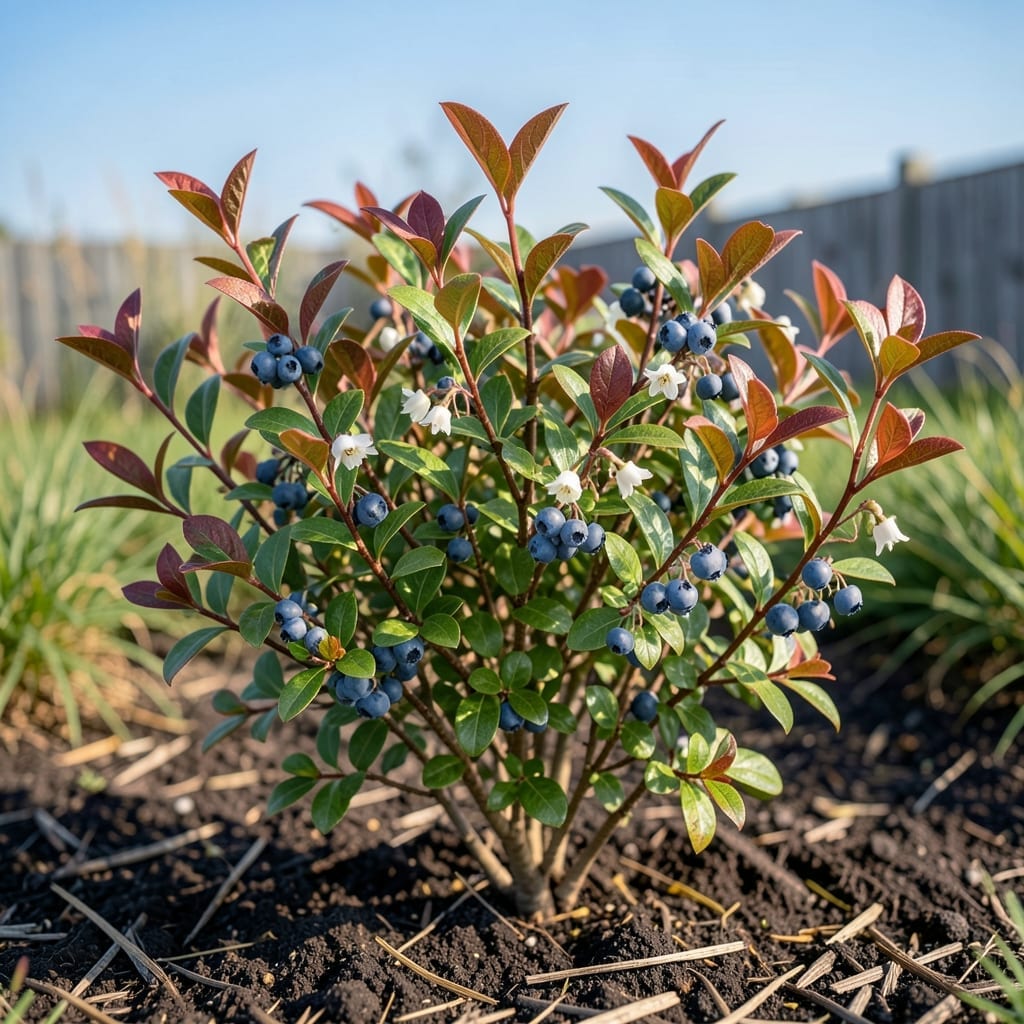
Yes, most blueberry bushes are deciduous and naturally shed their leaves in winter to conserve energy, entering dormancy until spring regrowth begins.
This seasonal leaf drop is a survival strategy, allowing the plant to redirect resources to its roots during harsh conditions. I’ve noticed deciduous varieties like highbush and lowbush blueberries follow this pattern religiously, while evergreen types in warmer climates may retain foliage year-round. 🔥 The dormancy period also helps the bush prepare for robust fruit production when temperatures rise again.
💡 In This Article
Blueberry bushes trigger leaf drop as temperatures dip below 50°F, activating a hormonal cascade. The plant produces abscisic acid, signaling leaves to form a separation layer at the stem. This process, called abscission, severs the leaf from its vascular connection, conserving water and nutrients for the plant’s core survival. 🔥
The energy savings are substantial. Without leaves, the bush reduces water loss through transpiration by up to 90%. This is critical because frozen soil prevents root water uptake. Deciduous varieties like Highbush and Rabbiteye blueberries rely on this strategy, while evergreen types in USDA zones 8-10 may retain foliage due to milder winters. ✨
Dormancy also protects the plant from cold damage. The bush shifts its energy to strengthening cell walls in stems and roots, which can withstand temperatures as low as -20°F. Without this adaptation, the plant would risk cellular freezing and death. The leafless state acts like a natural insulation system. 🌟
You’ll notice the leaves change color first—red, purple, or bronze—due to chlorophyll breakdown. This reveals hidden pigments like anthocyanins, which act as natural sunscreens. The vibrant display isn’t just beautiful; it’s the plant’s way of harvesting remaining nutrients from the leaves before shedding them. ⚡
This cycle typically begins in late fall and completes by early winter. In my experience, bushes in colder climates (zones 3-6) shed leaves more aggressively, while those in transitional zones may hold onto foliage longer. The timing aligns perfectly with the plant’s need to enter full dormancy before the harshest winter conditions arrive. 💫
Chlorophyll breaks down as temperatures drop, revealing hidden pigments like anthocyanins. This creates the red, purple, or bronze hues you see in fall.
Most deciduous types like Highbush and Rabbiteye do, but evergreen varieties in warmer zones 8-10 may retain foliage year-round.
New growth typically emerges in early spring as temperatures rise above 50°F. This signals the end of dormancy and the start of the growing season.
No, it’s a natural part of the annual cycle for deciduous types. However, if leaves drop outside of fall/winter, it may indicate stress or disease.
Check for bare branches and firm, healthy stems. Dormant bushes won’t have new growth or open buds until spring arrives.